Best GPS Tracking Devices for Vehicles: 2026 Guide
Quick answer: The best GPS tracker for vehicles in India is the one matched to your power source, tamper risk, and reporting needs—usually a 4G wired unit for commercial fleets, OBD for fast pilots, or battery trackers for assets. Prioritize reliable connectivity, geofencing, audit-ready history, and support during rollout.
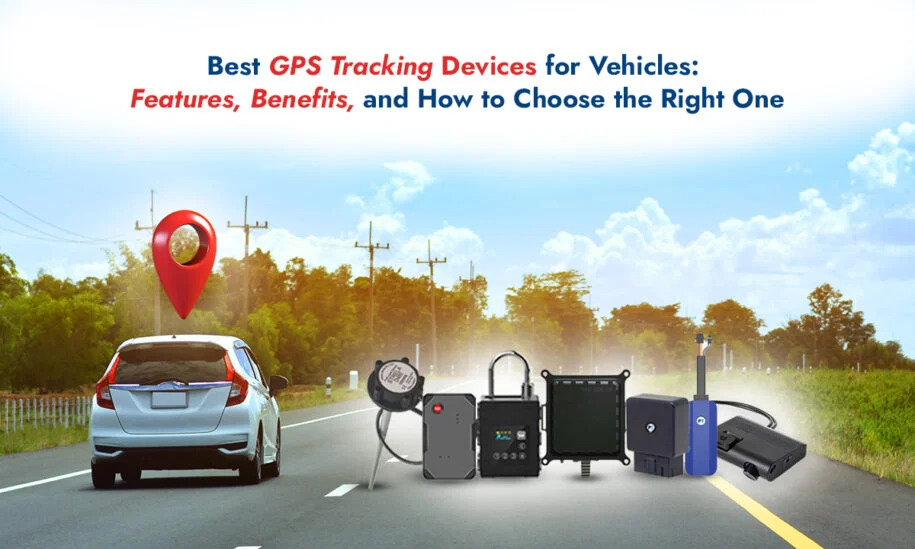
GPS tracking devices have become indispensable for fleet operators, logistics companies, and vehicle owners seeking security, efficiency, and visibility. In 2026, the best GPS tracking devices for vehicles offer real-time location updates, fuel monitoring, driver behavior insights, geofencing, and seamless integration with fleet management software.
This guide covers why GPS tracking matters, key features to look for, factors to consider when choosing a device, methodology, and a comparison of top Pictor Telematics solutions for Indian businesses and personal use.
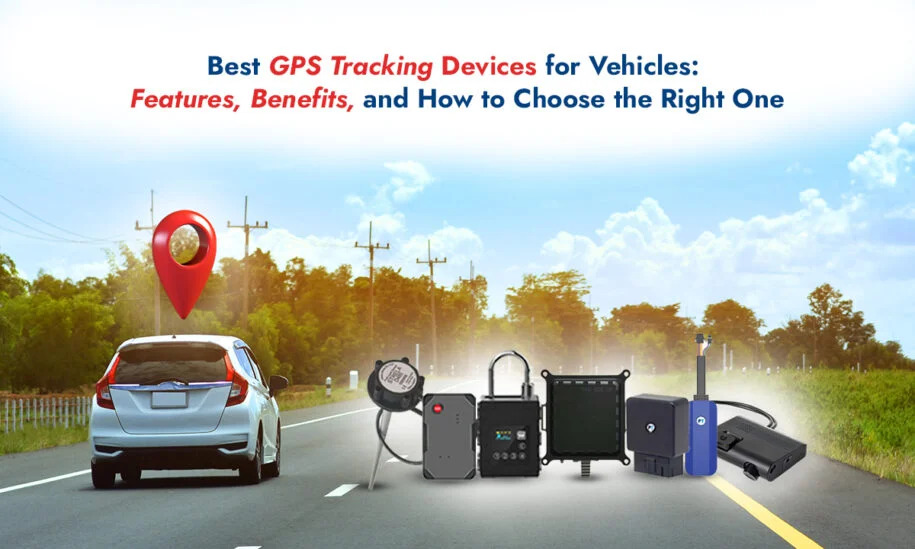
Modern GPS tracking devices offer real-time visibility and fleet management
Importance of Using GPS Tracking Devices
GPS tracking devices deliver measurable benefits across multiple dimensions. Fleet operators report 15–25% fuel savings from reduced idling, optimized routes, and theft prevention. Theft recovery rates improve dramatically—vehicles equipped with GPS are often recovered within hours. Driver behavior monitoring reduces accidents and insurance costs. Real-time ETAs improve customer satisfaction and operational efficiency.
For personal vehicle owners, GPS trackers offer peace of mind, theft protection, and usage insights. Parents can monitor teen drivers; businesses can track company vehicles and ensure policy compliance.
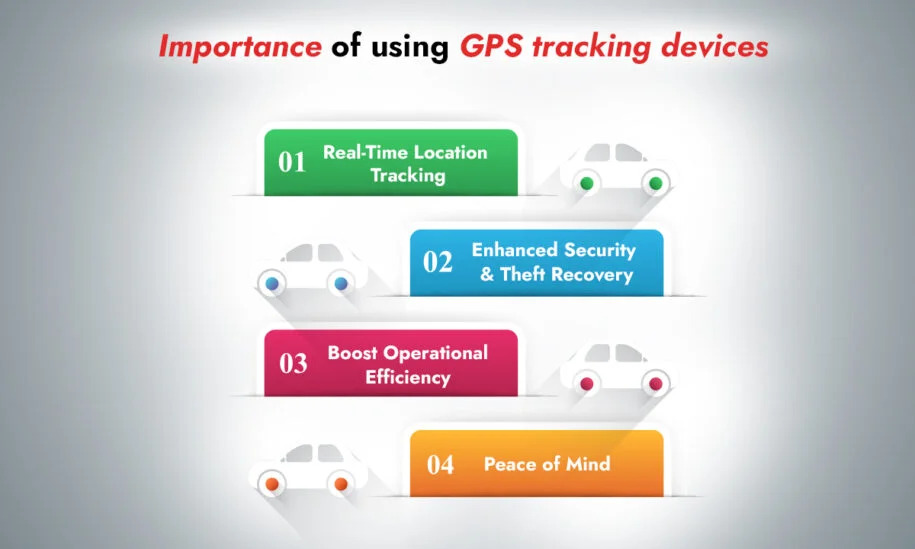
GPS tracking drives fuel savings, safety, and operational efficiency
Key Features to Look for in GPS Tracking Devices
When evaluating GPS tracking devices, prioritize these features:
1. Real-Time Location & Updates
Frequent position updates (every 10–60 seconds) enable accurate tracking and geofencing. 4G connectivity ensures reliability in urban and remote areas.
2. Fuel Monitoring
Integration with fuel level sensors helps detect theft, monitor consumption, and identify inefficient driving patterns.
3. Tamper & Power Alerts
Tamper detection and power-loss notifications protect against device removal and ensure continuous tracking.
4. Driver Behavior Monitoring
Harsh braking, acceleration, speeding, and idling alerts help improve safety and reduce costs.
5. Geofencing
Virtual boundaries trigger alerts when vehicles enter or leave designated zones—essential for route compliance and security.
6. Cloud Dashboard & Reports
Web and mobile access to live maps, trip history, and customizable reports simplify fleet management.
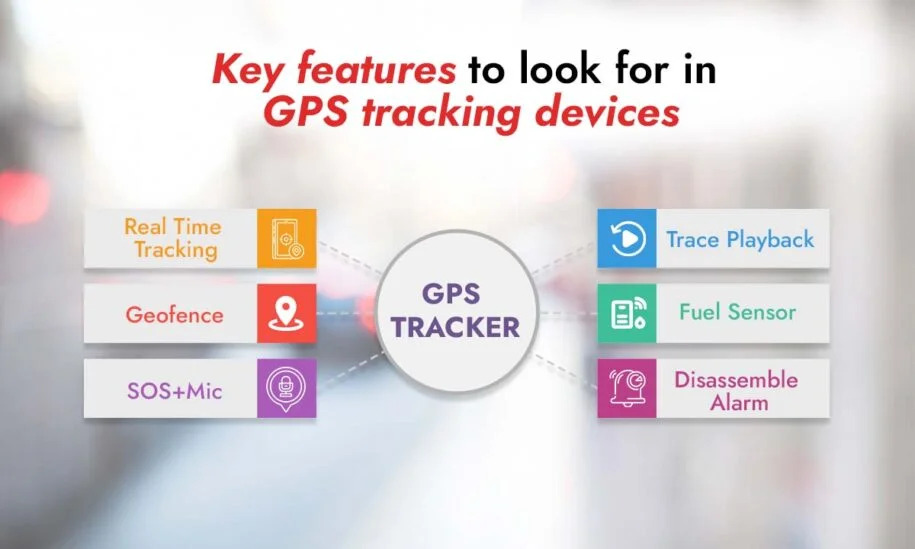
Essential GPS tracker features for 2025
Factors to Consider When Choosing a GPS Tracking Device
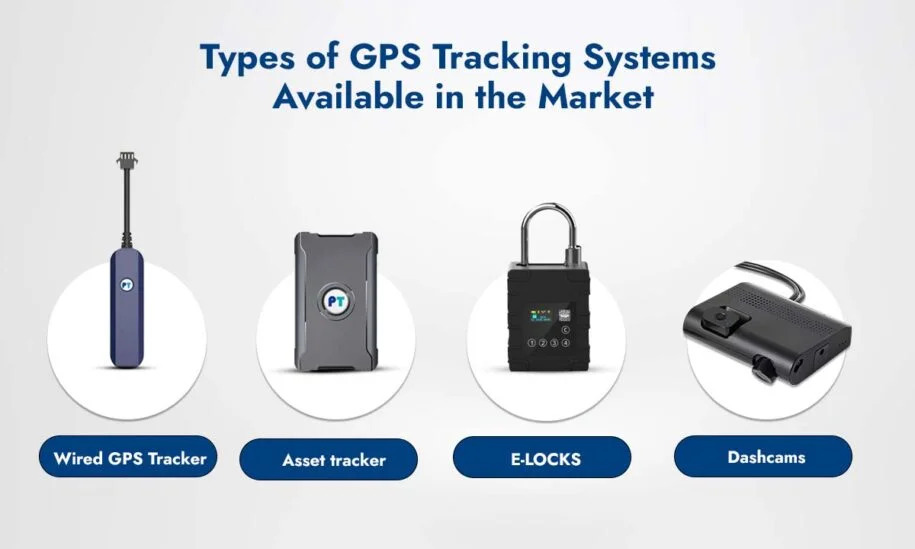
Vehicle type, installation preference (OBD-II, hardwired, battery), fleet size, integration requirements, and budget all influence device selection. OBD plug-and-play units are easy to install but can be removed; hardwired devices offer greater security. Consider whether you need dashcam integration, fuel monitoring, or driver identification.
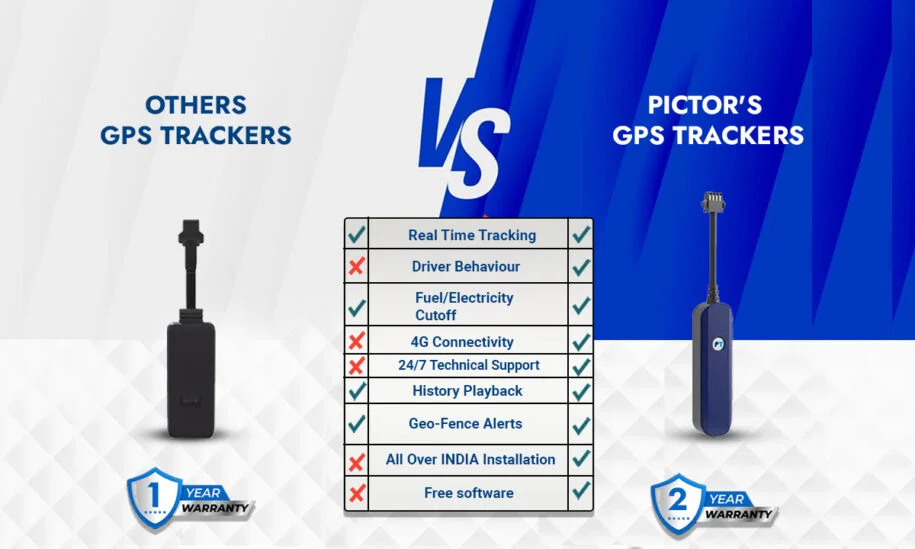
Decision factors for GPS device selection
How we evaluated GPS trackers for this guide
This roundup is written for fleet managers, transport heads, and owners comparing devices for Indian road and power conditions—not lab benchmarks alone. We weighted:
- Connectivity reliability — 4G coverage behaviour on linehaul and urban routes.
- Install fitment — wired vs OBD vs battery trade-offs for tamper risk and downtime.
- Operational alerts — geofence, overspeed, idle, power-loss, and immobilizer workflows.
- Reporting depth — trip playback, exports, and integration readiness (API/TMS).
- Support model — install coordination, warranty handling, and training for dispatch teams.
Commercial pricing varies by fleet size and module mix; this article avoids hard price claims and focuses on fitment and outcomes.
Comparison of Top GPS Tracking Devices – Pictor Telematics Solutions
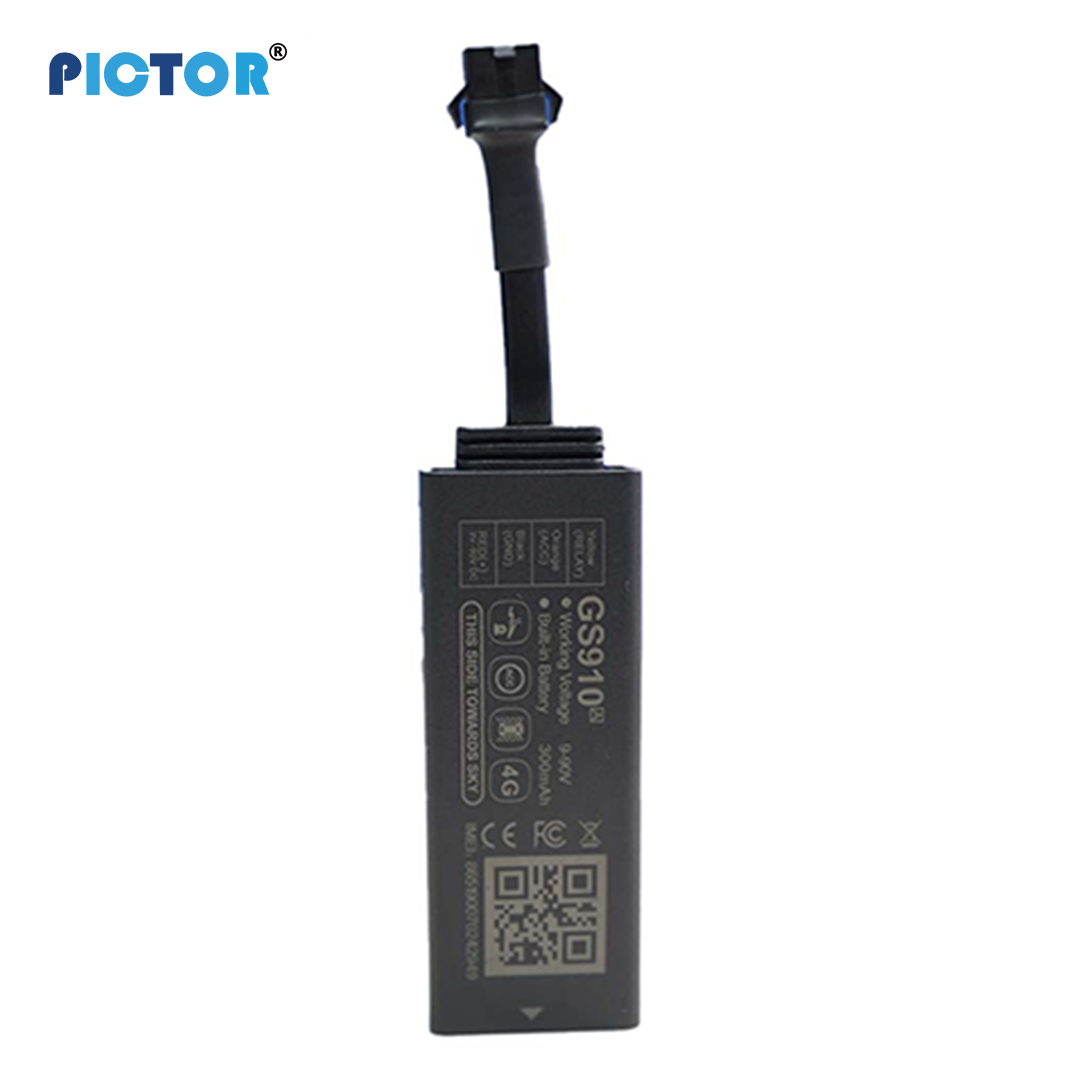
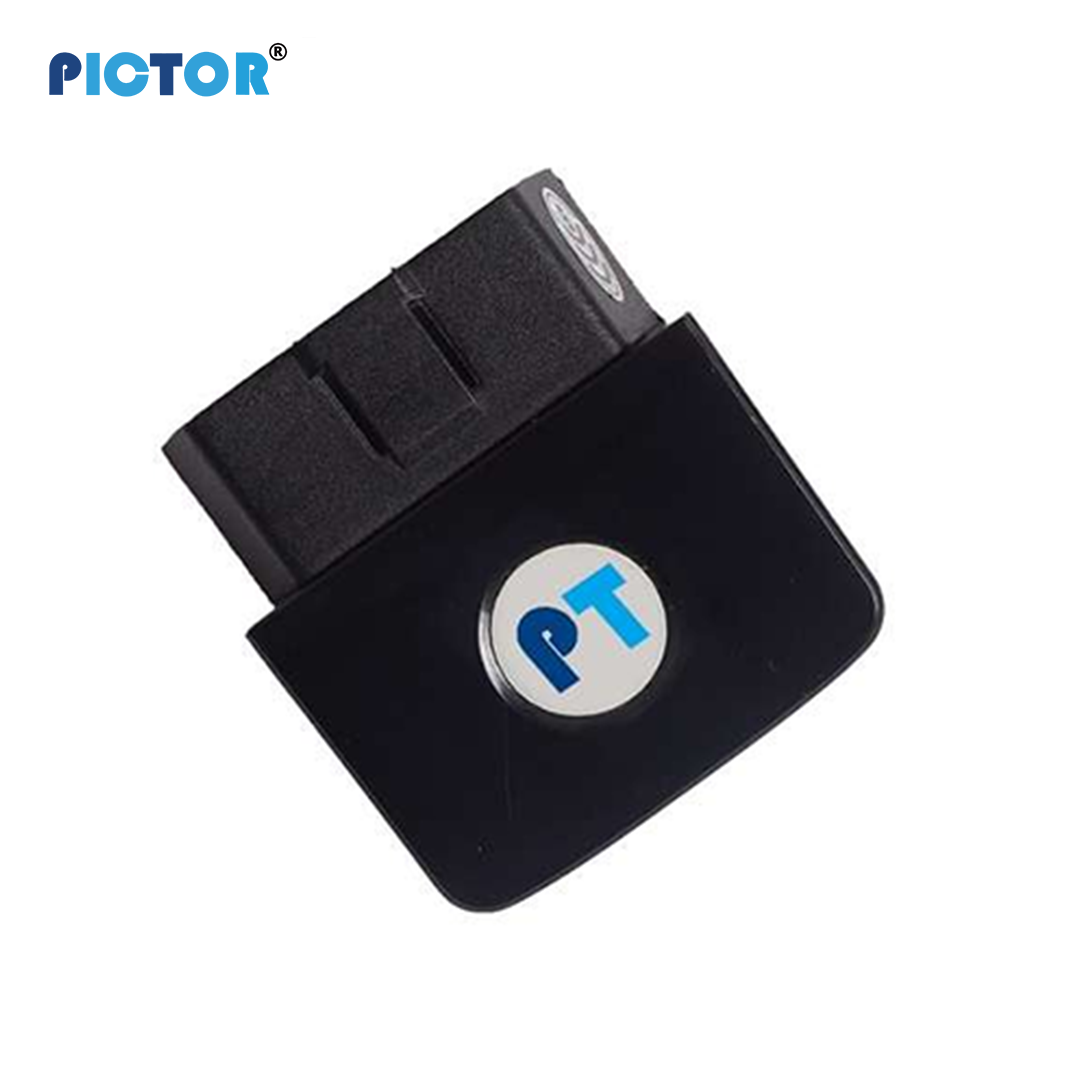
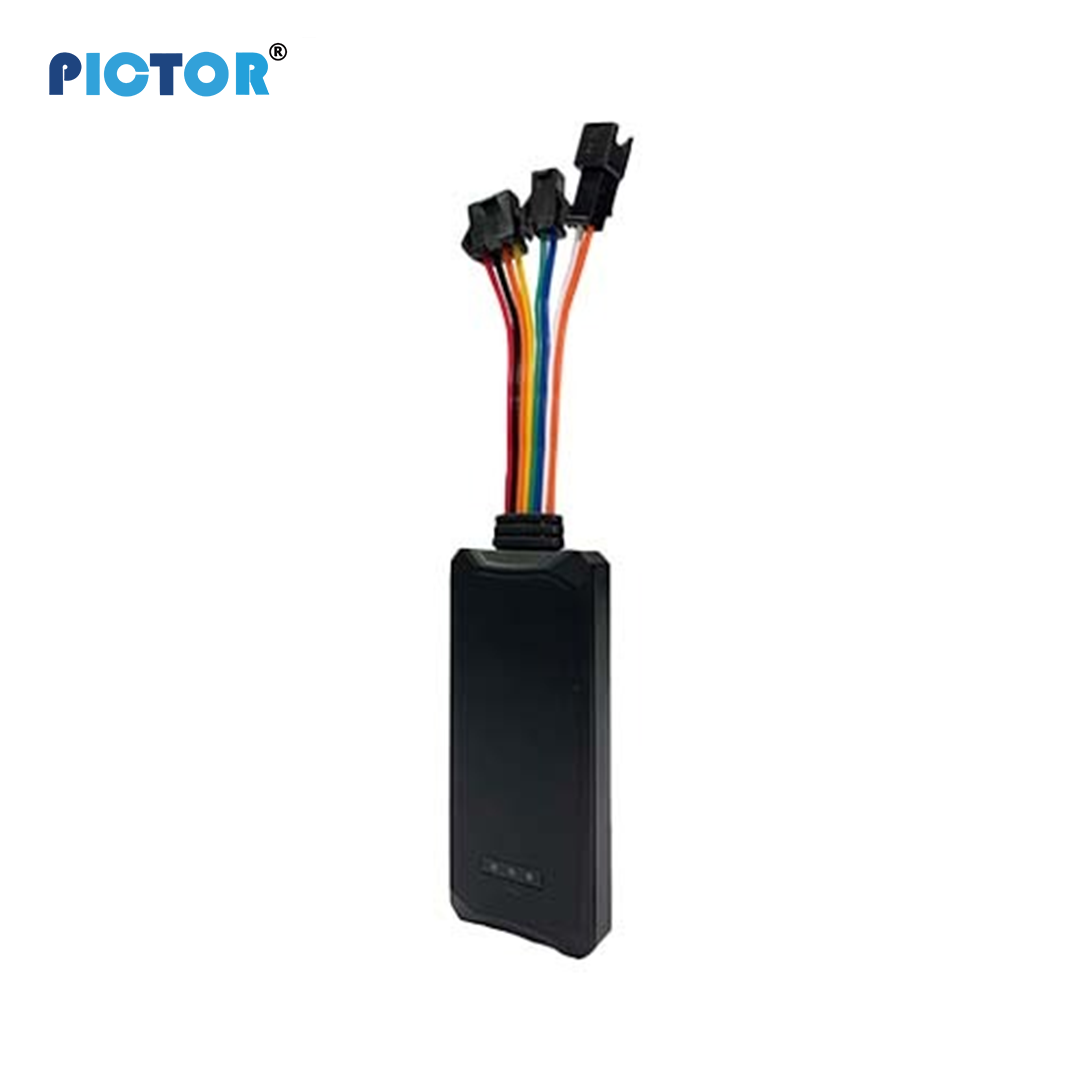
Pictor Telematics offers a range of GPS trackers from compact OBD devices to enterprise-grade hardwired units with fuel and dashcam integration. Deployments span logistics, schools, corporate pools, and asset security across India—with platform support since commercial telematics operations began in 2014.
See also: wired vs OBD comparison and vehicle tracking solution.
Compare Pictor Telematics GPS tracking solutions
Frequently asked questions What is the best GPS tracker for vehicles in India?
For most commercial fleets, a 4G wired tracker with geofencing, trip playback, and immobilizer options provides the best balance of security and reporting. OBD devices suit quick pilots; battery trackers suit assets without permanent power.
Is OBD GPS enough for trucks?
OBD can work for some truck pilots, but wired installs are preferred when tamper resistance, immobilizer control, and stable power matter on long-haul duty cycles.
Do I need AIS-140 hardware for every vehicle?
No. AIS-140 applies to specific permit and vehicle classes. Validate with compliance advisors before specifying AIS-140-capable models.
How often should location update?
Many fleets use 10–60 second intervals for dispatch. Higher frequency improves map smoothness but increases data usage—tune per route type.
Can GPS data integrate with TMS or ERP?
Yes, when your stack supports REST APIs or webhooks. Define event types, ownership, and exception handling during technical discovery.
What is the difference between GPS tracking and fleet management software?
GPS tracking focuses on location and events. Fleet management adds fuel, driver scoring, maintenance, roles, and cross-module reporting on one platform.
Are fuel sensors required with GPS?
Not always. Add fuel monitoring when theft, variance, or cost-per-km KPIs justify sensor install and calibration—not by default on every vehicle.
How long does fleet rollout take?
Pilots often go live within 1–3 weeks after install. Enterprise integrations may extend timelines depending on TMS/ERP mapping.
Conclusion
The best GPS tracking devices for vehicles in 2026 combine reliability, feature richness, and ease of use. Whether you manage a fleet or protect a single vehicle, the right GPS tracker delivers visibility, security, and measurable cost savings. Contact Pictor Telematics for a consultation and demo tailored to your vehicle mix.
Related Images
Ready to upgrade your fleet?
Get a consultation focused on your current operating model, deployment constraints, and target outcomes.
Request ConsultationSources & further reading
External references
- ARAI — Automotive standards (India)
- Ministry of Road Transport and Highways (MoRTH), India (Government of India)
Recommended next steps
- Review solution categories linked to this topic.
- Compare deployment options before finalizing specs.
- Validate rollout questions around installation, reporting, and support.
Admin
Fleet Telematics Content Team
Written for fleet operators evaluating GPS tracking, telematics, and safety technology in India. Reviewed by Mr. Rajesh Kumar (Founder Director & Chief Executive Officer).