Cell-level visibility
Spot imbalance and weak cells before they take the whole pack offline.
Cloud-connected BMS intelligence for EV fleets and battery programs
Track voltage, temperature, SOC, and SOH trends with alert logic designed to catch imbalance and thermal risk before service failure.
Prefer messaging? Request a callback — our team responds promptly on business days.

Why operators choose us
Devices, networks, and people on the ground across India—so go-live isn’t where your project ends.
Our clients
Trusted by teams across India





























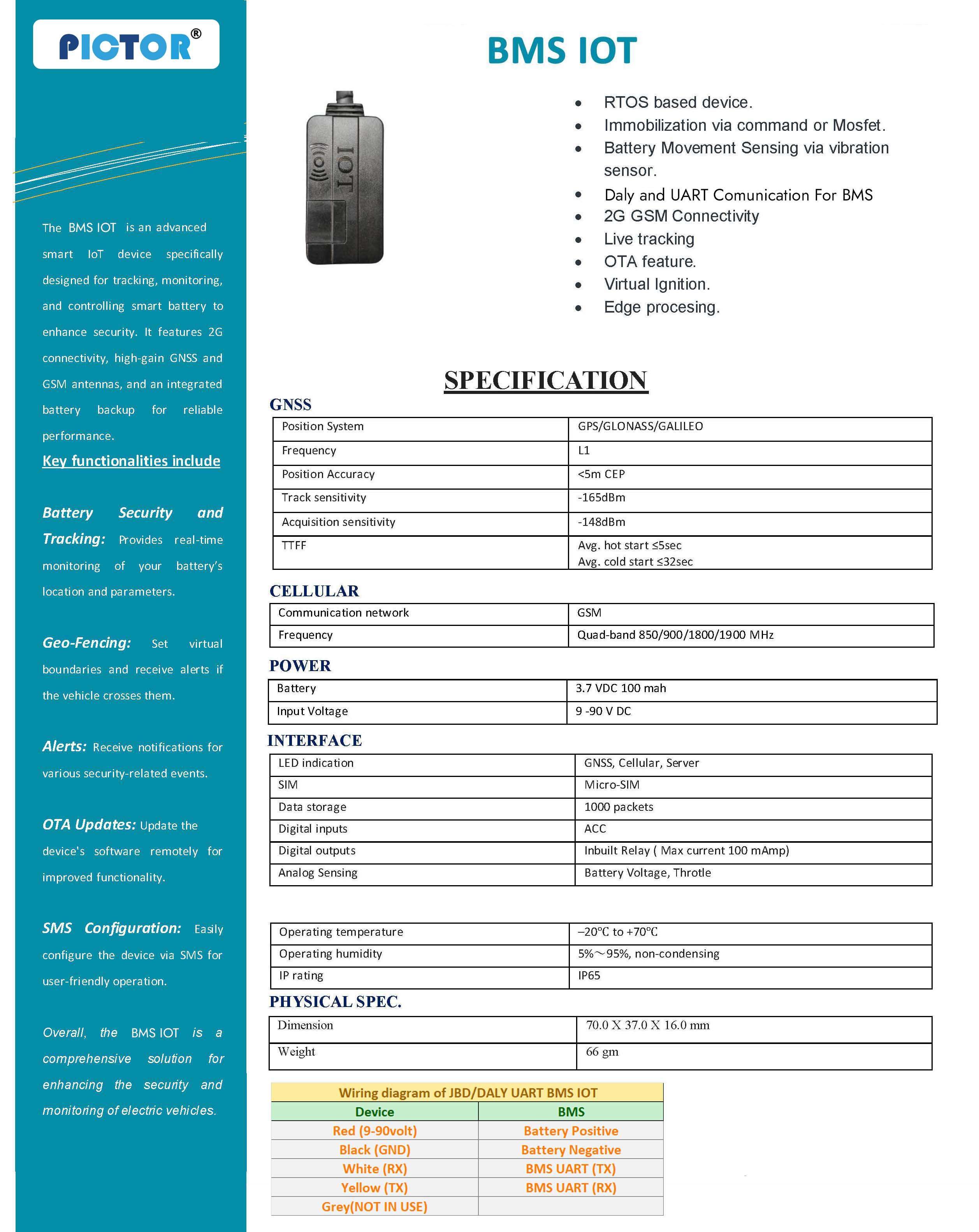
Start with our flagship device for Battery Management Systems—full specs and deployment guidance on the product page.
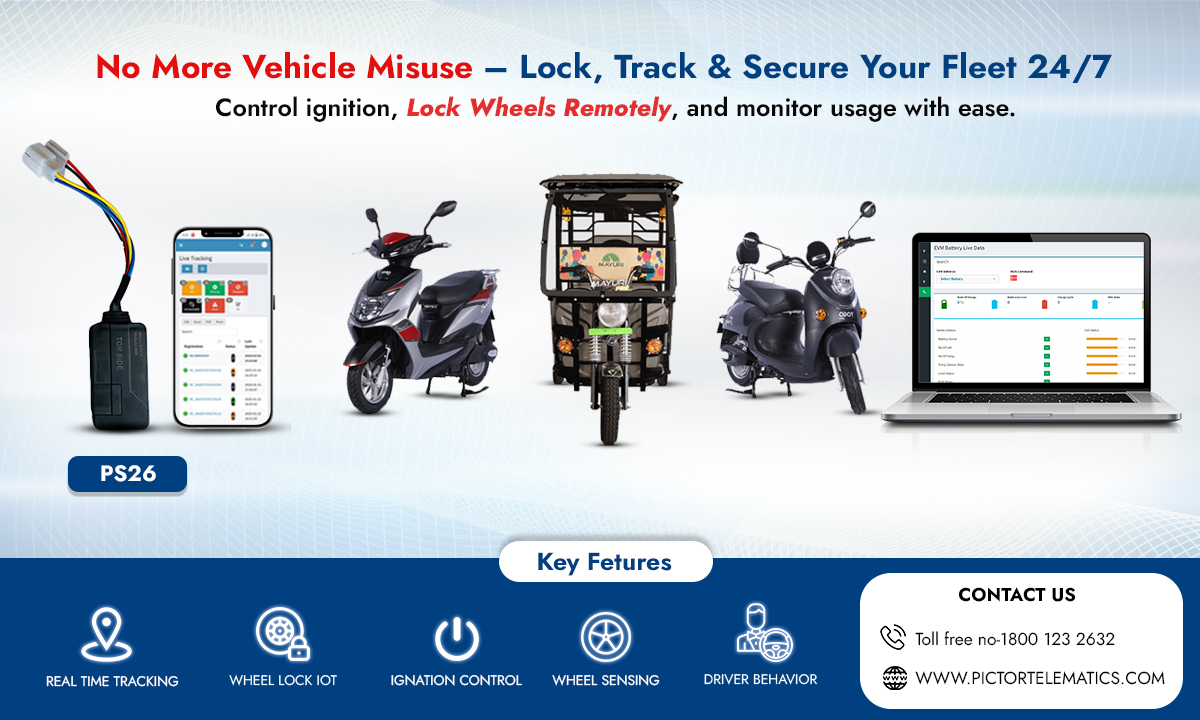
Pictor PS26 is an advanced IoT-enabled Vehicle Tracking System (VTS) designed specifically for 2-wheeler electric vehicles. It integrates real-time tracking, ignition control, wheel sensing, and wheel lock functionality...
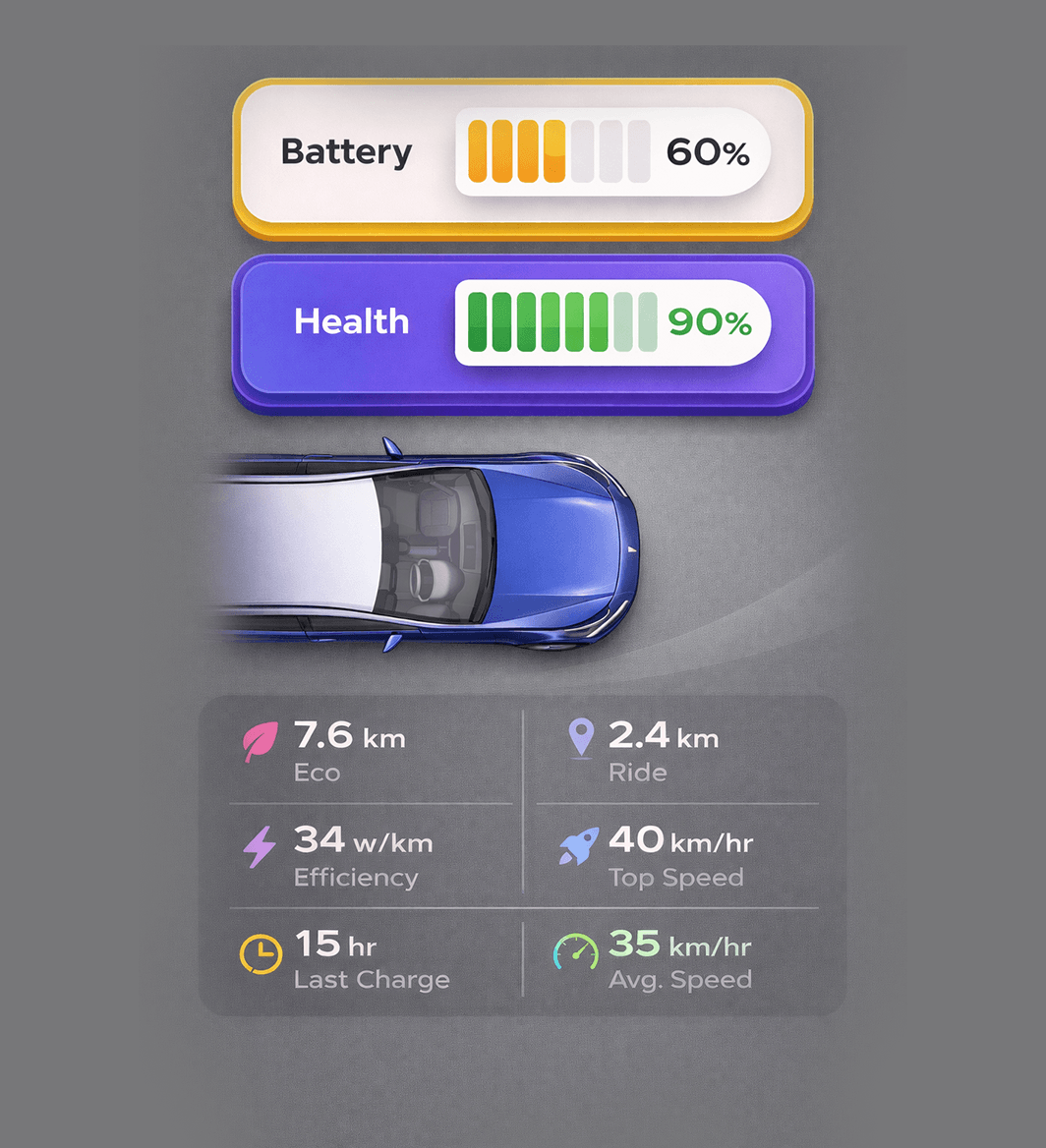
Stream cell-level battery telemetry to the cloud, apply safety and health thresholds, and convert raw data into maintenance and warranty workflows. Teams can intervene earlier, document pack behavior over time, and improve lifecycle decisions.
Straightforward feature notes—no jargon wall. If something here matters to your fleet, we’ll show you how it works on a call.
Spot imbalance and weak cells before they take the whole pack offline.
Operational range and replacement planning based on real degradation, not age alone.
Charging patterns, efficiency trends, and compliance-friendly reports.
Thermal, overcharge, and over-discharge alerts to reduce runaway risk.
Feeds EV telematics and fleet dashboards so workshop and operations align.
Typical deployments—we’ll map the closest fit to your routes, vehicles, and compliance rules.
Fleet-wide view of pack health. Schedule service before failures strand routes.

Swappable and fixed packs—track identity, cycles, and abuse.
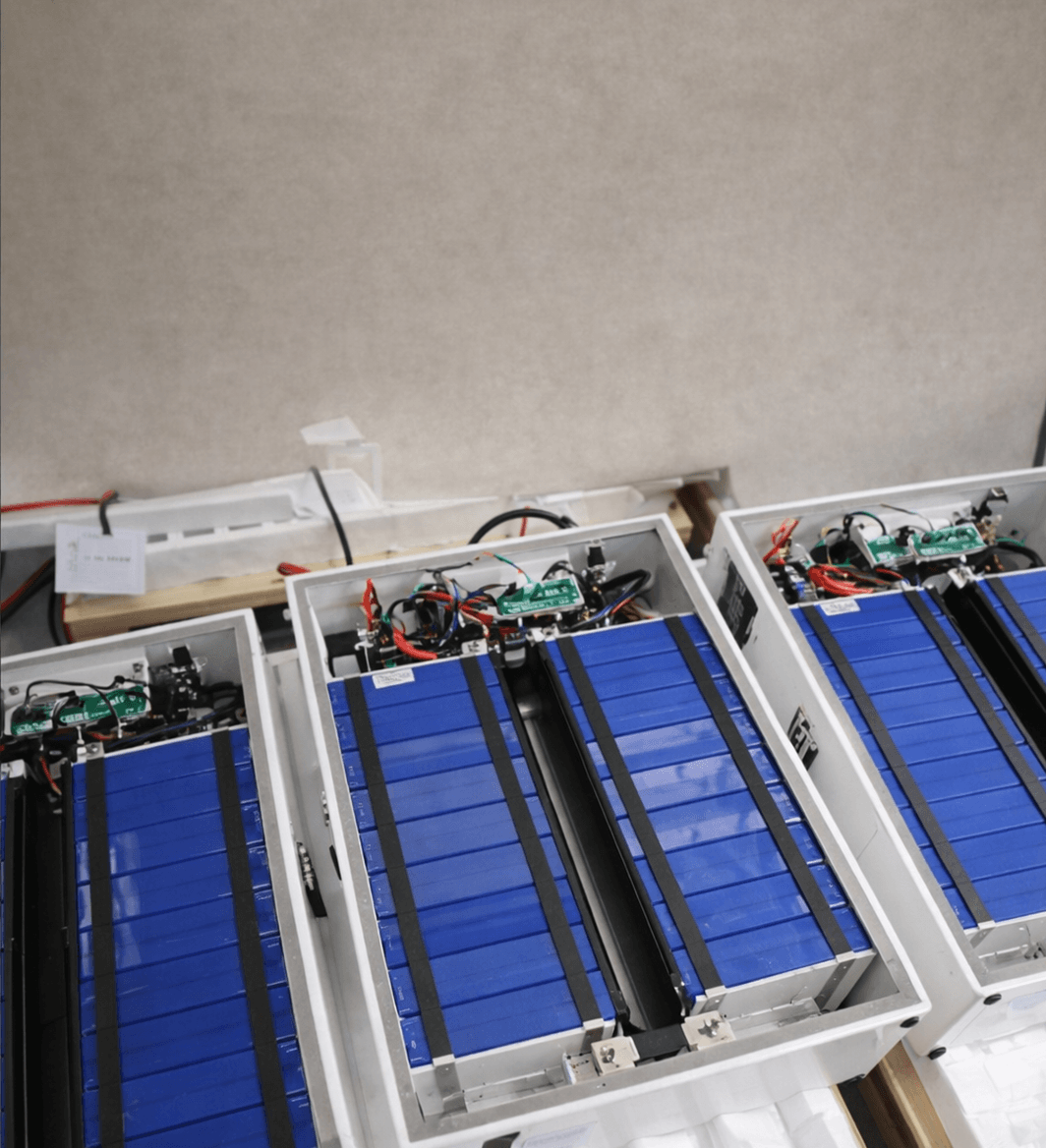
Remote diagnostics, field statistics, and proactive customer support.
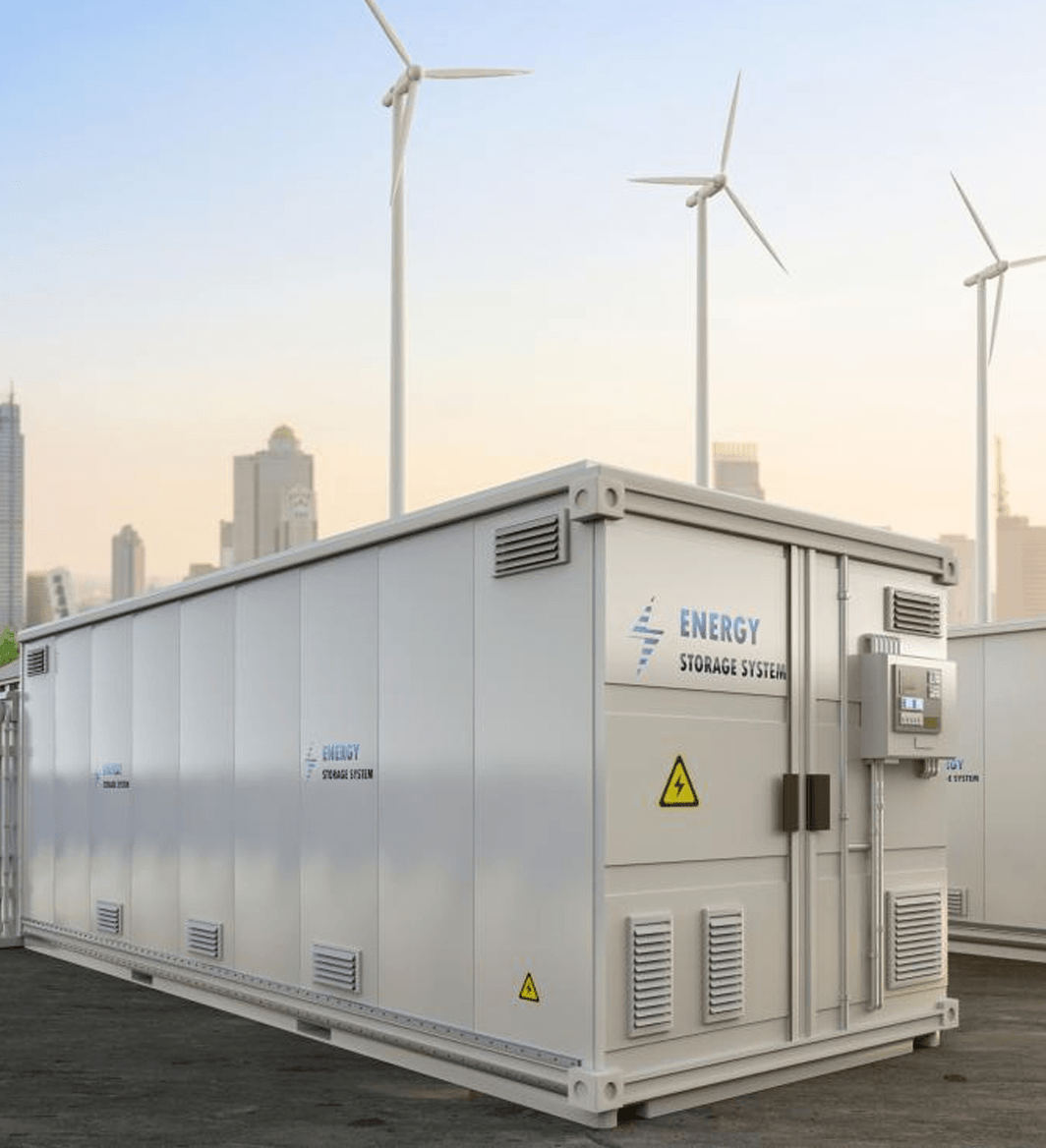
Stationary battery farms with balancing and thermal oversight.
Cloud-connected BMS layers add cell voltage, temperature, SOC, and SOH visibility on top of pack protection hardware. EV bus depots use it to schedule charging windows; last-mile operators use it to avoid mid-route failures; ESS operators use it for thermal and imbalance surveillance.
When BMS and GPS telematics share a dashboard, dispatch sees location + battery risk together—useful for assigning trips, quarantining packs after thermal events, and documenting warranty conversations with timestamped field history.
View battery risk signals in time for intervention, with historical records for engineering and warranty analysis.
Operators and OEM teams use BMS analytics to improve battery lifecycle outcomes and reduce costly reactive failures.
Hardware on the vehicle, reliable connectivity, and one dashboard your team uses—end to end.
Step 1
Fit the device to the vehicle—wired, OBD, or battery as needed.
Step 2
GPS and events stream securely so nothing depends on manual updates.
Step 3
Maps, reports, and alerts in the same login—web and mobile.
Telemetry interfaces with the battery pack or existing BMS and captures cell-level and aggregate health metrics. Data is transmitted to the cloud platform, where thresholds and trend analysis identify early-stage risk. Teams can integrate this insight into fleet operations, service workflows, and OEM support processes.
Browse device categories that pair with Battery Management Systems—specs and compatibility on each page.
Use these planning anchors for internal approvals and rollout readiness before procurement.
Typical flow: discovery and scope lock, pilot deployment, KPI validation window, then phased expansion. Exact timelines vary by fleet distribution and install constraints.
Incident priorities are triaged by business impact. Critical cases receive accelerated handling; final resolution windows depend on dependency class and on-ground access.
ROI estimates should separate hard savings (fuel, idle, misuse) from risk savings (incident/dispute reduction). Baseline and review periods must be agreed before rollout.
Integration plans are scoped by data exchange method, event triggers, and reporting ownership. API/webhook requirements are validated during technical discovery.
Written by
Pictor Telematics Solutions Editorial Team · Fleet Telematics Product Guidance
Reviewed by
Mr. Rajesh Kumar · Founder Director & Chief Executive Officer
Published
Jan 15, 2024
Last reviewed
Apr 10, 2026
Validation approach
Solution pages are reviewed against hardware capabilities, rollout workflows, and KPI assumptions from commercial deployments since 2014.
Book a demo tailored to your vehicles, regions, and integrations. Our specialists respond fast—usually as quickly as possible on business days.