LoRaWAN for wide, low-power coverage
Cover farms and industrial sites with fewer gateways than cellular towers.
LoRaWAN and gateway-based tracking for low-power IoT deployments
Deploy long-range, low-power tracking and sensor networks where per-device cellular is expensive or impractical.
Prefer messaging? Request a callback — our team responds promptly on business days.

Why operators choose us
Devices, networks, and people on the ground across India—so go-live isn’t where your project ends.
Our clients
Trusted by teams across India





























Start with our flagship device for WiFi-Based Tracking Solutions—full specs and deployment guidance on the product page.
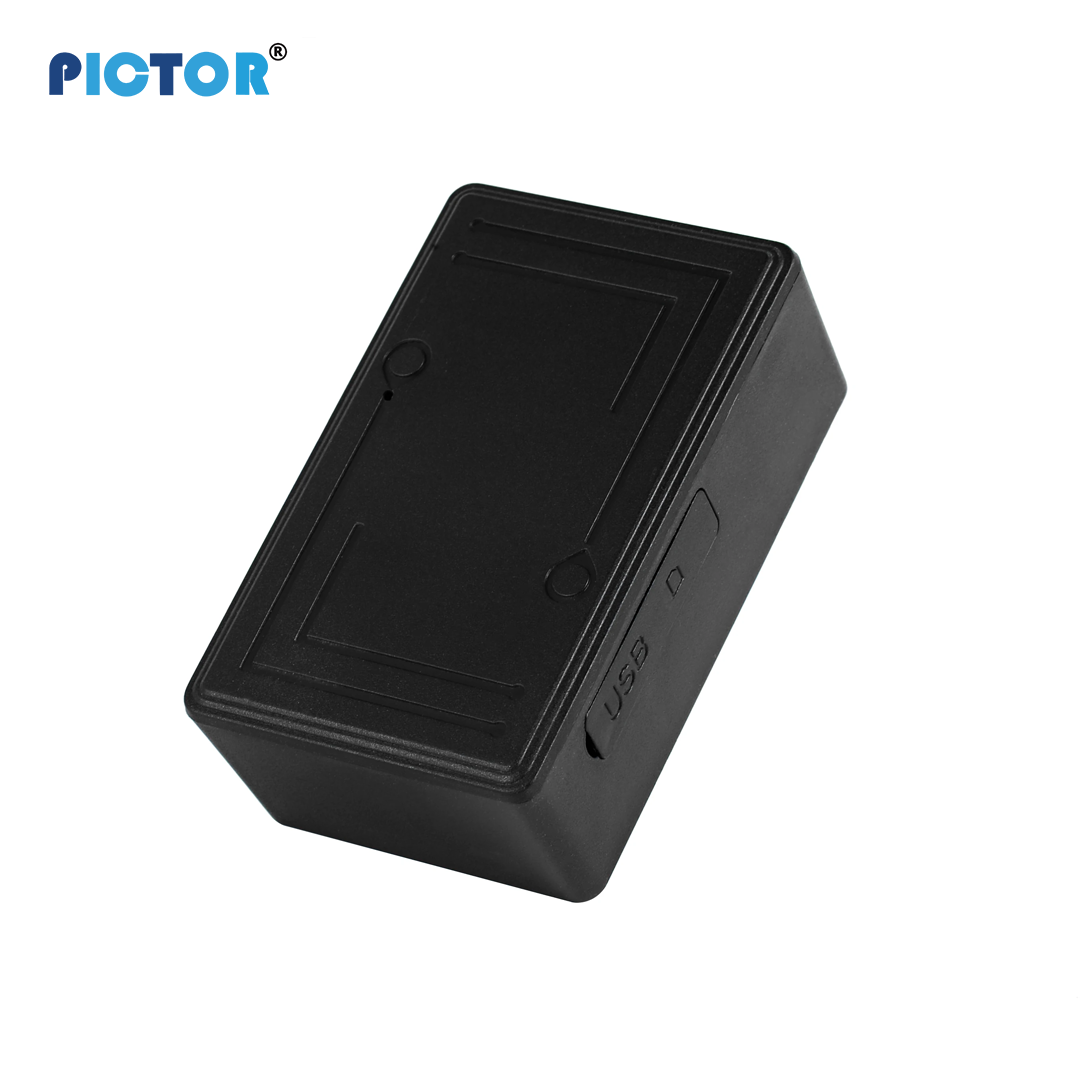
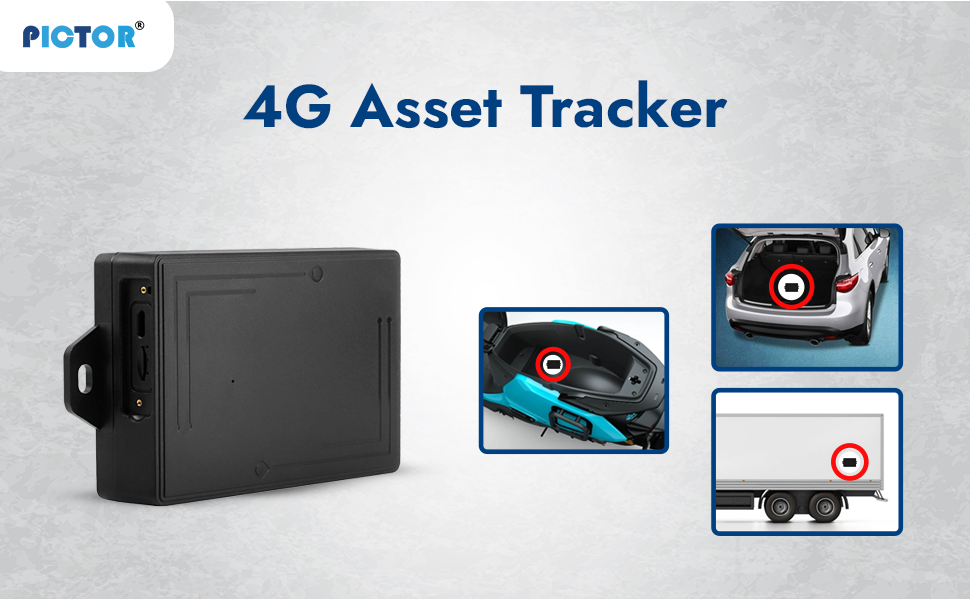
Compact magnetic 2G GPS asset tracker with 3000mAh battery, real-time tracking, geo-fence alerts, and remote voice monitoring support.
Use LoRaWAN gateways and long-life endpoints to collect location and telemetry at lower operating cost. This architecture improves coverage control, extends battery life, and keeps data centralized for actionable operations.
Straightforward feature notes—no jargon wall. If something here matters to your fleet, we’ll show you how it works on a call.
Cover farms and industrial sites with fewer gateways than cellular towers.
Track inside warehouses and across open land with the same network philosophy.
Ideal for sensors and slow-moving assets that cannot be charged weekly.
Temperature, humidity, door status—extend with sensors when needed.
Livestock, equipment, and environmental monitoring scaled for large properties.
Typical deployments—we’ll map the closest fit to your routes, vehicles, and compliance rules.
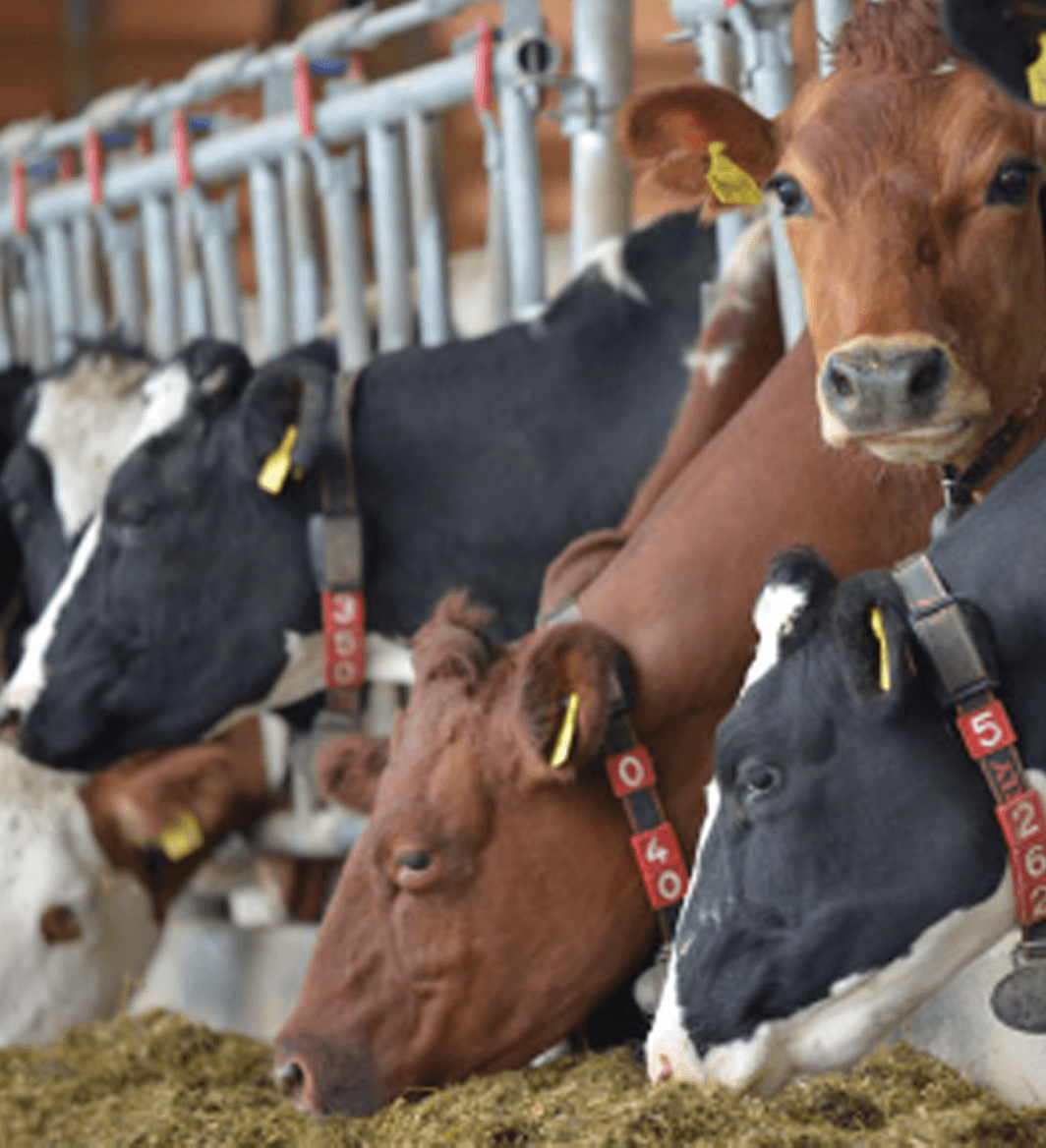
Monitor herds across grazing areas. Geofence straying. Low-cost devices with multi-year battery life.
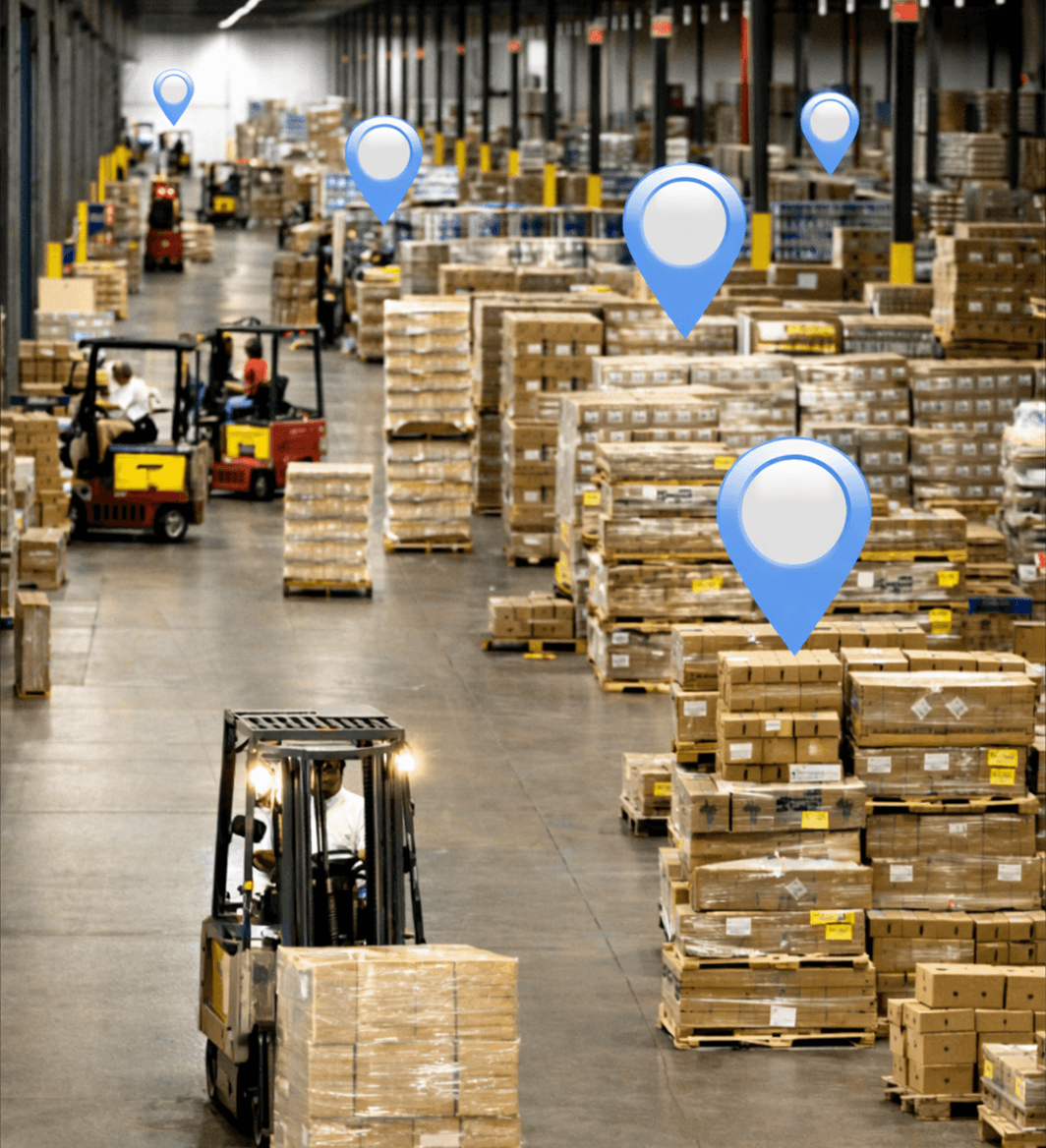
Track pallets and equipment without cellular dead zones inside warehouses.

Soil and environmental sensors alongside asset tracking for better operations.

Parking, waste, and infrastructure monitoring at scale.
LoRaWAN-style architectures fit when many endpoints share a geography and per-device cellular SIMs are expensive to administer. Common scenarios include livestock on large estates, pallets in warehouses, equipment across construction yards, and environmental sensors on agriculture land.
Connectivity planning is gateway-first: place gateways for backhaul (broadband or 4G), then validate endpoint coverage with a pilot zone before scaling across the full property.
LoRa is optimized for small, periodic packets—not continuous video or second-by-second highway tracking. For mixed estates, use cellular trackers on mobile corridors and LoRa on fixed or slow-moving assets.
Calibration and environmental drift matter for agriculture sensors; combine location with temperature or soil probes only after validation in your crop and season conditions.
Monitor network reach, battery status, and field conditions from one view for estates, yards, warehouses, and industrial sites.
Teams adopt LoRaWAN models when they need multi-year device life, lower recurring costs, and reliable monitoring across distributed assets.
Hardware on the vehicle, reliable connectivity, and one dashboard your team uses—end to end.
Step 1
Fit the device to the vehicle—wired, OBD, or battery as needed.
Step 2
GPS and events stream securely so nothing depends on manual updates.
Step 3
Maps, reports, and alerts in the same login—web and mobile.
Endpoints transmit data to nearby LoRaWAN gateways, which forward packets to the cloud platform through backhaul connectivity. This removes the need for SIM cards on each endpoint and simplifies device operations at scale. Deployment includes gateway placement planning based on terrain, structures, and required coverage density.
Browse device categories that pair with WiFi-Based Tracking Solutions—specs and compatibility on each page.
Use these planning anchors for internal approvals and rollout readiness before procurement.
Typical flow: discovery and scope lock, pilot deployment, KPI validation window, then phased expansion. Exact timelines vary by fleet distribution and install constraints.
Incident priorities are triaged by business impact. Critical cases receive accelerated handling; final resolution windows depend on dependency class and on-ground access.
ROI estimates should separate hard savings (fuel, idle, misuse) from risk savings (incident/dispute reduction). Baseline and review periods must be agreed before rollout.
Integration plans are scoped by data exchange method, event triggers, and reporting ownership. API/webhook requirements are validated during technical discovery.
Written by
Pictor Telematics Solutions Editorial Team · Fleet Telematics Product Guidance
Reviewed by
Mr. Rajesh Kumar · Founder Director & Chief Executive Officer
Published
Jan 15, 2024
Last reviewed
Apr 10, 2026
Validation approach
Solution pages are reviewed against hardware capabilities, rollout workflows, and KPI assumptions from commercial deployments since 2014.
Book a demo tailored to your vehicles, regions, and integrations. Our specialists respond fast—usually as quickly as possible on business days.