
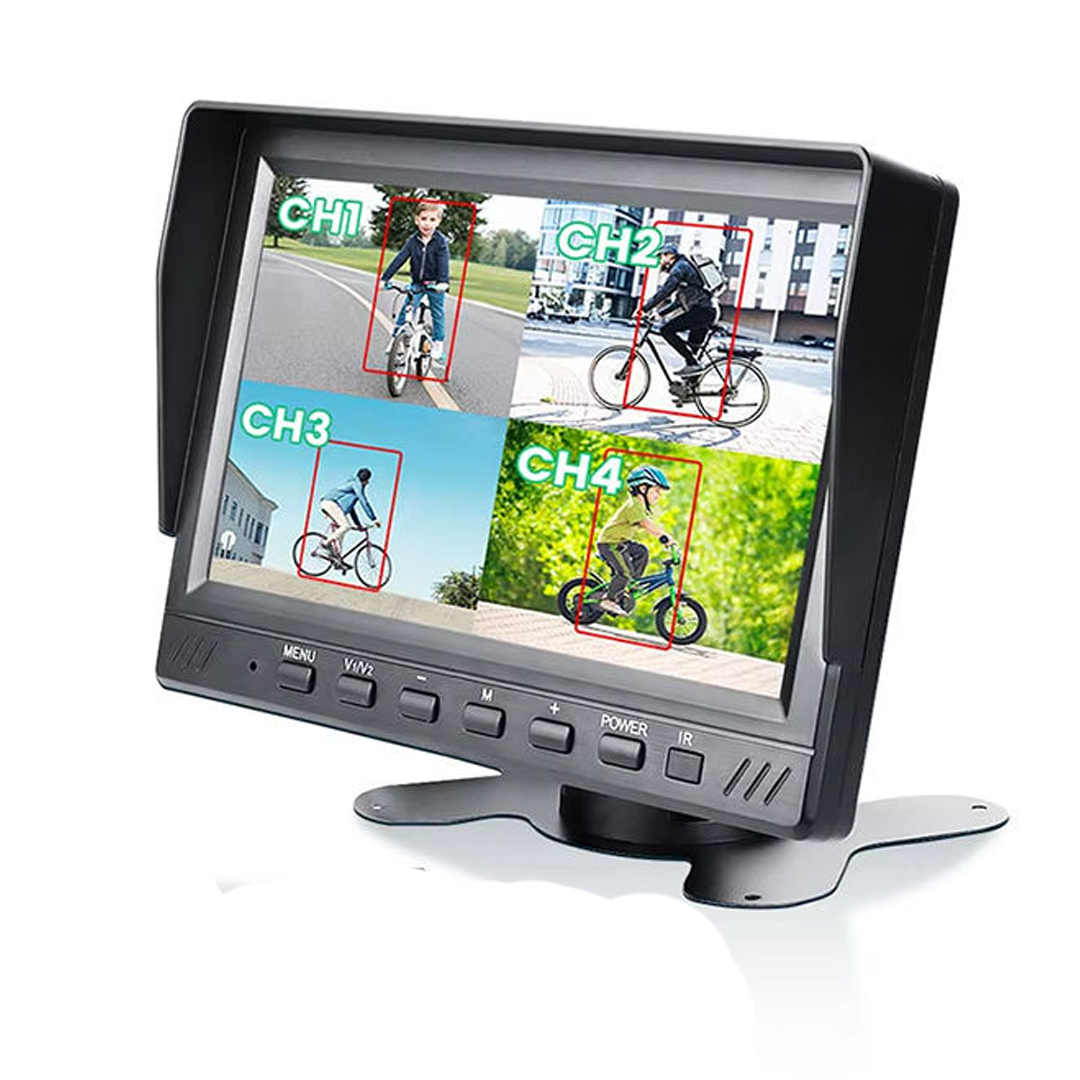
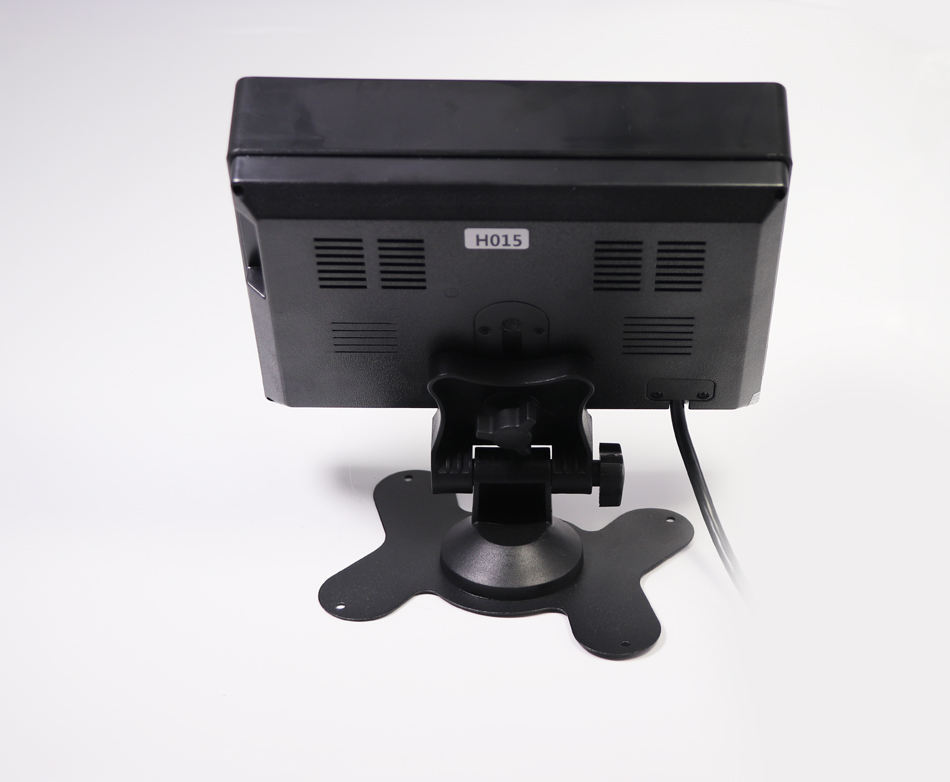
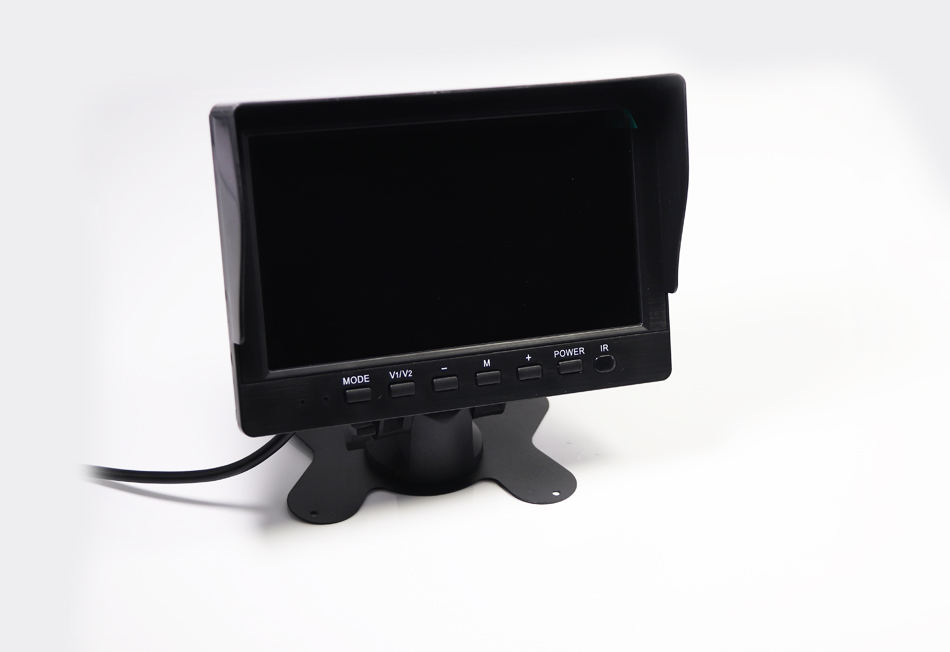
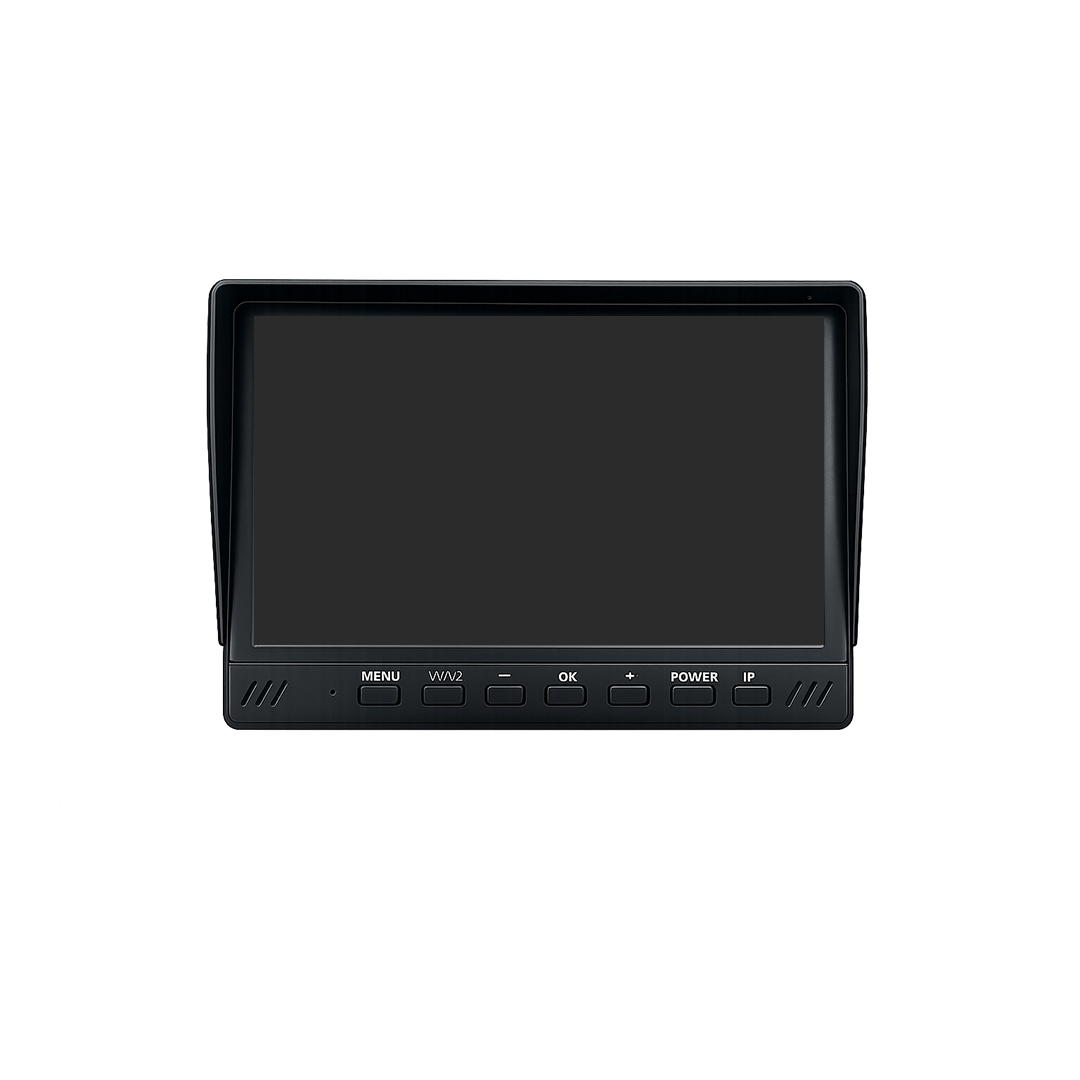
T28 4-Channel Mobile DVR for Fleet Vehicle Surveillance
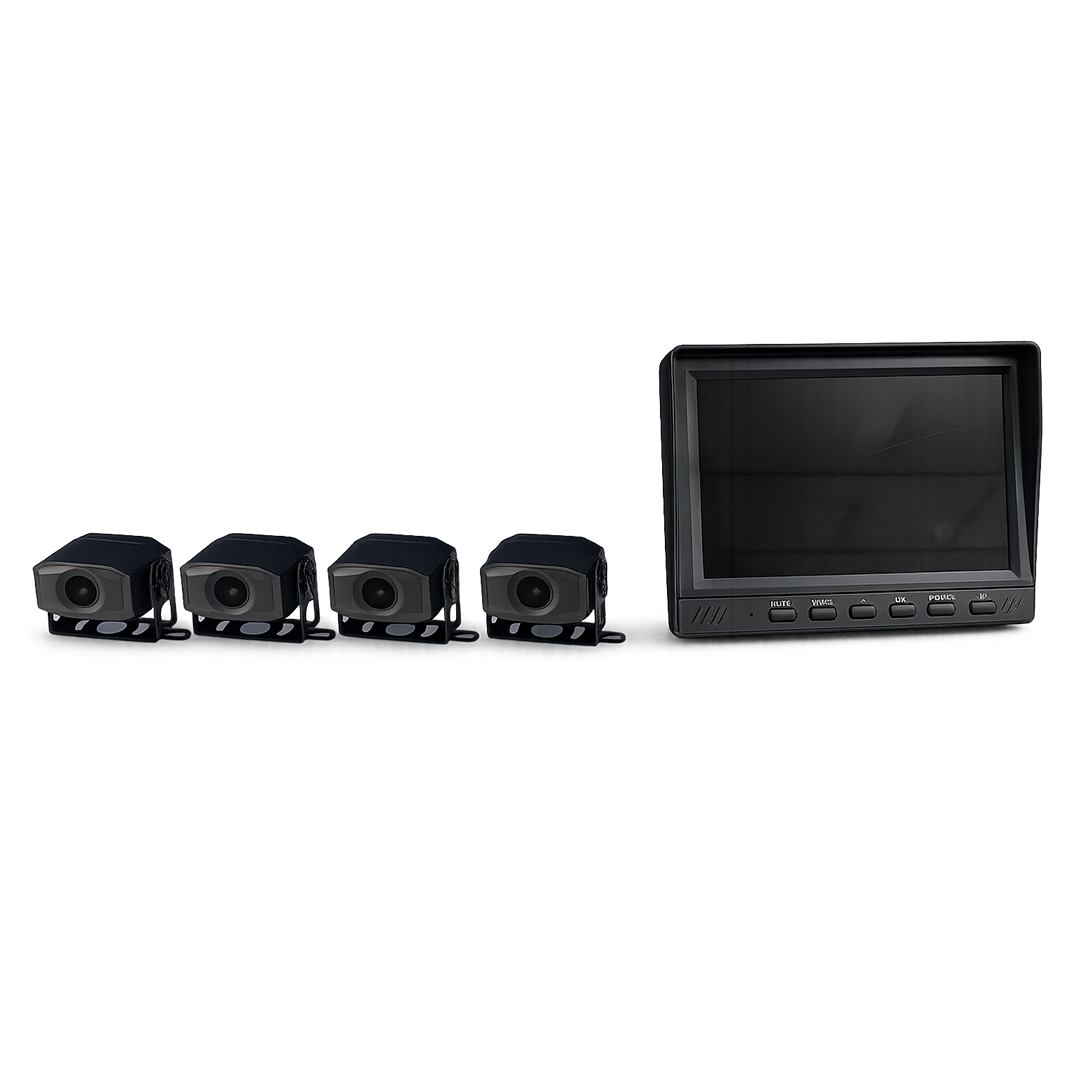
The PICTOR T28 is a 4-channel all-in-one vehicle camera monitoring and recording system designed to provide complete around-vehicle visibility. Equipped with four wide-angle HD cameras and a 7-inch HD IPS display, it enhances driver safety by minimiz...
About T28 4-Channel Mobile DVR for Fleet Vehicle Surveillance
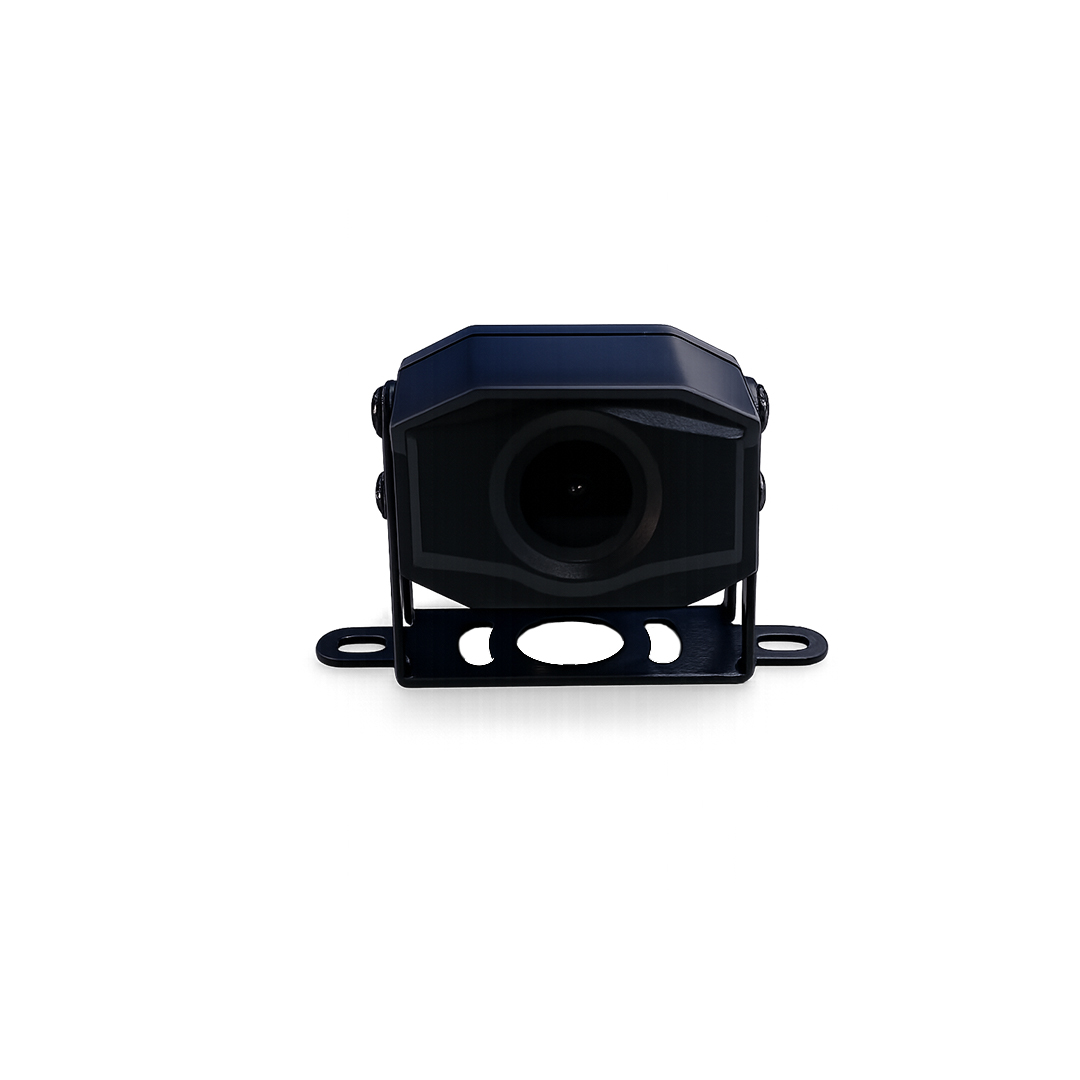
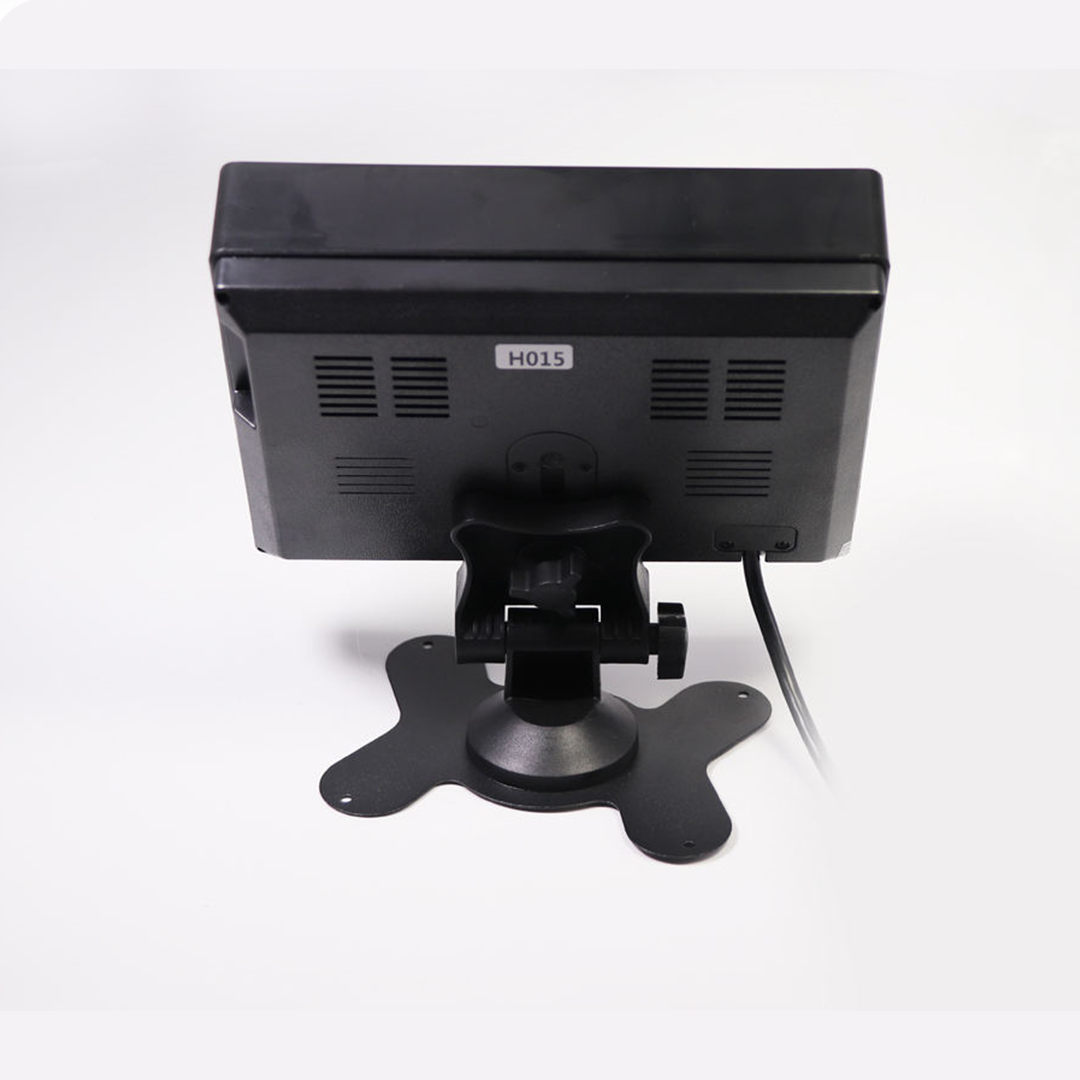
The PICTOR T28 4-Channel Vehicle Camera System is an advanced vehicle surveillance and safety solution that integrates four external wide-angle HD cameras with a central 7-inch HD display unit. The system delivers real-time video monitoring of the front, rear, left, and right sides of the vehicle. It records footage in 1080P H.264 format and supports TF card storage up to 128GB. Designed for commercial and heavy vehicles, it operates within a wide voltage range (9V–36V) and functions reliably in extreme temperatures from -20°C to 70°C. The system automatically switches to rear-view mode when reverse gear is engaged and provides adjustable reversing guidelines for safer maneuvering.
- Four wide-angle HD cameras for 360° vehicle monitoring
- Real-time image transmission to 7-inch HD IPS display
- 1080P video recording with H.264 compression
- Automatic reverse mode with adjustable guidelines
- Wide voltage support (9V–36V) suitable for multiple vehicle types
Key highlights
Product features
Evaluate these capabilities against your route profile, risk controls, and team workflows.
- Four wide-angle HD cameras for 360° vehicle monitoring
- Real-time image transmission to 7-inch HD IPS display
- 1080P video recording with H.264 compression
- Automatic reverse mode with adjustable guidelines
- Wide voltage support (9V–36V) suitable for multiple vehicle types
- Boot-up automatic recording with no second missed
- Graphical menu interface for easy operation
- Supports up to 128GB TF card storage
- Low power consumption (<8W)
- Durable performance in extreme temperatures
Technical specifications
Use this table for compatibility checks, deployment planning, and integration review.
| Display Size | 7-inch HD IPS Screen |
|---|---|
| Display Resolution | 800 × 480 |
| Video Input | 4-Channel HD Video Input |
| Video Format | 1080P H.264 |
| Storage Support | TF Card Class 10, Up to 128GB |
| Power Input Range | 9V – 36V |
| Power Consumption | < 8W |
| Operating Temperature | -20°C to 70°C |
| Operation Language | Simplified Chinese / Traditional Chinese / English |
| Display Modes | 4 View Display Modes |
| Recording Mode | Default boot video recording |
| Operation Interface | Graphical Menu Operation |
| Operation Mode | Physical Entity Keys (6 Keys) |
| Display Switching | Short press to switch display |
| Power Control | Long press to Power ON/OFF |
| Trigger Input | Reverse / Turn Signal (10–36V) |
| Camera Connection Type | Aviation Head Connectors |
| System Composition | 1 × Host Unit (7-inch HD Display), 1 × Front Camera (Original View), 1 × Rear Camera (Mirror View), 1 × Left Camera, 1 × Right Camera, 4 × Aviation Video Extension Cables |
Key features
- Four wide-angle HD cameras for 360° vehicle monitoring
- Real-time image transmission to 7-inch HD IPS display
- 1080P video recording with H.264 compression
- Automatic reverse mode with adjustable guidelines
- Wide voltage support (9V–36V) suitable for multiple vehicle types
- Boot-up automatic recording with no second missed
- Graphical menu interface for easy operation
- Supports up to 128GB TF card storage
- Low power consumption (<8W)
- Durable performance in extreme temperatures
Frequently asked questions
Ready to upgrade your fleet safety?
Get a scoped quote, schedule a demo, and validate rollout fit with our product team.
Request demoRelated products
More models you may want to compare.
Written by
Pictor Telematics Product Documentation Team · Specifications and Deployment Guidance
Reviewed by
Mr. Rajesh Kumar · Founder Director & Chief Executive Officer
Published
Jan 15, 2024
Last reviewed
Apr 10, 2026
Validation approach
Product information is reviewed against technical specifications, installation constraints, and operational usage patterns from deployments since 2014.