
CLS2 BLE Bluetooth Fuel Level Sensor for GPS Tracker
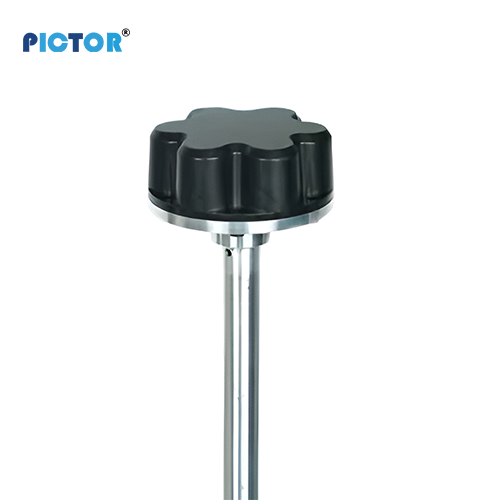
Pictor CLS2 BLE is a high-precision wireless capacitive fuel level sensor designed for accurate fuel monitoring without external wiring. It features Bluetooth 5.0 communication, long battery life, and anti-corrosion construction for reliable performa...
About CLS2 BLE Bluetooth Fuel Level Sensor for GPS Tracker
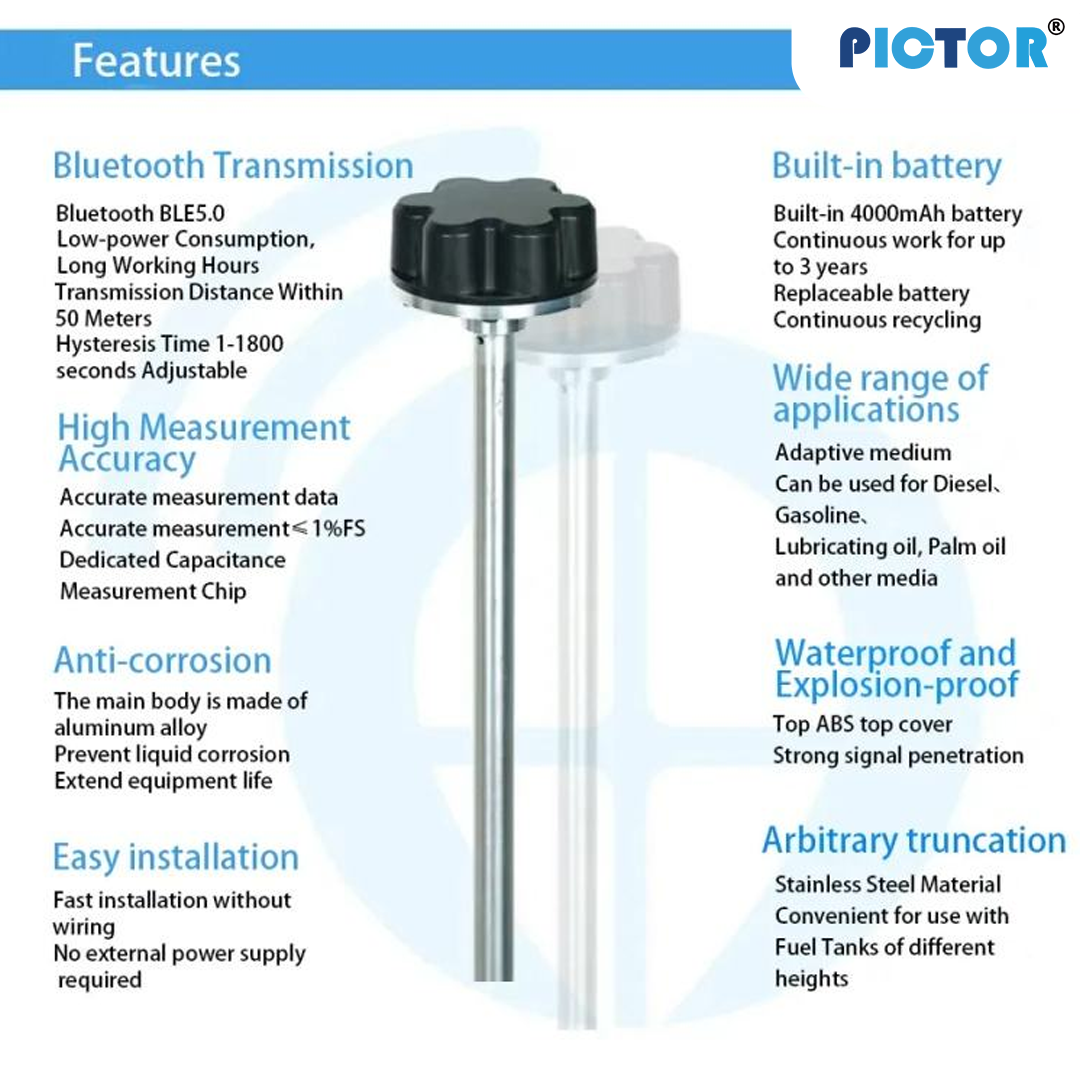
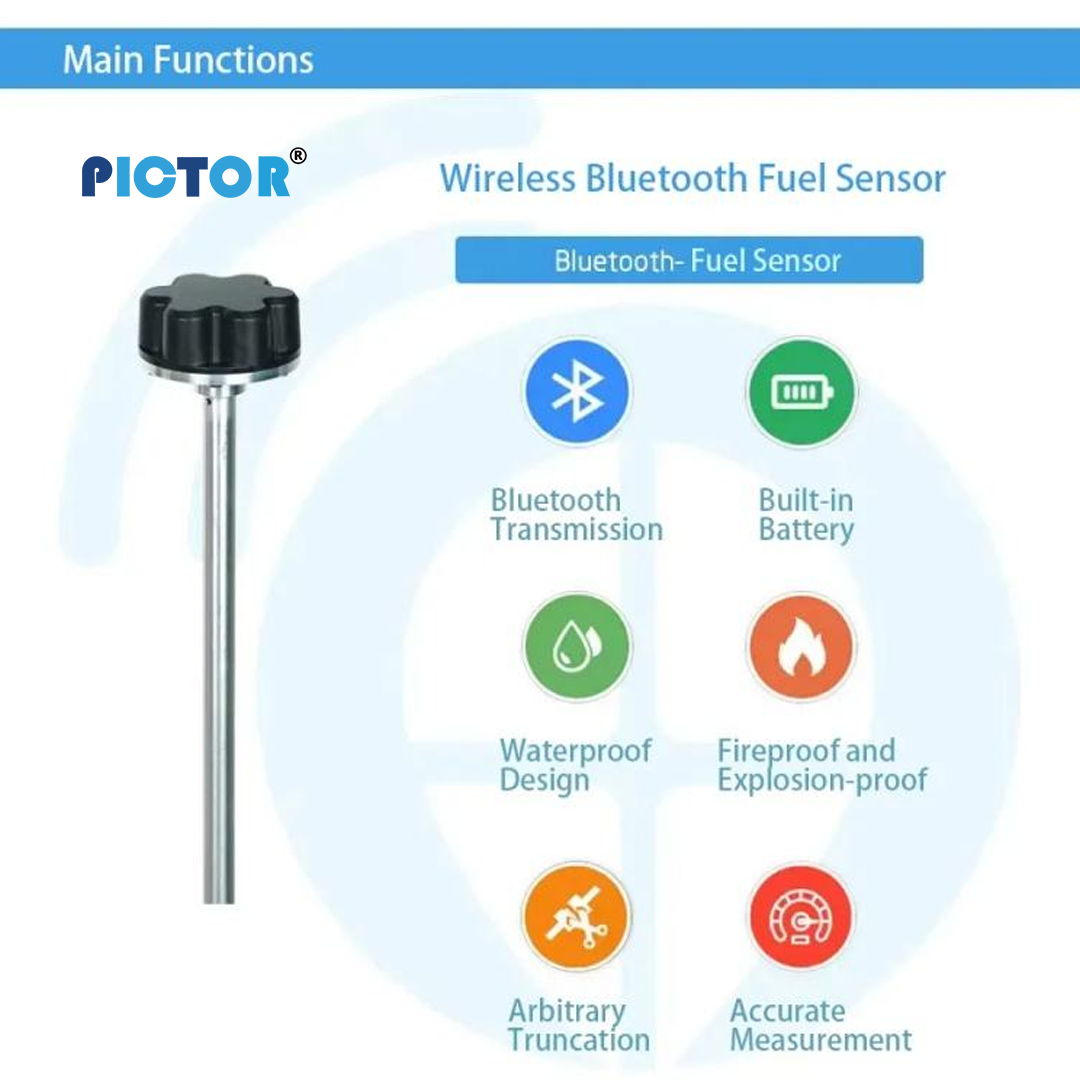
The Pictor CLS2 BLE Wireless Fuel Level Sensor utilizes Bluetooth 5.0 technology to provide stable wireless data transmission up to 50 meters. It ensures ≤1% full-scale measurement accuracy through a dedicated capacitance measurement chip. Equipped with a built-in 4000mAh battery, the sensor can operate continuously for up to 3 years without external power supply. The aluminum alloy body prevents corrosion, while the stainless steel probe supports adjustable length to fit tanks of different heights. Suitable for diesel, gasoline, lubricating oil, palm oil, and other compatible liquids.
- Bluetooth BLE 5.0 low-power wireless transmission
- Transmission range up to 50 meters
- High accuracy ≤1% full-scale
- Dedicated capacitance measurement chip
- Built-in 4000mAh replaceable battery
Key highlights
Product features
Evaluate these capabilities against your route profile, risk controls, and team workflows.
- Bluetooth BLE 5.0 low-power wireless transmission
- Transmission range up to 50 meters
- High accuracy ≤1% full-scale
- Dedicated capacitance measurement chip
- Built-in 4000mAh replaceable battery
- Up to 3 years battery life
- Adjustable hysteresis time (1–1800 seconds)
- Aluminum alloy anti-corrosion housing
- ABS top cover with strong signal penetration
- Waterproof and explosion-proof design
- Stainless steel probe with adjustable length
- Fast installation without external wiring
Technical specifications
Use this table for compatibility checks, deployment planning, and integration review.
| measurement_accuracy | ≤1% FS |
|---|---|
| measurement_type | Capacitive |
| bluetooth_version | BLE 5.0 |
| transmission_distance | Up to 50 meters |
| hysteresis_time | Adjustable 1–1800 seconds |
| battery_capacity | 4000mAh |
| battery_life | Up to 3 years continuous operation |
| power_supply | Built-in battery (No external power required) |
| body_material | Aluminum alloy |
| probe_material | Stainless steel |
| installation | Wireless, no wiring required |
| communication_protocol | Bluetooth BLE 5.0 |
| accuracy | ≤1% Full Scale |
| transmission_range | ≤50 meters |
| battery_type | Built-in replaceable battery |
| maximum_operation_time | Up to 3 years |
| housing_material | Aluminum alloy |
| supported_media | Diesel, Gasoline, Lubricating oil, Palm oil, Other compatible liquids |
Key features
- Bluetooth BLE 5.0 low-power wireless transmission
- Transmission range up to 50 meters
- High accuracy ≤1% full-scale
- Dedicated capacitance measurement chip
- Built-in 4000mAh replaceable battery
- Up to 3 years battery life
- Adjustable hysteresis time (1–1800 seconds)
- Aluminum alloy anti-corrosion housing
- ABS top cover with strong signal penetration
- Waterproof and explosion-proof design
- Stainless steel probe with adjustable length
- Fast installation without external wiring
Frequently asked questions
Ready to upgrade your fleet safety?
Get a scoped quote, schedule a demo, and validate rollout fit with our product team.
Request demoRelated products
More models you may want to compare.
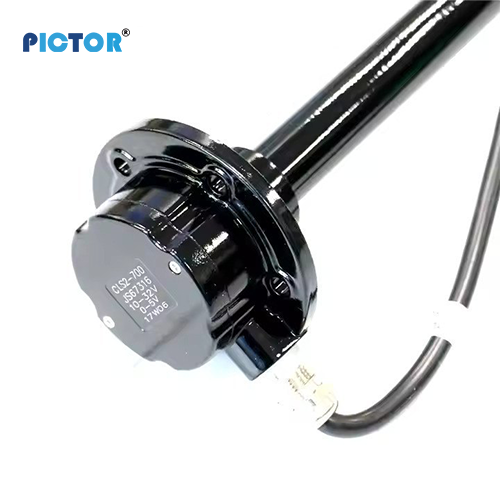
CLS2 Analog Ultrasonic Fuel Level Sensor for Fleet
The PICTOR CLS2 is a high-resolution capacitance fuel level sensor designed for continuous and accurate fuel monitoring. It measures fuel le...
View product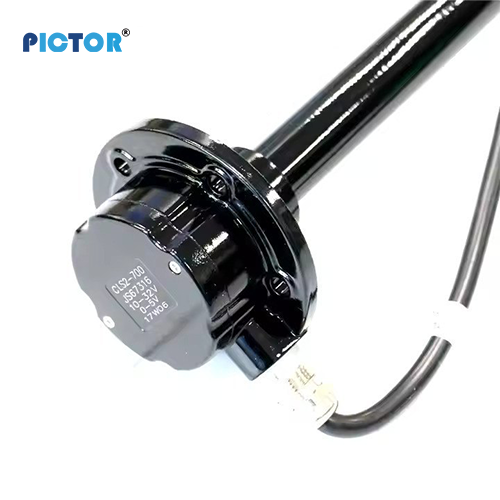
CLS2 RS485 Ultrasonic Fuel Level Sensor for Fleet Monitoring
The CLS2 High Resolution Capacitance Level Sensor is a precision fuel monitoring device designed for continuous fuel level detection in dies...
View productWritten by
Pictor Telematics Product Documentation Team · Specifications and Deployment Guidance
Reviewed by
Mr. Rajesh Kumar · Founder Director & Chief Executive Officer
Published
Jan 15, 2024
Last reviewed
Apr 10, 2026
Validation approach
Product information is reviewed against technical specifications, installation constraints, and operational usage patterns from deployments since 2014.