
AI Dashcam vs Normal Dashcam – Which One Is Right for Your Fleet in 2026?
The choice between an AI dashcam and a normal (traditional) dashcam is one of the most important decisions fleet managers will make in 2026. AI dashcams add advanced driver assistance (ADAS), driver monitoring (DMS), and intelligent event detection—transforming video recording into a proactive safety and cost-reduction tool. Normal dashcams capture footage but offer no real-time alerts or behavioural insights. This guide compares both types and helps you decide which is right for your fleet.
We cover features, costs, ROI, use cases, and a clear decision framework. Whether you prioritise budget, safety, or both, you’ll have the information needed to choose between AI and normal dashcams in 2026.

AI dashcams add real-time safety alerts; normal dashcams only record
What is a Normal Dashcam?
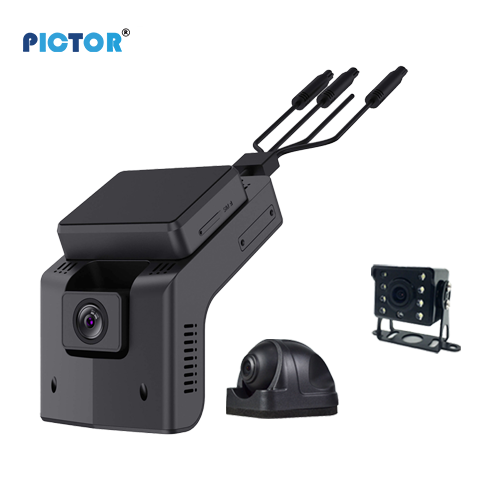
A normal (traditional) dashcam continuously records road-facing (and optionally cabin-facing) video. It saves footage to a memory card or cloud when triggered by motion, impact, or manual activation. It provides evidence after an incident but does not analyse behaviour or alert drivers in real time. Normal dashcams are typically lower cost and simpler to operate—ideal for basic evidence collection and insurance claims.
Normal Dashcam: Pros and Cons
Pros: Lower cost, simple setup, reliable recording, no subscription for basic use. Cons: No real-time alerts, no driver behaviour insights, no accident prevention. You get evidence after the fact—not prevention.
What is an AI Dashcam?
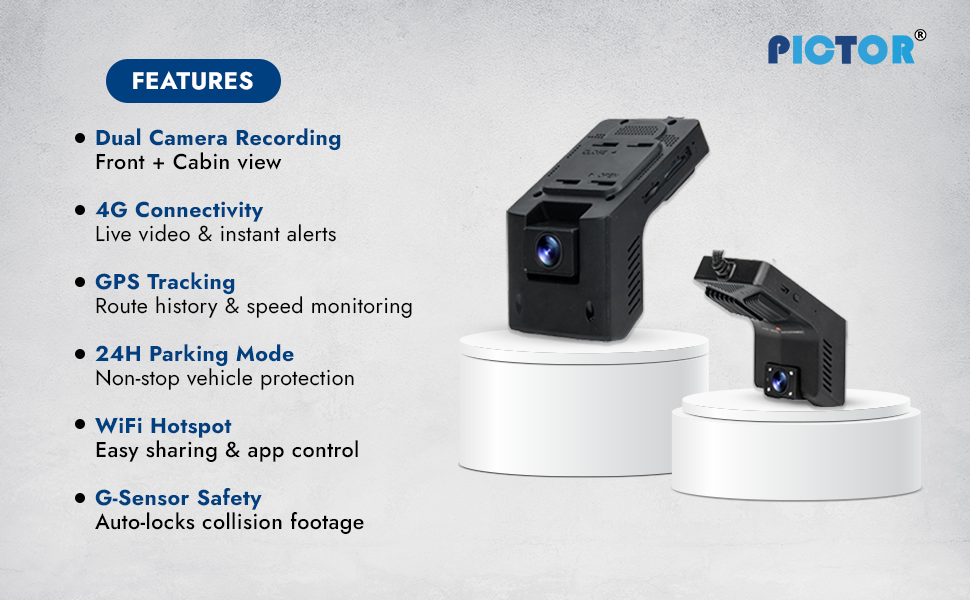
An AI dashcam adds onboard processing to analyse video in real time. It combines ADAS (Advanced Driver Assistance Systems)—such as forward collision warning, lane departure warning, and speed limit alerts—with DMS (Driver Monitoring Systems) that detect fatigue, distraction, phone use, and smoking. When the AI detects a risk, it triggers an immediate in-cab alert. It also flags events for post-trip review and driver coaching.
AI Dashcam: Pros and Cons
Pros: Real-time accident prevention, driver behaviour analytics, insurance discounts, faster claim resolution, fleet safety scores. Cons: Higher upfront cost, may require subscription for cloud features, more complex setup. The investment pays off through fewer accidents, lower insurance, and better driver performance. Explore our video telematics solution for integrated AI dashcams.
AI Dashcam vs Normal Dashcam: Feature Comparison
Which One Is Right for Your Fleet in 2026?
Choose an AI dashcam if: You prioritise accident prevention, driver safety, insurance discounts, and fleet-wide behaviour improvement. Your vehicles are exposed to high-risk environments (highways, urban congestion). You have budget for a solution that pays back through fewer claims and lower premiums.
Choose a normal dashcam if: Your primary need is evidence collection for insurance disputes. Budget is the main constraint. Your fleet has lower exposure or you’re testing dashcam adoption before committing to AI. You can upgrade later as needs evolve.
Pictor Telematics: AI and Normal Dashcam Options
Pictor Telematics offers both AI and traditional dashcam solutions. The PIOTOR T600 and G700 provide reliable dual-channel recording with GPS for evidence-focused use. The PIOTOR G900, P1000, and D1200 add full AI capabilities—ADAS, DMS, cloud streaming, and driver behaviour analytics. Our experts can help you choose the right fit based on fleet size, risk profile, and budget. See our telematics hardware solutions and compare GPS vs dashcam to decide.
Conclusion
AI dashcams add real-time safety alerts and driver behaviour monitoring; normal dashcams provide recording only. For fleets committed to reducing accidents and cutting costs in 2026, AI dashcams are the better investment. For simple evidence needs on a tight budget, normal dashcams remain a valid option. Evaluate your risk, budget, and goals—then choose accordingly.
Contact Pictor Telematics for a free comparison and demo. We’ll help you select the right dashcam for your fleet and show you the ROI potential. Call 1800 123 2632 or request a consultation today.
Related Images
Ready to upgrade your fleet?
Get a consultation focused on your current operating model, deployment constraints, and target outcomes.
Request ConsultationSources & further reading
Pictor guides
External references
Recommended next steps
- Review solution categories linked to this topic.
- Compare deployment options before finalizing specs.
- Validate rollout questions around installation, reporting, and support.
Founder Director & Chief Executive Officer
Written for fleet operators evaluating GPS tracking, telematics, and safety technology in India. Reviewed by Mr. Rajesh Kumar (Founder Director & Chief Executive Officer).