
What is OBD GPS Tracker? How It Works & Why Every Fleet Needs One in 2026
An OBD GPS tracker is a plug-and-play device that connects to your vehicle’s OBD-II (On-Board Diagnostics) port to provide real-time location tracking, engine diagnostics, and driver behaviour monitoring—without wiring or professional installation. In 2026, OBD GPS trackers have become the go-to choice for fleets seeking fast deployment, minimal downtime, and rich telematics data. This guide explains what an OBD GPS tracker is, how it works, and why every fleet should consider one.
Whether you manage cars, light commercial vehicles, or mixed fleets, understanding OBD trackers helps you make informed decisions about fleet tracking and cost control. We cover technology, benefits, limitations, and how to choose the right device for 2026.

OBD GPS trackers offer plug-and-play fleet tracking
What is an OBD GPS Tracker?
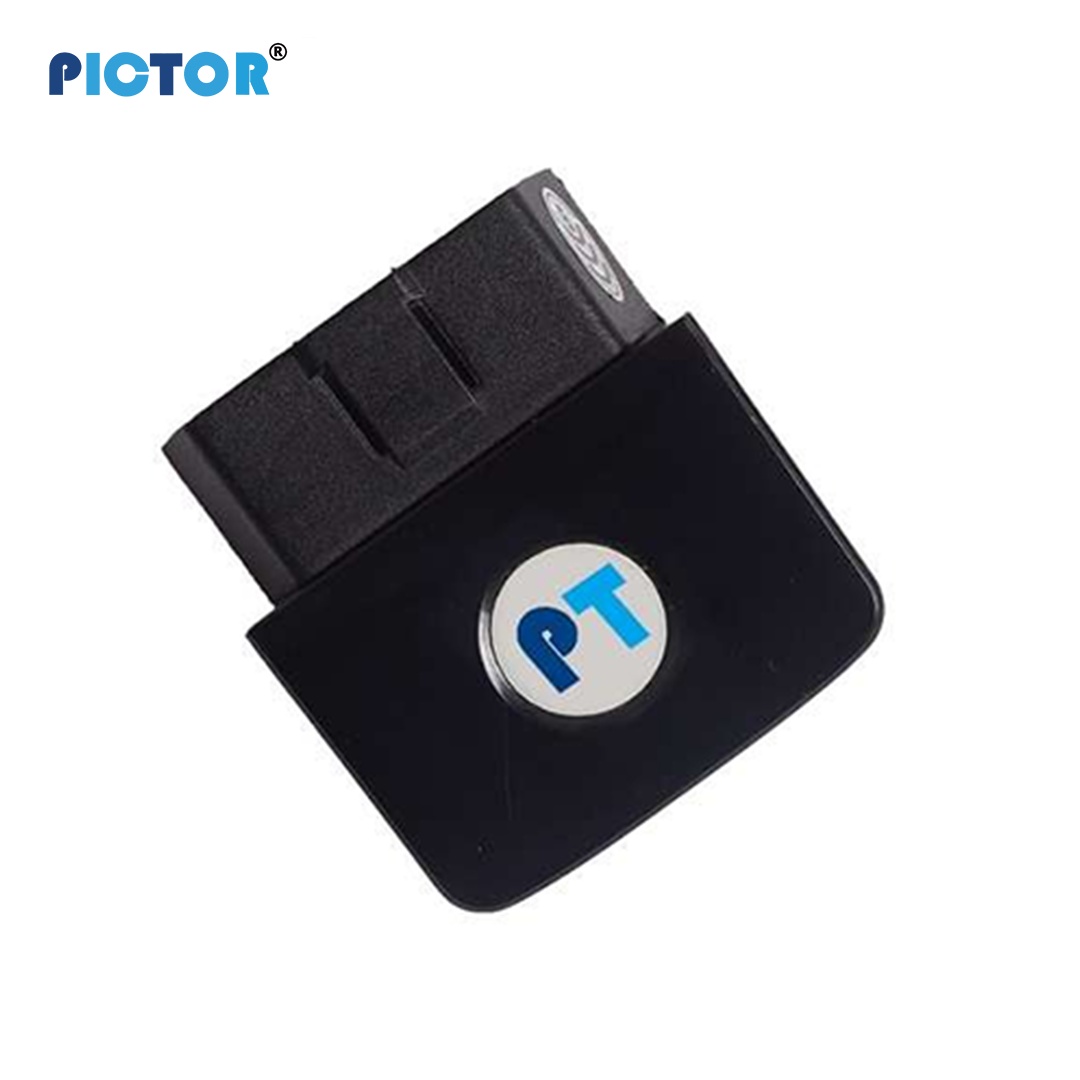
An OBD GPS tracker is a compact telematics device that plugs into the vehicle’s OBD-II diagnostic port. This port, standard on most cars and light commercial vehicles since the mid-1990s, provides power and access to vehicle data such as speed, RPM, fuel level, fault codes, and mileage. The OBD tracker adds GPS and cellular connectivity to transmit location and engine data to a cloud platform for fleet management.
OBD-II Port: Where and Why
The OBD-II port is typically located under the dashboard, near the steering column. It was originally designed for emission testing and diagnostics. Today, it enables plug-and-play telematics—no cutting wires or professional installation required. The tracker draws power from the vehicle, so it operates whenever the ignition is on and can support parking mode if the vehicle provides continuous power.
How Does an OBD GPS Tracker Work?
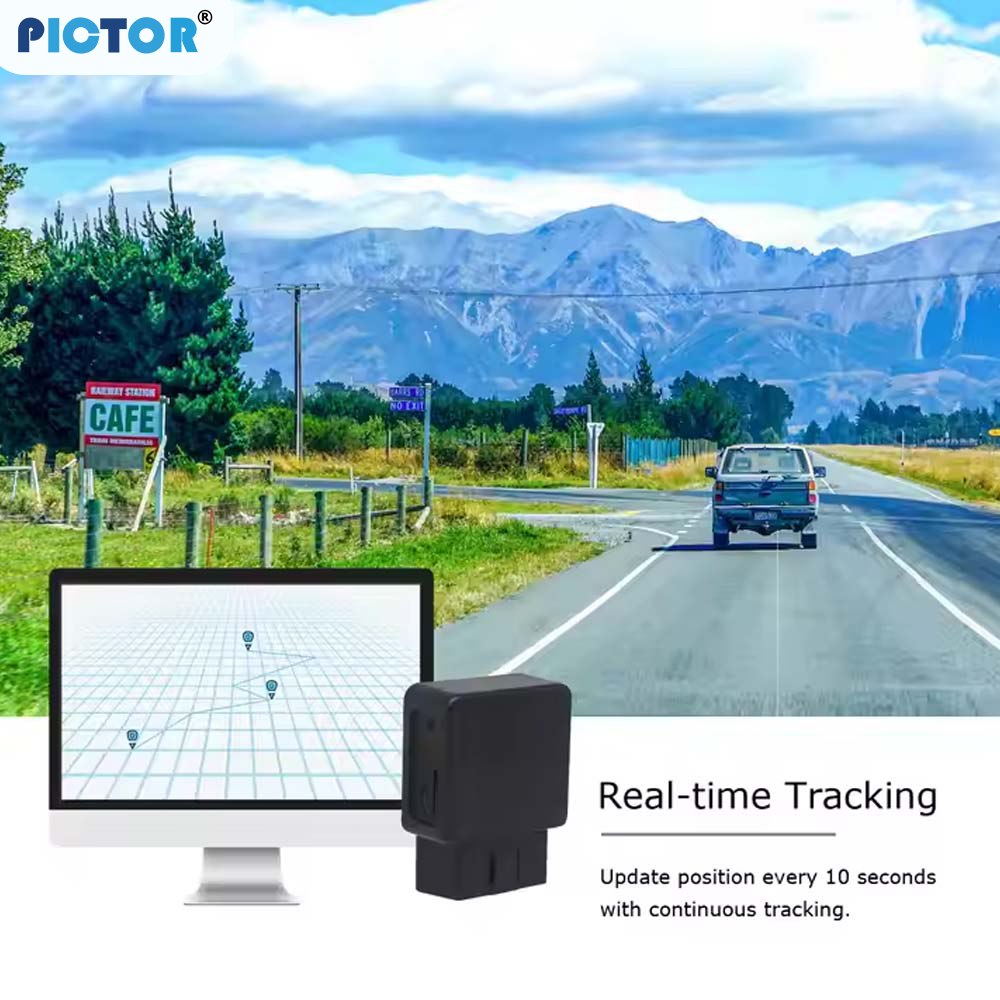
The OBD tracker reads data from the vehicle’s Engine Control Unit (ECU) via the OBD-II port. It simultaneously receives GPS satellite signals to determine position. The device uses cellular (4G/LTE) to send this data to a central server. Fleet managers and dispatchers access the information through a web or mobile dashboard—viewing live maps, trip history, speed, idling, and engine fault codes.
Data Points Captured
- Location: Real-time position, historical routes, geofence entry/exit
- Speed and mileage: Speed at any time, total distance, trip summaries
- Engine diagnostics: Fault codes (DTCs), check engine status
- Driver behaviour: Harsh braking, acceleration, idling (derived from ECU data)
- Fuel insights: Fuel level (where supported), consumption patterns
Why Every Fleet Needs an OBD GPS Tracker in 2026
Fleets of all sizes benefit from OBD trackers. Here’s why 2026 is the right time to adopt or expand OBD-based tracking.
1. Zero-Downtime Deployment
Plug-and-play means no workshop visits, no wiring, no vehicle downtime. Drivers or fleet staff can install devices in minutes. For expanding fleets or seasonal peaks, OBD trackers scale quickly without installation bottlenecks.
2. Theft Recovery and Security
Real-time tracking enables rapid recovery of stolen vehicles. Geofencing alerts when vehicles leave authorised zones. Tamper or power-loss alerts notify you if the device is disconnected. Insurance providers often offer discounts for tracked vehicles.
3. Maintenance Optimisation
Engine fault codes and mileage data support predictive maintenance. Schedule servicing before breakdowns occur. Reduce costly roadside failures and extend vehicle life. OBD data integrates with fleet management software for automated maintenance reminders.
4. Cost Control and Compliance
Monitor fuel usage, idling, and route efficiency. Identify costly driving patterns and address them through coaching. Meet compliance requirements for driver hours, speed limits, and vehicle usage with accurate, auditable data.
5. Customer Satisfaction
Provide accurate ETAs and live tracking to customers. Improve delivery and service efficiency. Transparency builds trust and reduces “where is my order?” inquiries.
OBD GPS Tracker vs. Hardwired Tracker
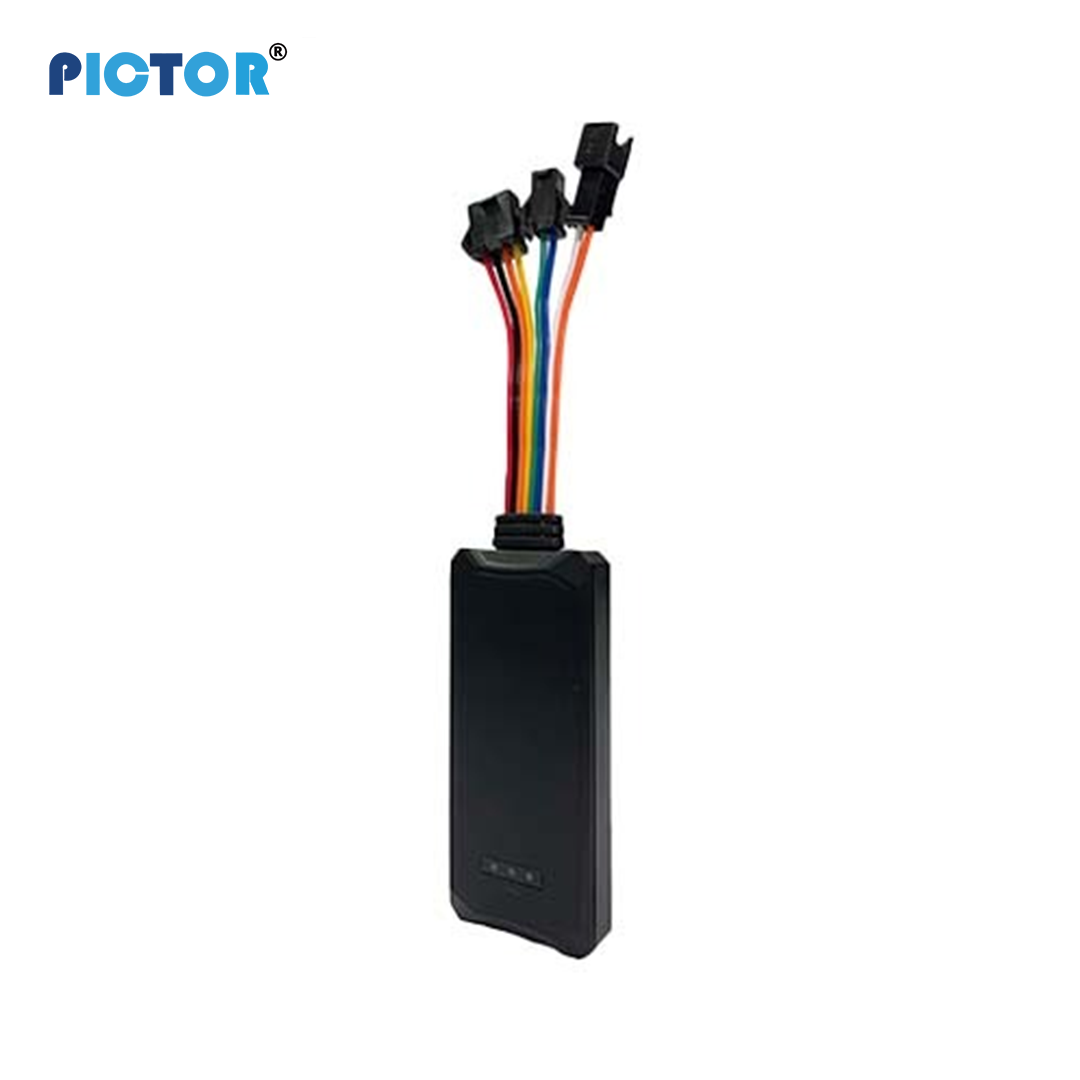
OBD trackers are easy to install and move between vehicles but can be unplugged. Hardwired trackers are more tamper-resistant and support 24/7 parking mode. Choose OBD for flexibility and rapid deployment; choose hardwired for maximum security and vehicles that need constant monitoring. Many fleets use OBD for cars and light vehicles, and hardwired for trucks and high-value assets. Our wired vs OBD comparison guide helps you decide. Explore all fleet management solutions for your needs.
How to Choose the Right OBD GPS Tracker for 2026
Consider 4G connectivity (2G/3G networks are being phased out), engine diagnostic support, cloud platform quality, and whether you need dashcam integration. Pictor Telematics offers OBD-compatible solutions with full fleet management, driver behaviour scoring, and optional dashcam add-ons. Evaluate your fleet size, vehicle types, and integration needs before selecting a provider.
Conclusion
An OBD GPS tracker is a plug-and-play telematics device that delivers real-time tracking, engine diagnostics, and driver behaviour insights with minimal installation effort. In 2026, every fleet can benefit from the visibility, security, and cost control that OBD trackers provide. Whether you’re starting fresh or expanding an existing telematics programme, OBD trackers offer a fast path to results.
Contact Pictor Telematics for OBD GPS tracker options tailored to your fleet. Request a free demo or call 1800 123 2632 to get started.
Related Images
Ready to upgrade your fleet?
Get a consultation focused on your current operating model, deployment constraints, and target outcomes.
Request ConsultationSources & further reading
Pictor guides
External references
Recommended next steps
- Review solution categories linked to this topic.
- Compare deployment options before finalizing specs.
- Validate rollout questions around installation, reporting, and support.
Founder Director & Chief Executive Officer
Written for fleet operators evaluating GPS tracking, telematics, and safety technology in India. Reviewed by Mr. Rajesh Kumar (Founder Director & Chief Executive Officer).