
How Driver Behaviour Monitoring Systems Reduce Accidents & Cut Fleet Costs
Driver behaviour monitoring systems (DBMS) are transforming fleet management by reducing accidents by up to 35%, lowering insurance premiums, and cutting operational costs. In 2026, fleets that invest in these technologies gain a measurable competitive edge through safer drivers, fewer claims, and optimised fuel consumption. This guide shows exactly how driver behaviour monitoring reduces accidents and cuts fleet costs—with real-world data and a clear implementation roadmap.
Whether you operate trucks, delivery vans, or passenger vehicles, understanding the link between driver behaviour and fleet economics is essential. We cover how DBMS works, the measurable results fleets achieve, cost-saving mechanisms, and step-by-step implementation for 2026.

Driver behaviour monitoring delivers measurable safety and cost benefits
How Driver Behaviour Monitoring Systems Reduce Accidents
Driver behaviour monitoring systems use in-vehicle sensors, dashcams, and telematics to detect risky behaviours in real time. Harsh braking, rapid acceleration, speeding, cornering, distraction, and fatigue are captured and analysed. When a driver exceeds safe thresholds, the system triggers an in-cab alert—giving the driver immediate feedback to correct their behaviour before an incident occurs.
Key Behaviours That Lead to Accidents
Studies show that harsh braking and rapid acceleration correlate strongly with collision risk. Speeding increases stopping distance and severity of impact. Distraction—phone use, eating, fatigue—delays reaction time. Driver behaviour monitoring identifies these patterns and enables targeted coaching. Fleets using DBMS report 20–35% fewer at-fault accidents within the first year of implementation.
Real-Time Alerts vs. Post-Event Coaching
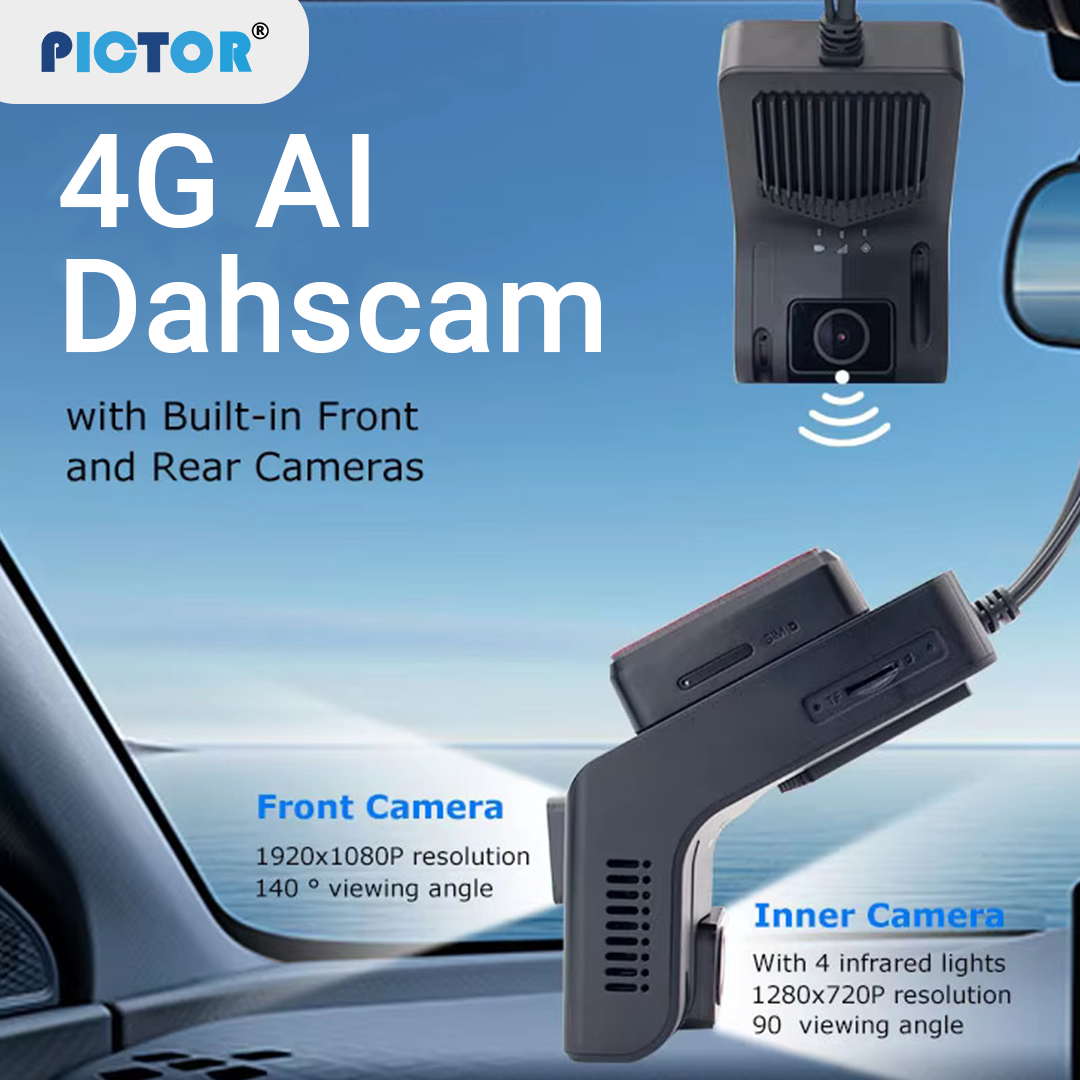
Real-time audible or haptic alerts prompt drivers to correct behaviour immediately. Post-trip coaching uses event footage and scores to reinforce training. The combination of both approaches delivers the best results. Pictor Telematics dashcams with integrated DMS (Driver Monitoring Systems) offer both—real-time alerts for critical events and detailed reports for fleet managers.
How Driver Behaviour Monitoring Cuts Fleet Costs
The cost savings from driver behaviour monitoring extend across multiple categories. Here’s a breakdown of where fleets see measurable returns.
1. Insurance Premium Reduction
Insurance providers increasingly offer discounts (typically 10–25%) for fleets with verified telematics and driver behaviour monitoring. The logic is simple: monitored fleets have fewer claims and lower claim severity. Evidence from dashcams accelerates claim resolution and reduces dispute costs. Some insurers require certified devices—Pictor Telematics solutions meet these requirements.
2. Fuel Savings
Aggressive driving—hard braking, rapid acceleration, excessive idling—wastes 15–30% more fuel than smooth driving. Driver behaviour monitoring identifies fuel-inefficient patterns and enables coaching. Fleets commonly achieve 15–20% fuel savings after implementing behaviour scoring and driver training programmes. For deeper fuel theft prevention, consider our fuel monitoring solution alongside behaviour monitoring.
3. Maintenance Cost Reduction
Harsh driving accelerates wear on tyres, brakes, and drivetrains. Monitoring reduces aggressive behaviour, extending asset life and lowering maintenance spend. Combined with predictive maintenance from engine data, fleets can schedule servicing more efficiently.
4. Reduced Downtime and Claims
Fewer accidents mean less vehicle downtime and lower repair costs. Faster claim resolution—thanks to dashcam footage—reduces administrative burden and legal fees. Liability disputes are often settled quickly when video evidence is available.
Implementation and ROI: What to Expect
Successful implementation requires hardware (dashcams, GPS trackers, or integrated units), software (fleet management platform with behaviour scoring), and a driver engagement strategy. Start with a pilot on 10–20% of vehicles to validate ROI before full rollout.
Typical ROI Timeline
- Months 1–3: Installation, calibration, baseline data collection. Drivers adapt to alerts.
- Months 4–6: Incident rates begin to drop. Fuel and insurance trends improve.
- Months 6–12: Full ROI typically achieved. Savings outweigh hardware and subscription costs.
Choosing the Right Driver Behaviour Monitoring Solution
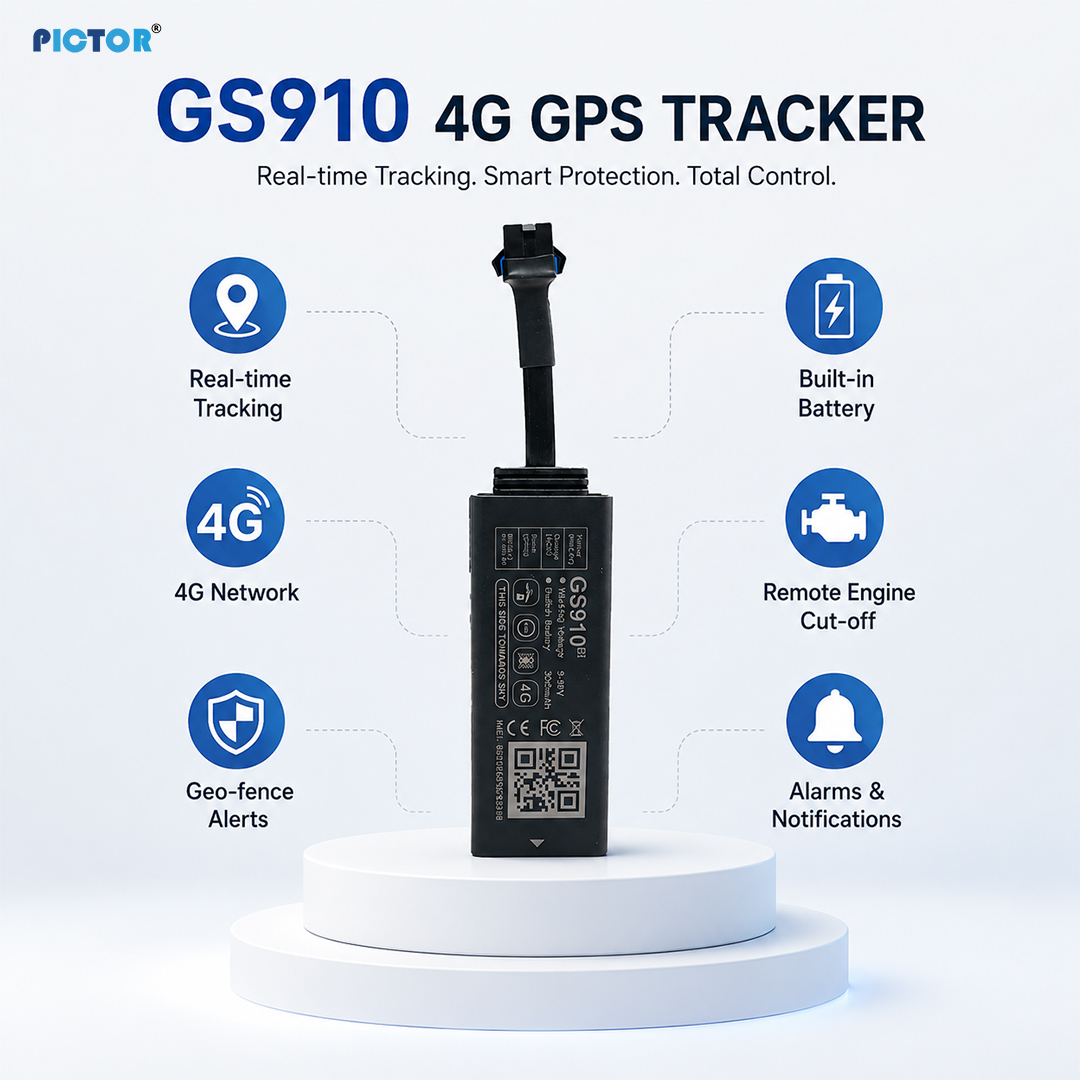
Options range from basic GPS-based behaviour scoring (speed, harsh events) to advanced dashcams with AI-powered DMS (fatigue, distraction, phone use). For fleet-focused safety and cost reduction, integrated dashcam-DMS solutions deliver the best outcomes. Look for real-time alerts, cloud storage, fleet management integration, and insurer certification. Compare GPS trackers vs dashcams to find the right fit for your fleet.
Pictor Telematics offers dashcams with built-in driver behaviour monitoring—including the PIOTOR G900 and D1200 with ADAS and DMS. These combine video evidence with behavioural analytics for comprehensive fleet safety and cost control.
Conclusion
Driver behaviour monitoring systems reduce accidents by detecting and correcting risky behaviours in real time. They cut fleet costs through lower insurance premiums, fuel savings, reduced maintenance, and faster claim resolution. In 2026, fleets that adopt these technologies will outperform those that rely on traditional management alone.
Investing in driver behaviour monitoring is investing in safety and profitability. Contact Pictor Telematics for a free consultation and demo—discover how our solutions can help your fleet reduce accidents and cut costs in 2026.
Related Images
Ready to upgrade your fleet?
Get a consultation focused on your current operating model, deployment constraints, and target outcomes.
Request ConsultationSources & further reading
Pictor guides
External references
Recommended next steps
- Review solution categories linked to this topic.
- Compare deployment options before finalizing specs.
- Validate rollout questions around installation, reporting, and support.
Founder Director & Chief Executive Officer
Written for fleet operators evaluating GPS tracking, telematics, and safety technology in India. Reviewed by Mr. Rajesh Kumar (Founder Director & Chief Executive Officer).