

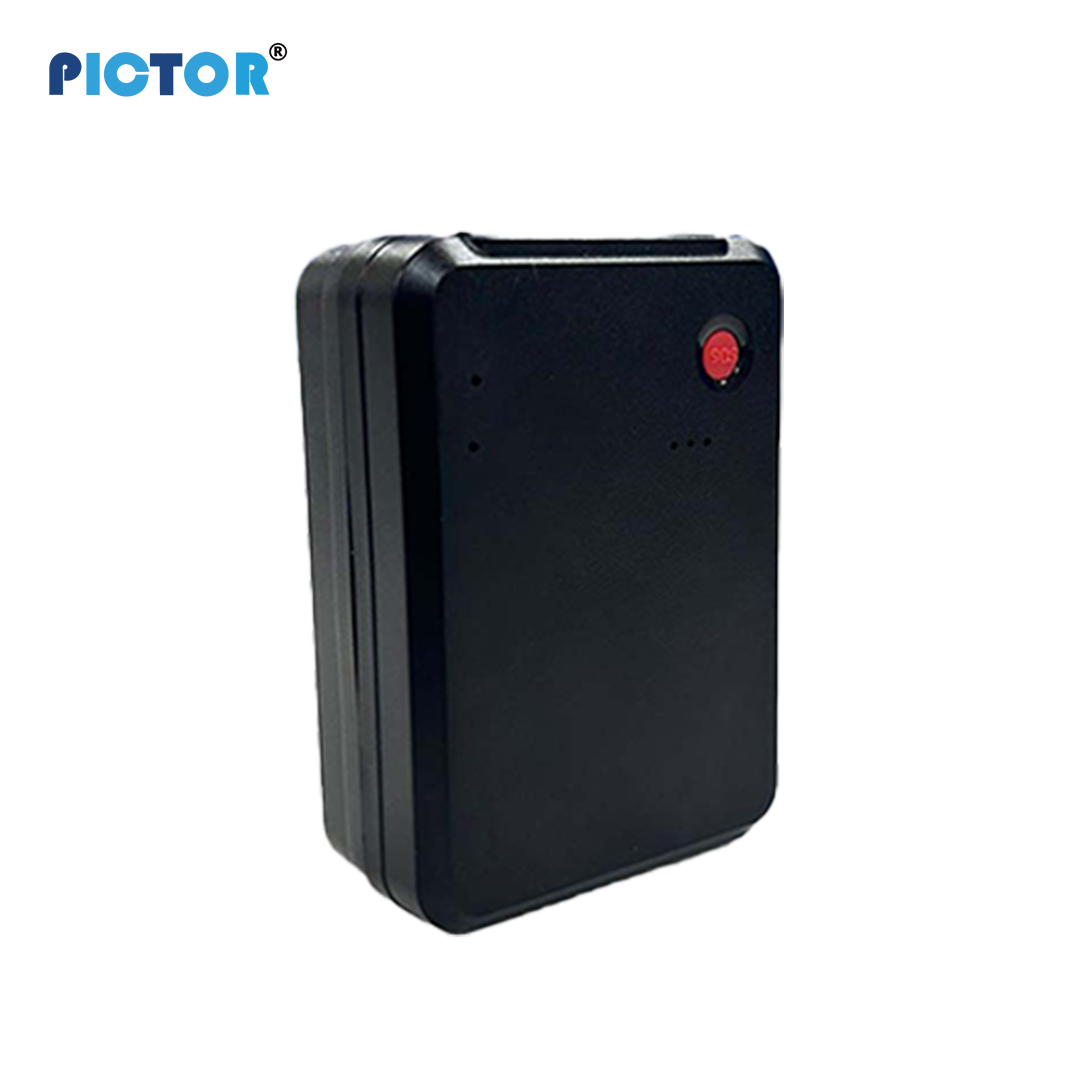
P08 10000mAh 4G Wireless GPS Asset Tracker for Fleet
P08 is a 4G magnetic GPS tracker with a powerful 10000mAh battery, designed for long-term real-time vehicle and asset tracking with geo-fencing and vibration alerts.
About P08 10000mAh 4G Wireless GPS Asset Tracker for Fleet
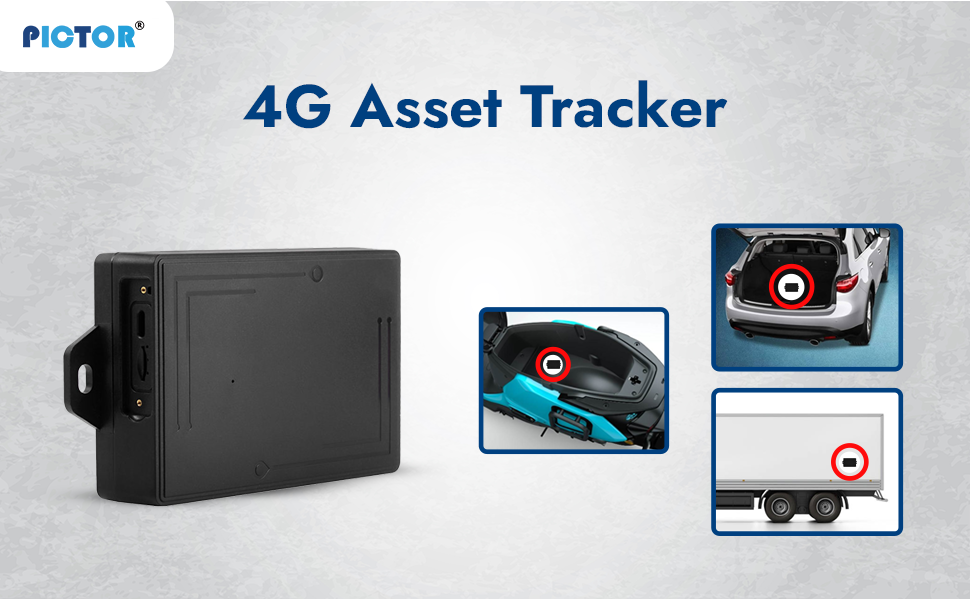
The P08 Magnet GPS Tracker is a compact and high-capacity 4G tracking device engineered for reliable real-time monitoring. Equipped with GPS/BDS/LBS positioning and a built-in 10000mAh rechargeable battery, it ensures extended standby and operational performance. The strong magnetic body allows quick and secure installation on metal surfaces without wiring. It supports intelligent tracking mode, power-saving mode, SOS emergency alert, geo-fence protection, vibration alarm, and trace playback, making it suitable for vehicle security and asset management applications.
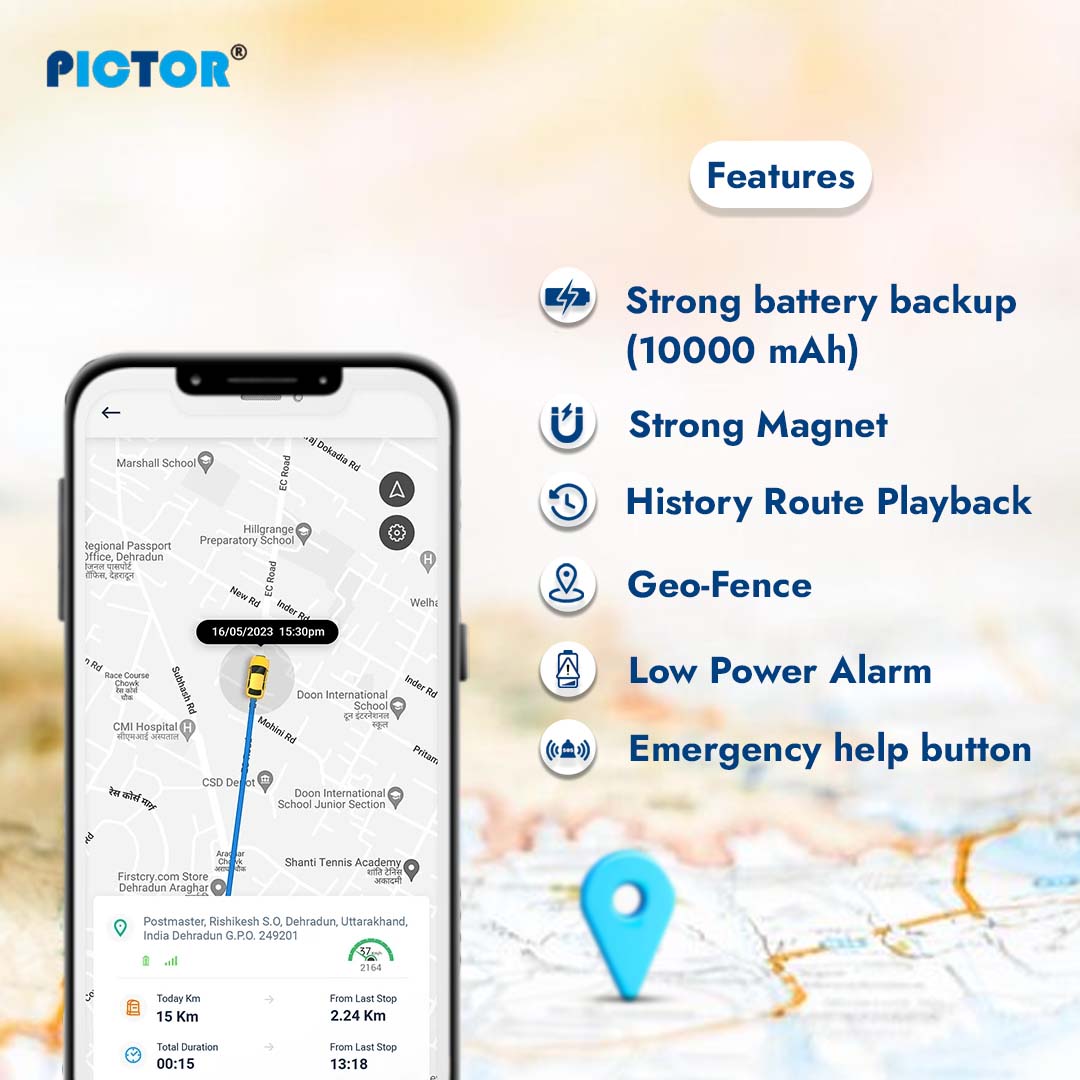
- 10000mAh high-capacity battery for extended standby
- Built-in magnet for secure and hidden installation
- Live GPS location updates
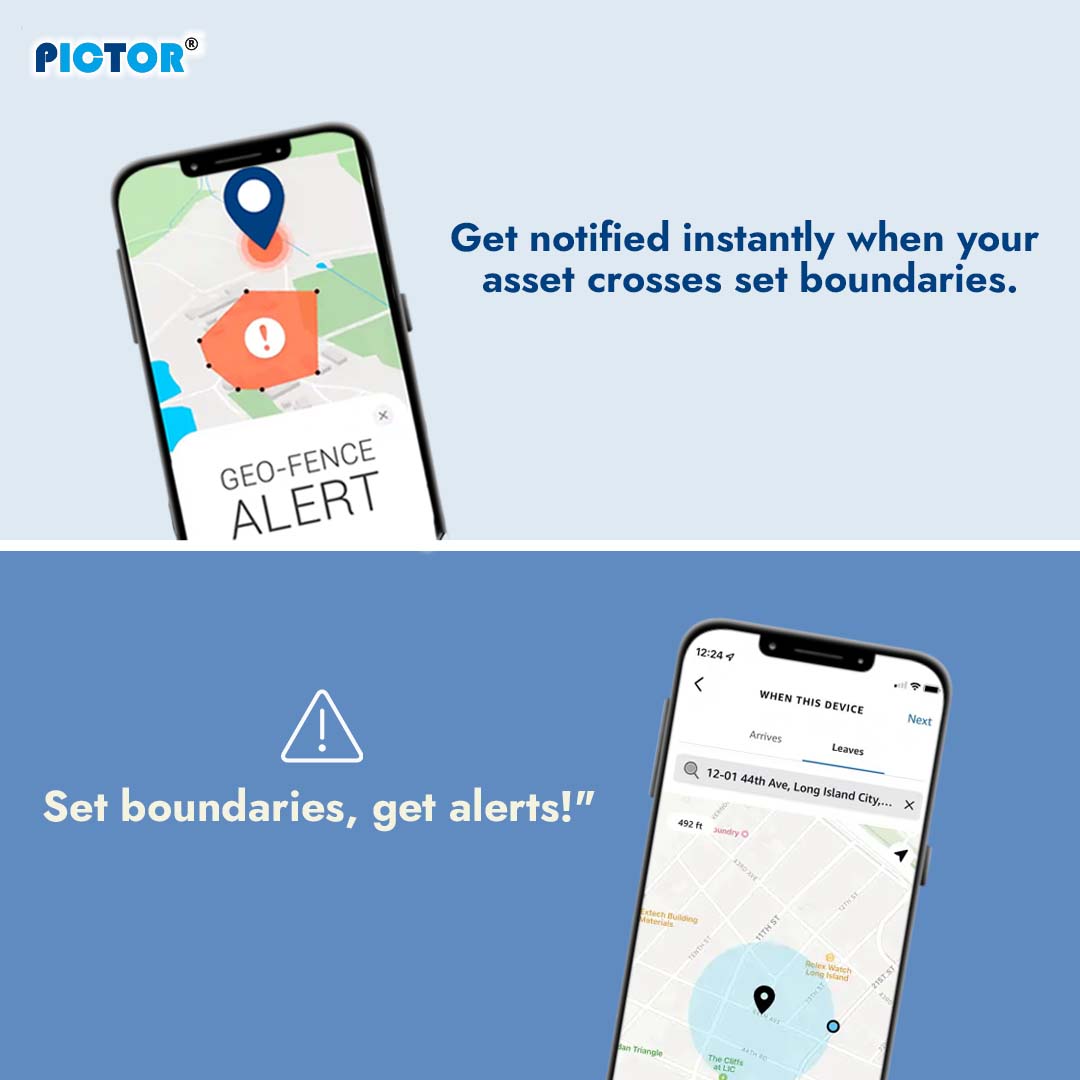
- Set safety boundaries with entry/exit alerts
- Enhanced perimeter security monitoring
Key highlights
Product features
Evaluate these capabilities against your route profile, risk controls, and team workflows.
- 10000mAh high-capacity battery for extended standby
- Built-in magnet for secure and hidden installation
- Live GPS location updates
- Set safety boundaries with entry/exit alerts
- Enhanced perimeter security monitoring
- View historical movement routes
- Instant alert when movement is detected
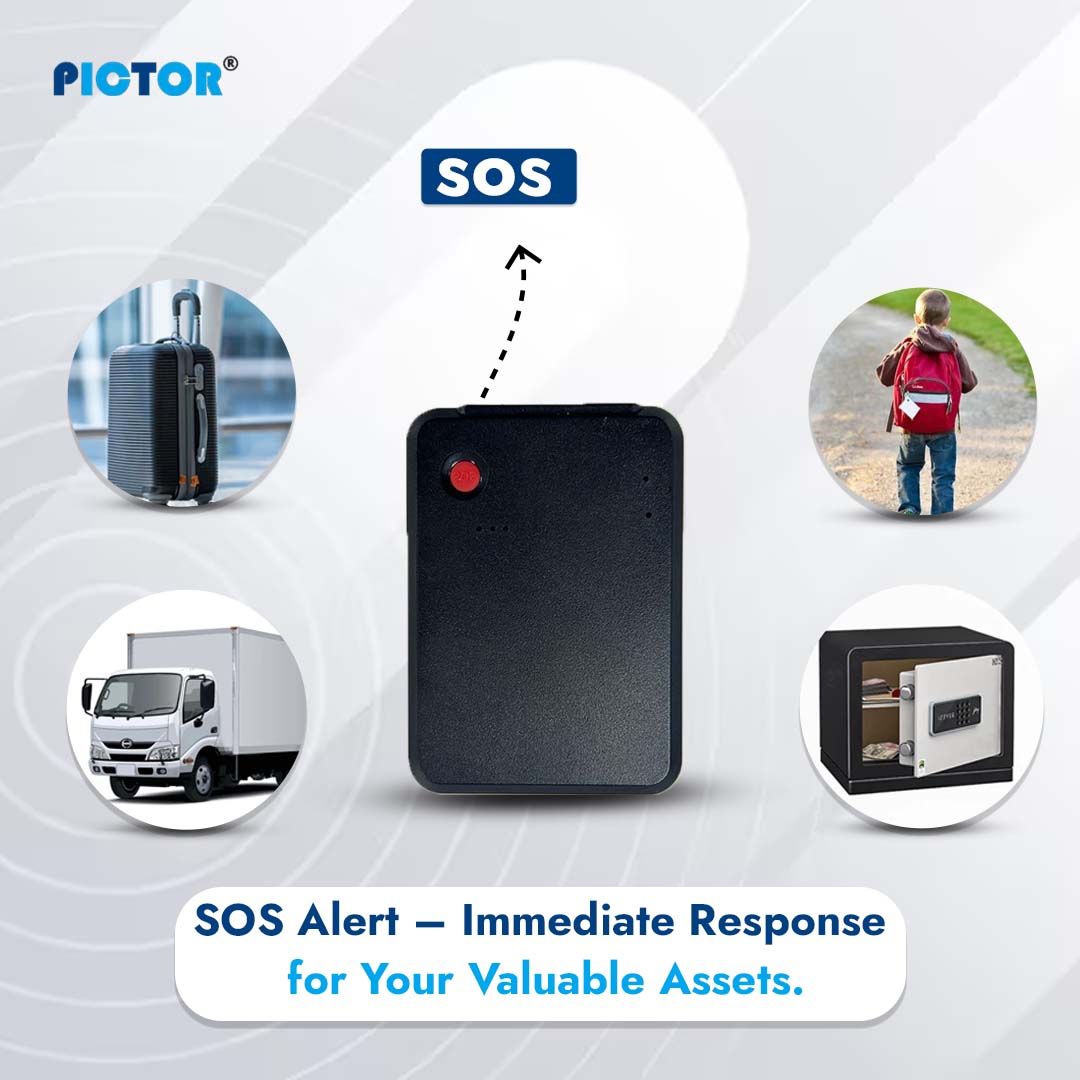
- 3-second press activates emergency alert
- GSM (Yellow), GPS (Blue), Charging (Red)
- Intelligent Mode and Power Saving Mode
Technical specifications
Use this table for compatibility checks, deployment planning, and integration review.
| Model | P08 |
|---|---|
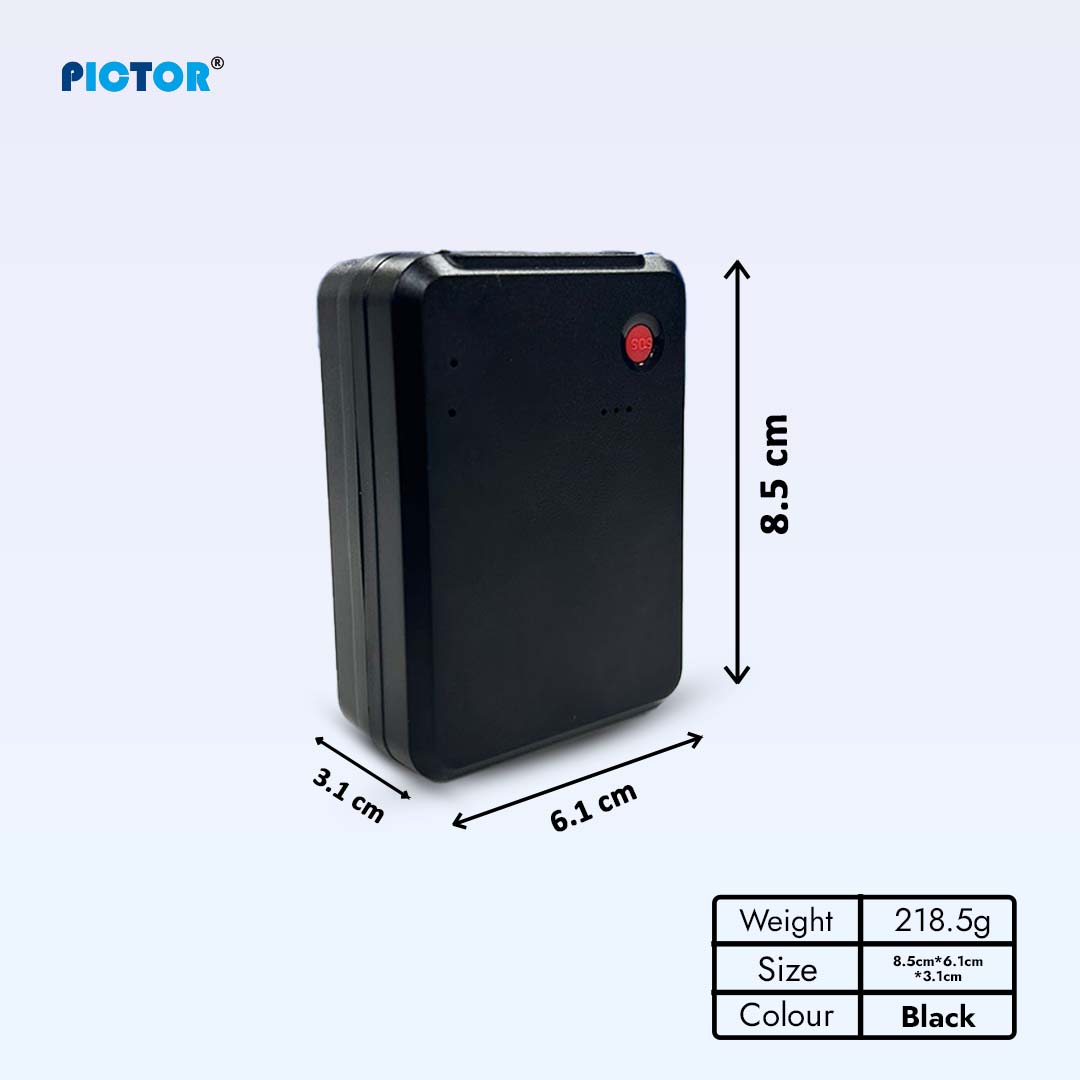
| Dimensions | 80mm × 55mm × 30mm |
| Weight | 220g |
| Battery | 10000mAh Built-in Rechargeable Battery |
| Network | 4G GSM |
| Positioning | GPS / BDS / LBS |
| Positioning Accuracy | <30 meters |
| SIM Type | Nano SIM (11×8mm) |
| Working Temperature | -20°C to +60°C |
| Charging Port | Type-C USB |
| Positioning Systems | GPS + BeiDou (BDS) + LBS |
| Intelligent Mode Upload Interval | Configurable (Recommended 60 seconds) |
| Heartbeat Packet Interval | Recommended 180 seconds |
| Power Saving Mode Cycle | Minimum 30-minute wake-up interval |
| SMS Command Support | Master Number Binding, Status Query, Device Restart, Factory Reset, Server IP & Port Configuration, APN Setup |
| Operating Temperature Range | -20°C to +60°C |
Key features
- 10000mAh high-capacity battery for extended standby
- Built-in magnet for secure and hidden installation
- Live GPS location updates
- Set safety boundaries with entry/exit alerts
- Enhanced perimeter security monitoring
- View historical movement routes
- Instant alert when movement is detected
- 3-second press activates emergency alert
- GSM (Yellow), GPS (Blue), Charging (Red)
- Intelligent Mode and Power Saving Mode
Frequently asked questions
Ready to upgrade your fleet safety?
Get a scoped quote, schedule a demo, and validate rollout fit with our product team.
Request demoRelated products
More models you may want to compare.
45G 10000mAh 4G Long Battery Wireless Asset Tracker for Fleet
45 G is a rechargeable magnetic Asset GPS Tracker with 10000mAh battery capacity, supporting 2G/4G LTE networks, real-time tracking, anti-re...
View product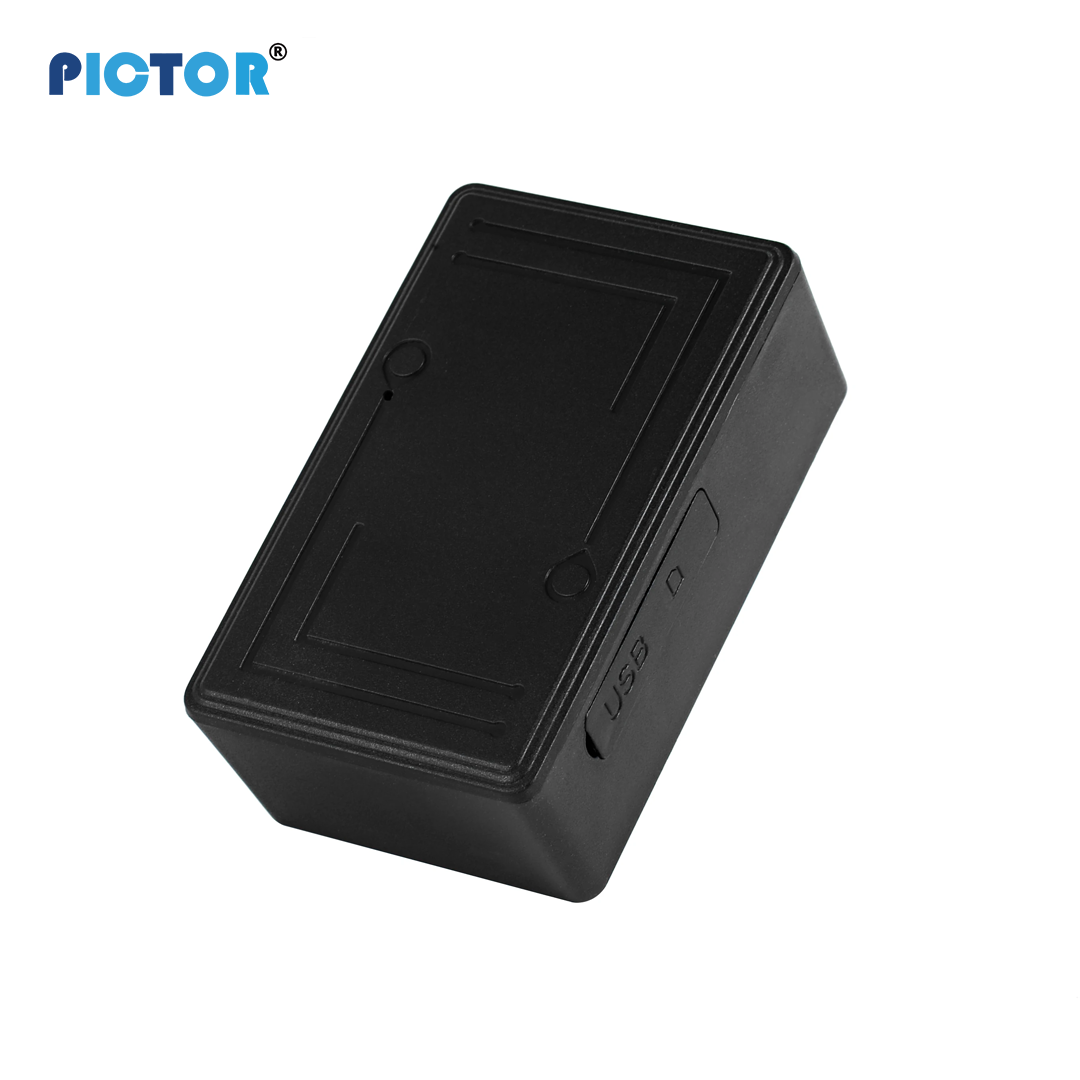
G57 3000mAh 4G Wireless Asset Tracker for Logistics & Fleet
Compact magnetic 2G GPS asset tracker with 3000mAh battery, real-time tracking, geo-fence alerts, and remote voice monitoring support.
View product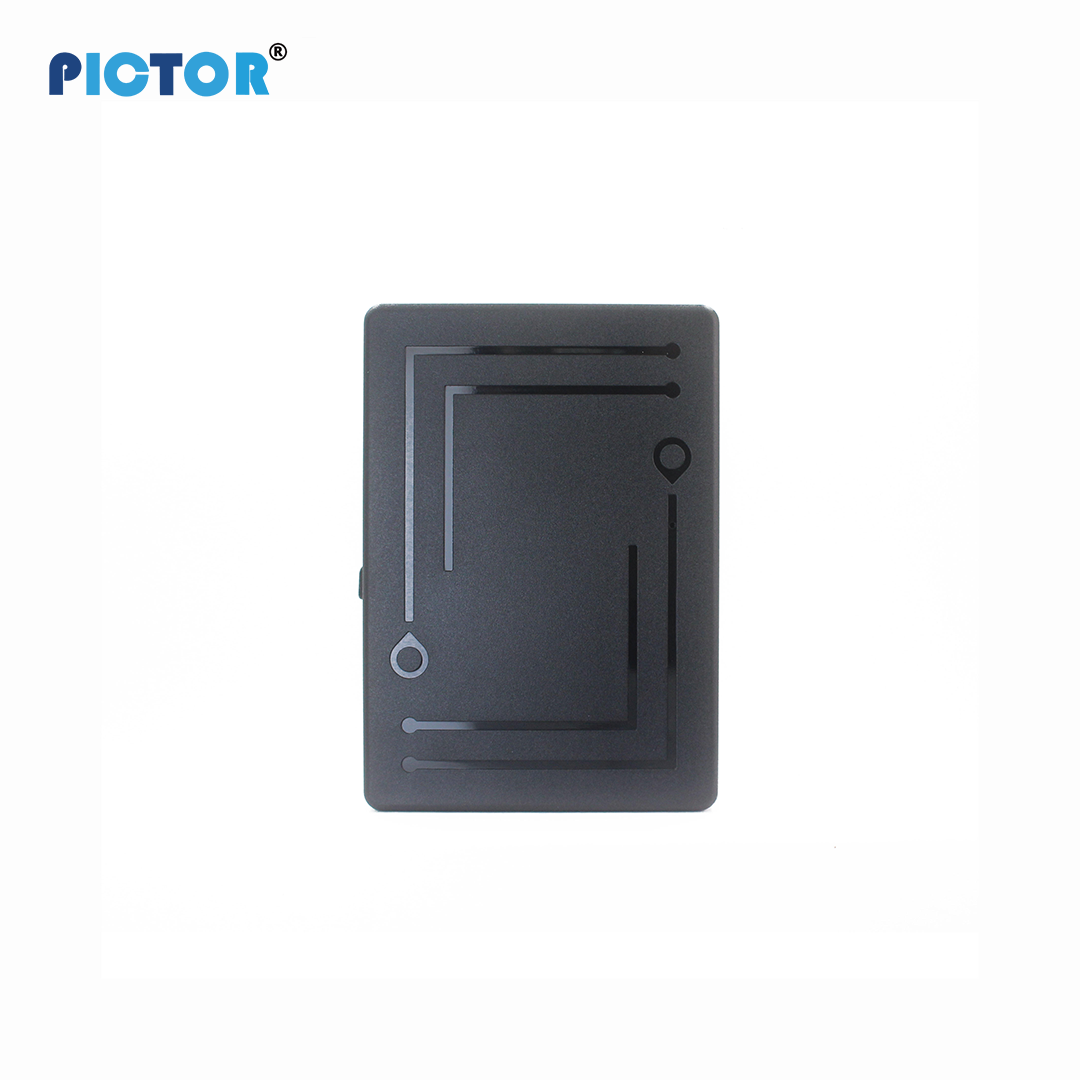
G5A 6000Mah — G5A
G5A - Wireless Asset Tracker from Pictor Telematics.
View product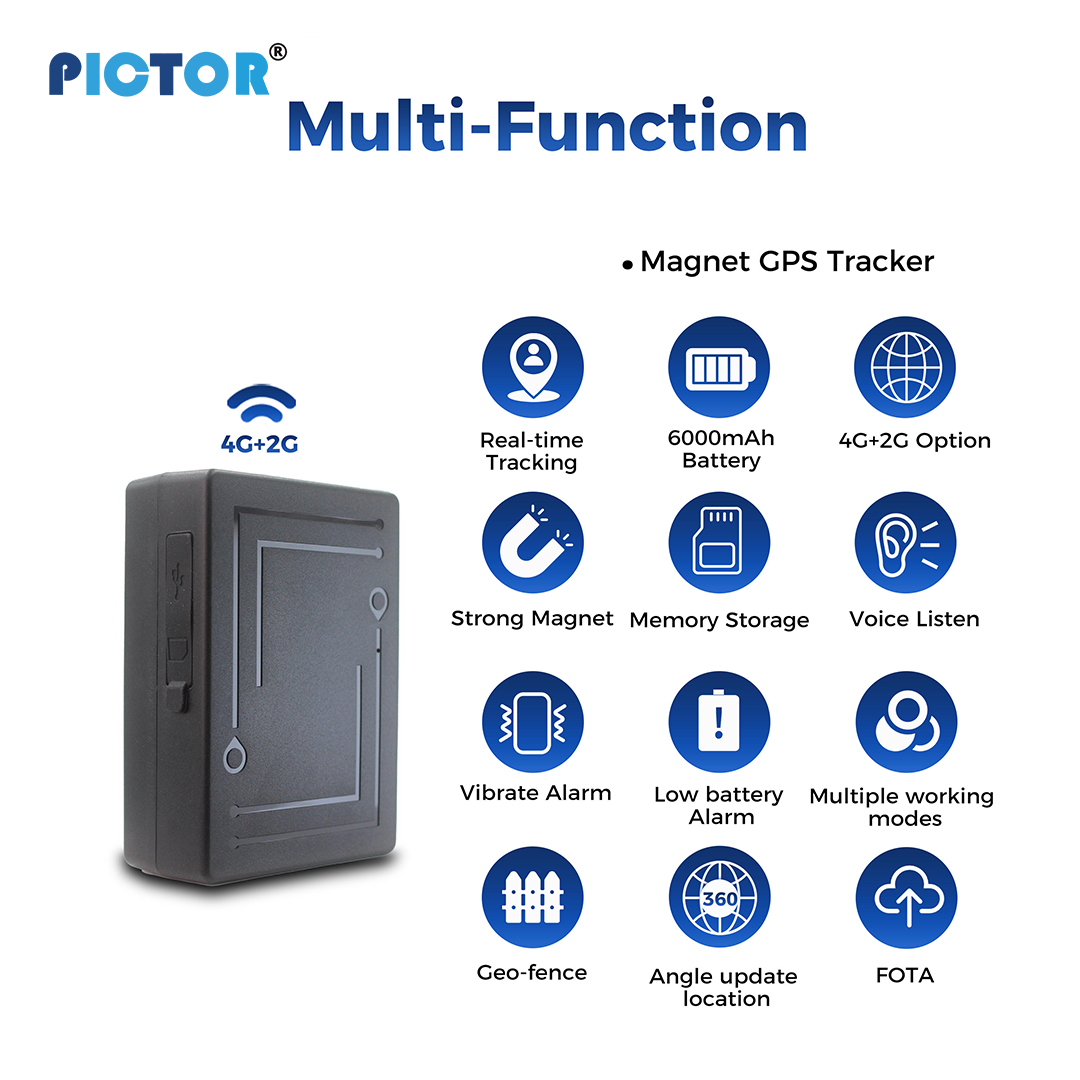
G5A 6000Mah — G5A 1
G5A 1 - Wireless Asset Tracker from Pictor Telematics.
View productWritten by
Pictor Telematics Product Documentation Team · Specifications and Deployment Guidance
Reviewed by
Mr. Rajesh Kumar · Founder Director & Chief Executive Officer
Published
Jan 15, 2024
Last reviewed
Apr 10, 2026
Validation approach
Product information is reviewed against technical specifications, installation constraints, and operational usage patterns from deployments since 2014.