
How to use this page for evaluation
- Confirm whether your operating pattern matches this scenario.
- Map the workflow changes needed for dispatch, safety, and reporting teams.
- Review related solutions and compare deployment models before purchase.
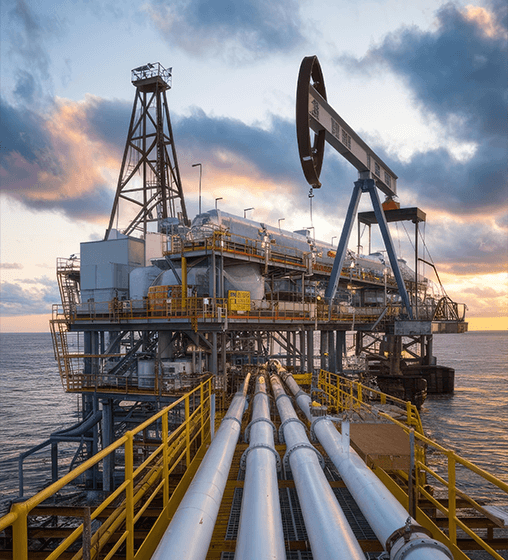
Industry Background: Hazmat Transport Demands Maximum Control
Hazardous chemical transport in India carries elevated safety, environmental, and legal exposure. Tankers moving flammable, toxic, and corrosive materials require strict movement control and tamper prevention throughout the route lifecycle. A single unauthorized access event can trigger product loss, leakage risk, emergency response burden, and regulatory consequences.
High-Risk Cargo Characteristics
Chemical loads require secure handling because theft, contamination, or leakage can create severe downstream safety and liability impact.
Why Legacy Controls Fall Short
Manual locks and paper logs do not provide real-time alerting, enforceable access control, or objective event evidence.
The Problem: Theft, Tampering, and Monitoring Gaps
A chemical manufacturer transporting liquid chemicals between plants and hubs faced repeated transit risk. Unauthorized access to tanker valves, suspicious route stops, and delayed incident detection created product loss and elevated hazard exposure. Without integrated telemetry and evidence, accountability and response speed were limited.
Unauthorized Valve/Access Opening
Tankers were occasionally accessed during transit, enabling illegal siphoning and increasing operational risk.
Transit Theft in Isolated Stops
Unsanctioned halts at non-approved points created opportunity for partial cargo removal.
No Continuous Real-Time Visibility
Once dispatched, teams lacked full location intelligence, stop governance, and live route exception tracking.
Critical Tampering Safety Exposure
Unauthorized access increased risk of leakage, fire hazards, and environmental damage.
Weak Incident Proof and Dispute Resolution
Theft and compliance disputes were hard to investigate without time-linked access and visual evidence.
Compliance Pressure
Hazmat movement required stronger monitoring controls to avoid procedural and regulatory gaps.
The Solution: E-Lock + GPS + Dashcam Hazmat Security Stack
The company deployed PL610/PL620 smart E-locks on tanker access points, integrated GPS tracking for route intelligence, and T98 dashcams for visual context. This created a unified control architecture for access prevention, movement visibility, and event-backed response.
Smart E-Lock Deployment
Electronic locks were installed on tanker valves and door/access interfaces with authorization-based open control.
Real-Time GPS Monitoring
Each tanker transmitted live location, route progression, and stop behavior to central operations.
Instant Tamper and Access Alerts
Unauthorized open attempts, forced lock events, or abnormal access triggered immediate notifications.
Dashcam-Based Context Monitoring
Road and cabin/cab context was recorded to validate suspicious stops and incident sequences.
Route and Stop Discipline
Approved route adherence and deviation detection reduced unsanctioned movement patterns.
Time/Location Access Rules
Unlock permissions were restricted to defined delivery points and authorized time windows.
Central Control Dashboard
Operations teams monitored tanker position, lock status, and alerts from one command interface.
Operational Impact After Deployment
The shift to event-driven security transformed tanker governance. Unauthorized access events dropped sharply, issue detection moved from post-delivery to real-time, and route discipline improved across the transport network.
Unauthorized Access Prevention
Digital access control effectively stopped in-transit unauthorized opening behavior.
Real-Time Theft Interception
Immediate lock and tamper alerts enabled faster response before loss escalation.
Complete Movement Visibility
Control room teams gained continuous location and stop intelligence for all active tankers.
Safer Transport Conditions
Reduced tampering risk lowered leakage and hazard exposure during route execution.
Evidence-Backed Accountability
Dashcam records and lock telemetry improved incident closure and reduced disputes.
Measured Outcomes and Business Value
Post-implementation, the company reported significant reduction in chemical theft exposure, elimination of unauthorized access events, improved safety posture, stronger compliance control, and higher operational confidence across hazmat lanes.
Where This Model is Most Effective
This architecture is ideal for chemical tankers, fuel tankers, hazardous liquid movement, and industrial distribution corridors where access control and safety assurance are mission-critical.
Recommended Deployment Setup
For best results, secure tanker valves/access points with PL610/PL620 smart E-locks, enable GPS tracking on every tanker unit, and deploy T98 dashcam for route and in-cab context. Pair with SOPs for alert escalation, emergency response, and compliance documentation.
Final Takeaway
Hazmat transport cannot rely on manual controls. Smart access security, live movement intelligence, and continuous visual monitoring are essential to prevent theft, protect safety, and maintain compliance in chemical logistics.
GPS Tracking for Oil & Gas
Explore tailored solutions for your sector. View Oil & Gas industry solutions
Explore Related Solutions
Frequently Asked Questions
Want to Validate This Use Case on Your Fleet?
Share your vehicle count, operating geography, and KPI target so we can recommend an implementation path grounded in your operational reality.