
How a Fuel Sensor for Trucks 2025 Reduces Wastage & Improves Efficiency
Fuel is one of the largest operational costs for trucking and logistics companies. In 2025, fuel sensors for trucks have become essential tools to combat theft, monitor consumption, and optimize efficiency. These devices provide real-time fuel level monitoring, detect unauthorized refueling or drainage, and help identify inefficient driving and vehicle maintenance issues.
This comprehensive guide explains how fuel sensors work, the different types available, key specifications, and how to choose and implement the right fuel sensor for your fleet. We feature Pictor Telematics' Strela and CLS fuel sensor range, trusted by thousands of Indian fleet operators. See our fuel monitoring solution and fuel theft prevention use cases for more.

Fuel sensors help fleets cut waste and improve efficiency
How Does a Fuel Sensor Work in Trucks?
Fuel sensors typically use ultrasonic or capacitive principles to measure fuel level. Ultrasonic sensors emit sound waves that reflect off the fuel surface; travel time indicates depth. Capacitive sensors measure the dielectric constant of the fuel-air mix. The sensor sends data to a GPS tracker or telematics unit, which transmits it to a cloud platform for monitoring and alerts.
Advanced systems differentiate between normal consumption and sudden drops (theft or leakage), track refueling events, and correlate fuel use with routes and driver behavior. Integration with fleet management software enables trend analysis and actionable insights.
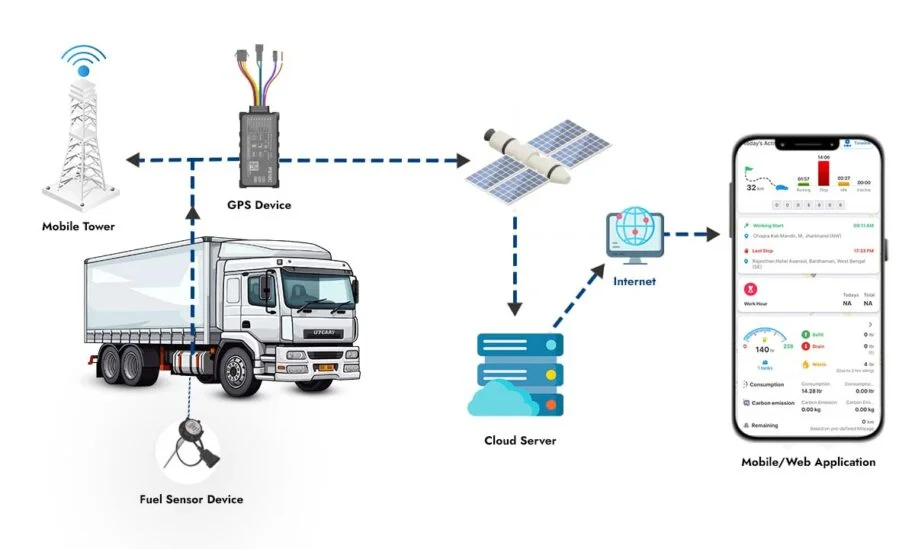
Understanding fuel sensor technology
Different Types of Fuel Sensors Available
Fuel sensors come in several form factors:
- In-tank ultrasonic: Mounted inside the fuel tank; highly accurate, suitable for factory or retrofit installation.
- External/cap-mounted: Attached to the tank cap or top; easier retrofit, works with various tank shapes.
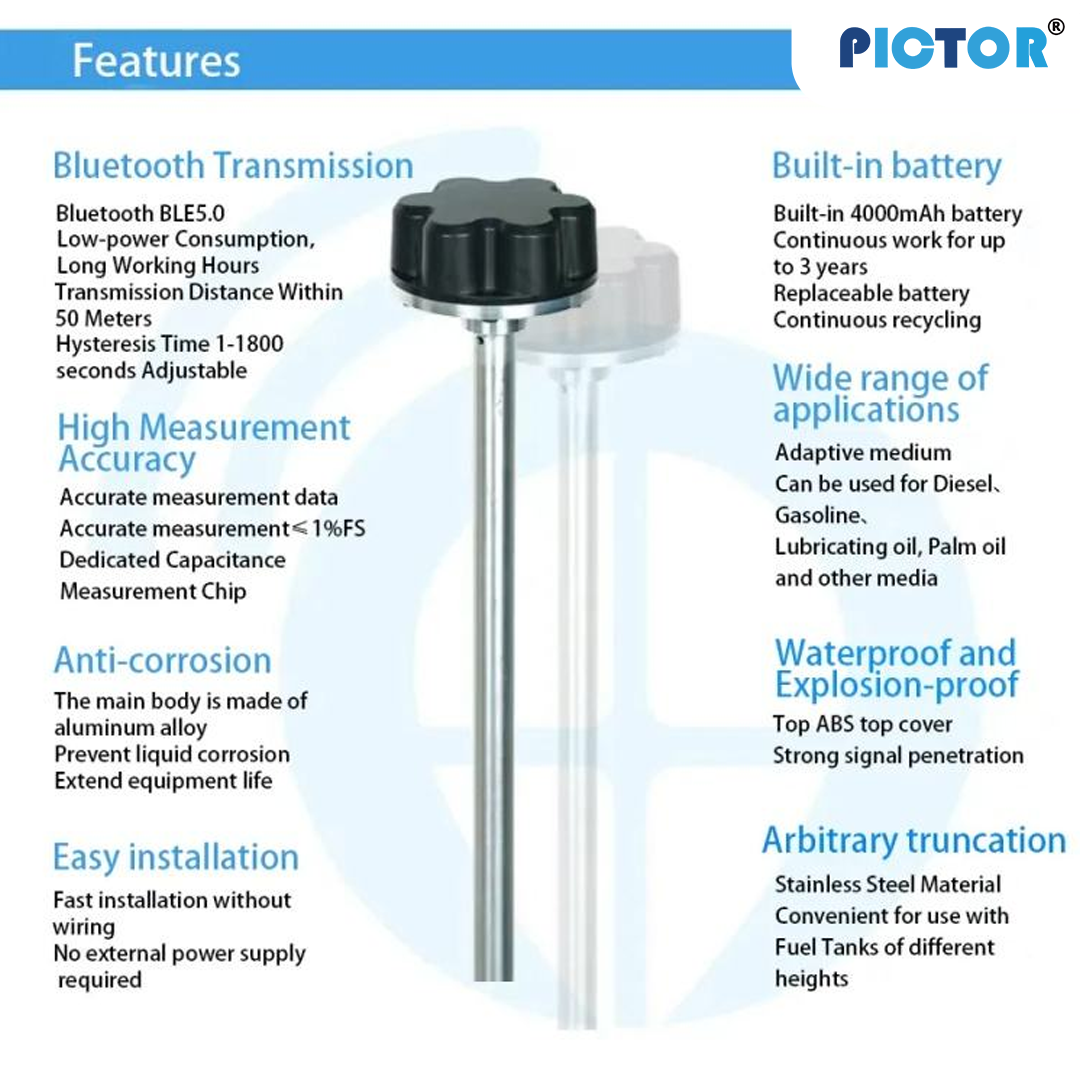
- Wireless: Battery or solar-powered; ideal for trailers or tanks without wiring access.
- Capacitive: Often used for diesel; robust in varying temperatures and fuel qualities.
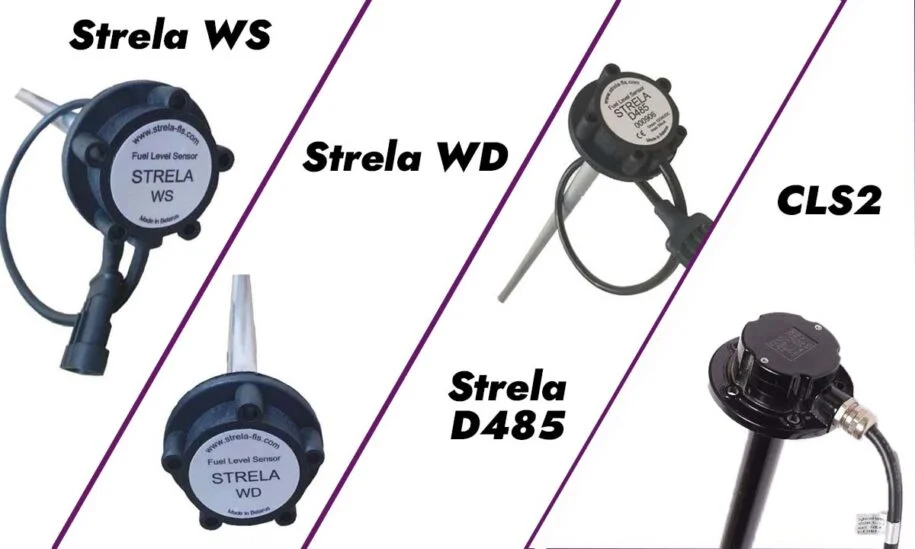
Fuel sensor types for different truck configurations
Pictor Telematics Fuel Sensor Solutions
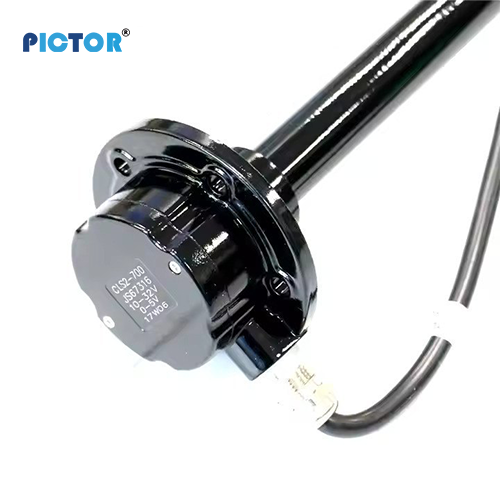
Pictor offers the Strela series (WS, WD, D485) and CLS2 fuel level sensors. Strela WS is a wired ultrasonic sensor; Strela WD is wireless for flexible installation. Strela D485 serves as a fuel level indicator with display. CLS2 is a compact, accurate ultrasonic sensor for demanding environments. All integrate with Pictor's GPS trackers and fleet management platform. Compare GPS vs fuel monitoring to choose the right approach for your fleet.
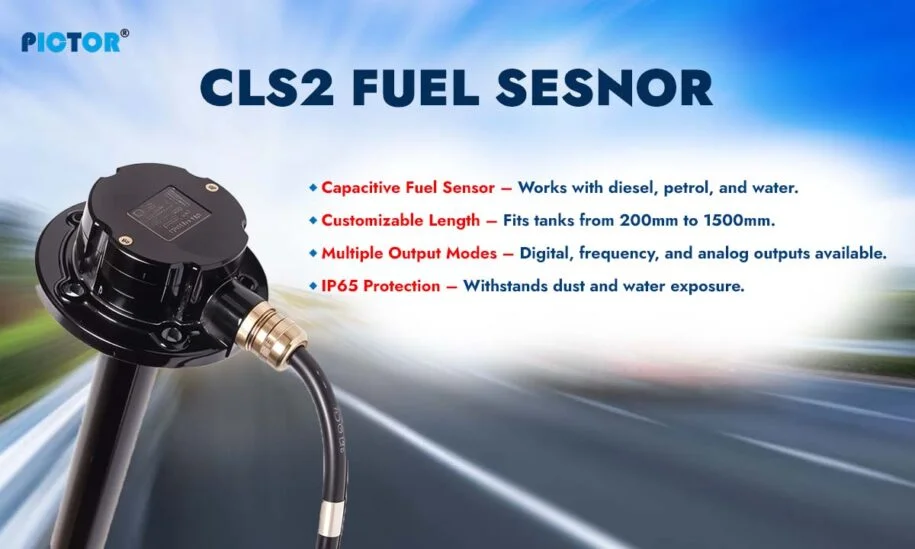
CLS2 fuel level sensor
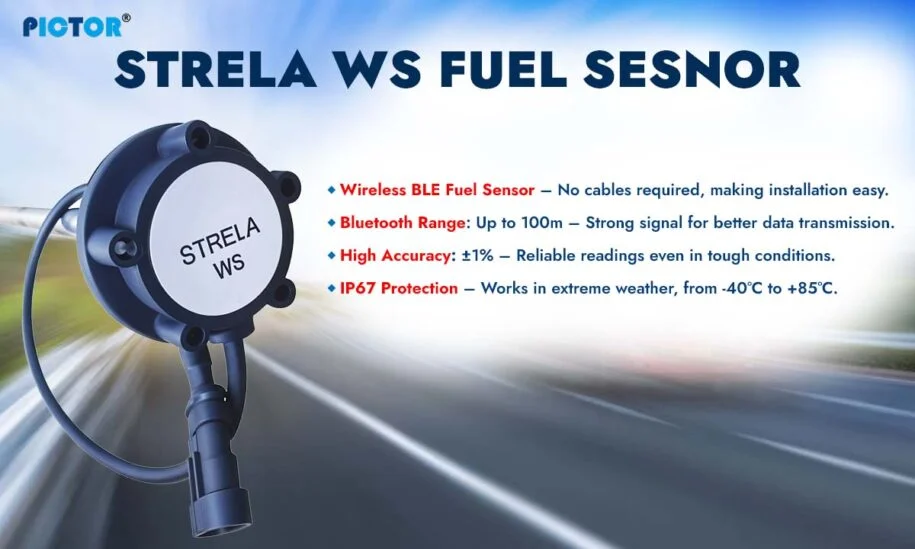
Strela WS fuel level sensor

Wireless Strela WD fuel sensor
Understanding Fuel Sensor Specifications and Features
Key specs include accuracy (typically ±1–3%), operating temperature range, power requirements, communication protocol (CAN, analog, wireless), and compatibility with tank material and shape. Look for theft detection algorithms, low-fuel alerts, refuel event logging, and integration with your existing telematics platform.
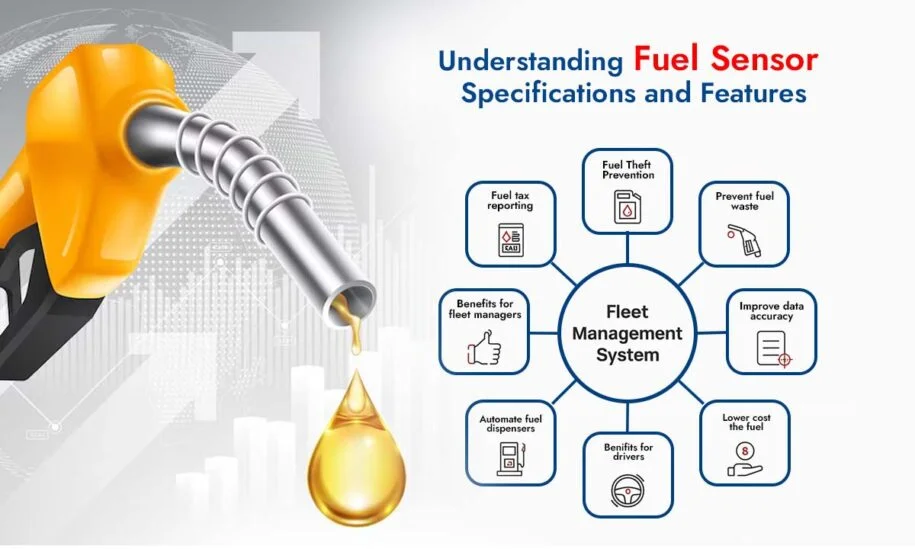
Fuel sensor specifications to evaluate
Importance of Choosing the Right Fuel Sensor
A poorly chosen or installed fuel sensor can deliver inaccurate data, leading to false theft alerts or missed incidents. Tank shape, fuel type, mounting options, and fleet size all influence the best choice. Professional installation ensures calibration and reliable operation. Pictor Telematics offers site surveys and installation support across India.

Choosing the right fuel sensor matters for accuracy and ROI
Conclusion
Fuel sensors for trucks in 2025 are essential for reducing wastage, preventing theft, and improving fleet efficiency. Choose the right type and manufacturer, ensure proper installation, and integrate with your telematics platform for maximum benefit. Contact Pictor Telematics for expert guidance and a free demonstration.
Related Images
Ready to upgrade your fleet?
Get a consultation focused on your current operating model, deployment constraints, and target outcomes.
Request ConsultationRecommended next steps
- Review solution categories linked to this topic.
- Compare deployment options before finalizing specs.
- Validate rollout questions around installation, reporting, and support.
Akit Sagar
Fleet Telematics Content Team
Written for fleet operators evaluating GPS tracking, telematics, and safety technology in India. Reviewed by Mr. Rajesh Kumar (Founder Director & Chief Executive Officer).