
How to use this page for evaluation
- Confirm whether your operating pattern matches this scenario.
- Map the workflow changes needed for dispatch, safety, and reporting teams.
- Review related solutions and compare deployment models before purchase.
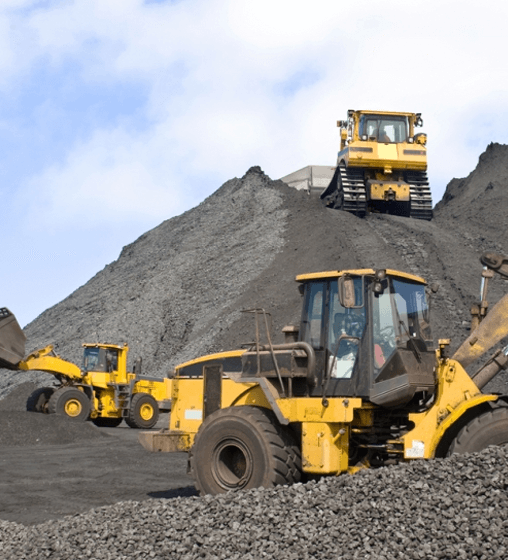
Industry Background: Why Mining Fleets Need Continuous Monitoring
Mining is one of the toughest operating environments in India. Dump trucks and support vehicles run on uneven roads, in dusty low-visibility zones, over long shifts and remote routes. In these conditions, a single lapse in driver attention can cause major accidents, equipment damage, and production delays. Manual supervision and random checks are no longer enough for high-risk fleets.
High-Risk Operating Conditions
Harsh terrain, blind spots, and long duty cycles make mining fleets vulnerable to fatigue-related errors and unsafe maneuvers. Traditional monitoring methods cannot deliver real-time intervention.
Rising Cost of Incidents
Without reliable event evidence, incident investigations become slow and subjective. This increases downtime, operational friction, and avoidable financial loss.
The Problem: Visibility, Safety, and Accountability Gaps
A large mining operator in central India was facing recurring safety and control issues across dump trucks and transport vehicles. Drivers worked extended shifts, overspeeding occurred in open mining zones, and phone use or distraction was difficult to detect. Management lacked in-cabin visibility, route-level tracking consistency, and objective evidence after incidents.
Driver Fatigue and Unsafe Behavior
The fleet had no dependable way to identify drowsiness, distraction, or mobile phone usage in real time. Unsafe driving often went unnoticed until after an incident.
Frequent Accidents and Disputed Incidents
Both minor and major accidents were impacting operations. With no multi-angle video proof, teams struggled to establish what happened and who was accountable.
No Unified Real-Time Fleet View
Supervisors lacked live route tracking, delay visibility, and centralized performance oversight. Decision-making relied on delayed or incomplete reports.
The Solution: AI Dashcams + GPS + Central Control
The operator deployed an integrated safety stack across the mining fleet: T98 (1+3) AI dashcams for heavy trucks, EH21 AI dashcams for smaller vehicles, and wired GPS trackers for continuous telematics visibility. This created a connected safety and operations layer from cab to control room.
Multi-Camera Coverage
Each truck was equipped with front, cabin, and side/rear views to capture road risk, driver behavior, and blind spots.
Driver Monitoring and In-Cabin Alerts
AI-based detection for fatigue, phone usage, and distraction was enabled so drivers received immediate corrective alerts.
Real-Time GPS Tracking and Route Monitoring
Managers gained live location, route adherence, and trip history for every vehicle operating across mining zones.
Event Recording and Protected Evidence
Harsh braking, sudden acceleration, and collision events were auto-recorded and preserved to prevent overwrite of critical clips.
Central Dashboard for Fleet Teams
Operations teams could view live streams, review alerts, and monitor driver/fleet performance from one control interface.
Operational Impact: What Changed on Ground
The rollout improved both safety behavior and control discipline across the fleet. Drivers became more compliant once real-time monitoring and coaching alerts were active. Supervisors could intervene faster and investigate incidents with confidence.
Safer Driving Patterns
Overspeeding and unsafe phone use reduced as continuous monitoring increased accountability.
Fewer Fatigue-Related Events
Drowsiness alerts enabled immediate corrective action, contributing to a noticeable drop in fatigue-linked incidents.
Reduced Accident Frequency
Within months, both minor and major incident rates trended downward due to combined visibility, warnings, and oversight.
Faster Dispute Resolution
Multi-angle incident footage reduced blame cycles and allowed quicker, evidence-based decisions.
Improved Fleet Utilization and Delay Control
Live tracking and route visibility helped managers identify delays, optimize movement, and reduce idle time.
Measurable Results in 6-9 Months
The deployment delivered practical improvements across safety, compliance, and operations. The operator reported lower accident rates, fewer driver violations, stronger process control, and reduced dispute overhead because incidents were backed by reliable video and telematics records.
Why This Use Case Works for Mining Operators
Mining safety programs are most effective when they combine three essentials: visibility, alerts, and control. Dashcams provide eyes on vehicle activity, GPS provides movement intelligence, and AI alerting helps prevent incidents before they escalate. This integrated model supports safer drivers, better manager decisions, and more stable mine operations.
Recommended Deployment Model
For large mining trucks, use T98 (1+3) or T98 (5-in-1) multi-camera setups. For medium/smaller support vehicles, use EH21 AI dashcams. Pair all vehicles with wired GPS trackers for centralized route and trip intelligence. Deploy in phases by site and vehicle criticality, then standardize SOPs for alert response and incident review.
Next Step
If your mine operations face repeated safety incidents, route blind spots, or investigation delays, request a deployment workshop. Pictor teams can map your current risk points, suggest hardware mix by vehicle type, and define a phased rollout aligned to safety and production KPIs.
GPS Tracking for Construction & Mining
Explore tailored solutions for your sector. View Construction & Mining industry solutions
Explore Related Solutions
Frequently Asked Questions
Want to Validate This Use Case on Your Fleet?
Share your vehicle count, operating geography, and KPI target so we can recommend an implementation path grounded in your operational reality.