
How to use this page for evaluation
- Confirm whether your operating pattern matches this scenario.
- Map the workflow changes needed for dispatch, safety, and reporting teams.
- Review related solutions and compare deployment models before purchase.
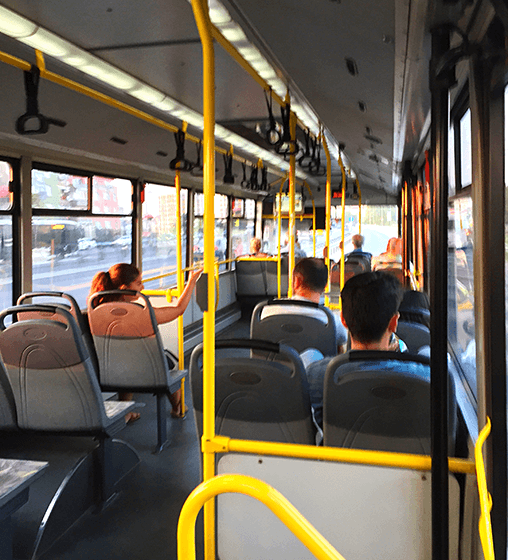
Industry Background: Taxi Business Runs on Trust
India's taxi and ride-sharing ecosystem handles millions of trips across app platforms, local operators, and corporate fleets. In this segment, customer retention and platform ratings depend heavily on safety perception and service reliability. Because driver and passenger are typically unknown to each other, every trip needs a transparent safety framework to build trust on both sides.
Dual-Side Risk Environment
Passengers seek personal safety assurance, while drivers seek protection from false complaints and unfair blame.
Why Monitoring is Now Essential
Post-trip feedback alone is reactive. Real-time visibility and evidence-backed control are required for modern mobility operations.
The Problem: Safety Concerns, Disputes, and Limited Visibility
A metro-city taxi operator managing 60+ cars was facing increasing complaints, service inconsistency, and operational stress. GPS-only monitoring did not provide enough context for behavior review or dispute resolution, and intervention often happened too late.
Passenger Safety Anxiety
Customers were concerned about route behavior, night travel risk, and driver conduct during trips.
False Complaints Against Drivers
Disputes and allegations were hard to verify without objective in-cabin evidence.
Driver Misbehavior and Service Quality Issues
Route elongation, unprofessional interaction, and occasional argument events harmed rider experience.
No In-Cabin Visibility for Operators
Fleet teams could not confidently assess what happened inside vehicles during complaints.
Frequent Trip Disputes
Fare disagreements and route misunderstandings consumed support bandwidth and delayed closure.
Weak Real-Time Control
Operators lacked complete live oversight to intervene quickly in risky or escalated situations.
The Solution: Taxi Safety Stack with AI Dashcam + GPS
The operator deployed EH21 (1+1) AI dashcams, H20P-C cabin AI units, and GPS tracking to create end-to-end trip transparency. The setup combined road and cabin visibility, behavior monitoring, and central command-layer control.
Dual Camera Trip Recording
Each taxi used front road view and cabin view to record driving context and passenger-driver interaction.
Driver Monitoring (DMS)
The system detected distraction, phone use, and unsafe behavior, then triggered immediate in-cabin alerts.
Live GPS Trip Tracking
Operators monitored location, route progression, and trip movement in real time.
Emergency Alert Capability
Risky events could trigger alerts and support rapid response workflows, including SOS-style escalation paths.
Central Dashboard Oversight
Fleet teams reviewed live streams, behavior alerts, and trip records from a unified monitoring interface.
Operational Impact After Implementation
Within months, the operator reported stronger service control, reduced complaint friction, and improved customer confidence. Monitoring changed behavior standards and made issue handling faster and more objective.
Improved Passenger Safety Confidence
Visible safety controls and recording improved rider trust, especially for night and high-risk segments.
Lower False-Complaint Exposure
Video evidence reduced unfair driver blame and supported balanced decision-making.
Better Driver Professionalism
Recorded operations encouraged polite conduct, route discipline, and consistent service quality.
Complete Trip Transparency
Every trip had traceable movement and interaction context for post-trip review.
Faster Conflict Resolution
Disputes could be closed quickly using footage instead of prolonged subjective back-and-forth.
Stronger Real-Time Incident Handling
Alert-driven workflows enabled quicker intervention and better support team response.
Measured Business Outcomes
In a short deployment window, the fleet saw reduced complaint volume, improved driver behavior consistency, fewer safety incidents, and stronger customer trust. Drivers gained fairer treatment through evidence-backed review, while operators improved quality governance at scale.
Where This Model Fits Best
This approach is highly relevant for app-based taxi networks, local cab operators, airport fleets, and corporate mobility transport where trust and safety directly influence demand and retention.
Recommended Setup
For standard taxi fleets, deploy EH21 (1+1) with front and cabin coverage. For enhanced cabin-focused safety, add H20P-C and integrate GPS tracking for all vehicles. Define SOPs for complaint triage, footage review, and emergency escalation.
Final Takeaway
Taxi operations scale on trust. Smart monitoring provides the transparency needed to protect passengers, protect drivers, and deliver consistently safer ride experiences.
GPS Tracking for Passenger & Transit
Explore tailored solutions for your sector. View Passenger & Transit industry solutions
Explore Related Solutions
Frequently Asked Questions
Want to Validate This Use Case on Your Fleet?
Share your vehicle count, operating geography, and KPI target so we can recommend an implementation path grounded in your operational reality.