The Future of Fuel Efficiency: How a Fuel Monitoring System Can Revolutionize Your Business
Fuel costs typically represent 20–30% of fleet operating expenses. In an era of volatile fuel prices and sustainability pressures, fuel monitoring systems have become essential for businesses seeking to reduce waste, prevent theft, and optimize consumption. These systems combine fuel level sensors, GPS trackers, and analytics software to deliver real-time visibility and actionable insights.
This guide explains what fuel monitoring systems are, how they work, the benefits they deliver, and how to implement one in your business. We address common questions and provide a roadmap for successful adoption.

Fuel monitoring systems revolutionize fleet efficiency
What Is a Fuel Monitoring System and How Does It Work?
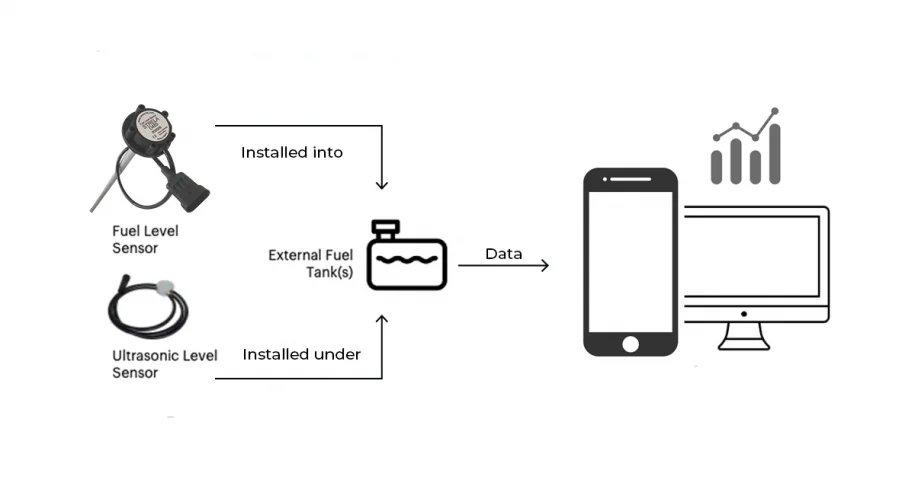
A fuel monitoring system consists of fuel level sensors installed in vehicle tanks, GPS trackers that receive sensor data, and a cloud-based platform that aggregates and analyzes information. Sensors measure fuel volume; data is transmitted via the tracker to the platform. The system detects unusual drops (theft or leak), logs refuel events, and correlates consumption with routes, idling, and driver behavior. Alerts notify fleet managers of anomalies.
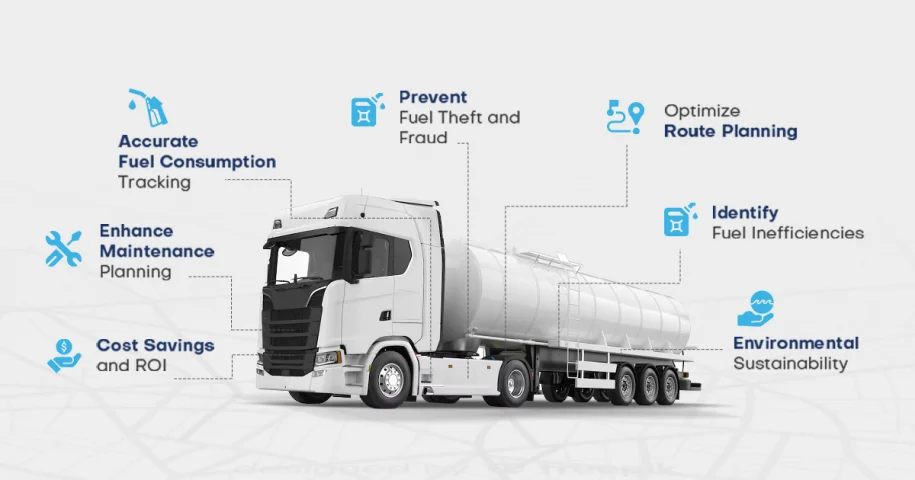
How fuel monitoring systems work
How to Implement a Fuel Monitoring System in Your Business
Implementation involves several phases. First, assess your fleet: vehicle count, tank types (metal, plastic, shape), and existing telematics. Select compatible sensors and trackers—ultrasonic sensors suit most tanks; wireless options work for trailers or remote assets. Professional installation ensures correct mounting, calibration, and wiring. Staff training is critical so dispatchers and managers know how to interpret alerts and reports.
Start with a pilot on 10–20% of your fleet to validate ROI. Track fuel savings, theft incidents prevented, and driver behavior changes over 2–3 months. Use pilot data to justify full rollout and fine-tune alert thresholds. Choose a vendor that offers installation support, integration with your existing ERP or fleet software, and reliable after-sales service. Pictor Telematics provides site surveys, installation, calibration, and 24/7 support across India. Our fuel monitoring solutions integrate with our GPS trackers and fleet management platform for a unified view of vehicle performance.
Steps to implement fuel monitoring
Conclusion
Fuel monitoring systems represent the future of fuel efficiency for fleet-based businesses. They reduce waste, prevent theft, and support sustainability—delivering measurable ROI. Evaluate your fleet, choose the right technology partner, and implement in phases for success. Contact Pictor Telematics for a free consultation.
Related Images
Ready to upgrade your fleet?
Get a consultation focused on your current operating model, deployment constraints, and target outcomes.
Request ConsultationRecommended next steps
- Review solution categories linked to this topic.
- Compare deployment options before finalizing specs.
- Validate rollout questions around installation, reporting, and support.
Akit Sagar
Fleet Telematics Content Team
Written for fleet operators evaluating GPS tracking, telematics, and safety technology in India. Reviewed by Mr. Rajesh Kumar (Founder Director & Chief Executive Officer).