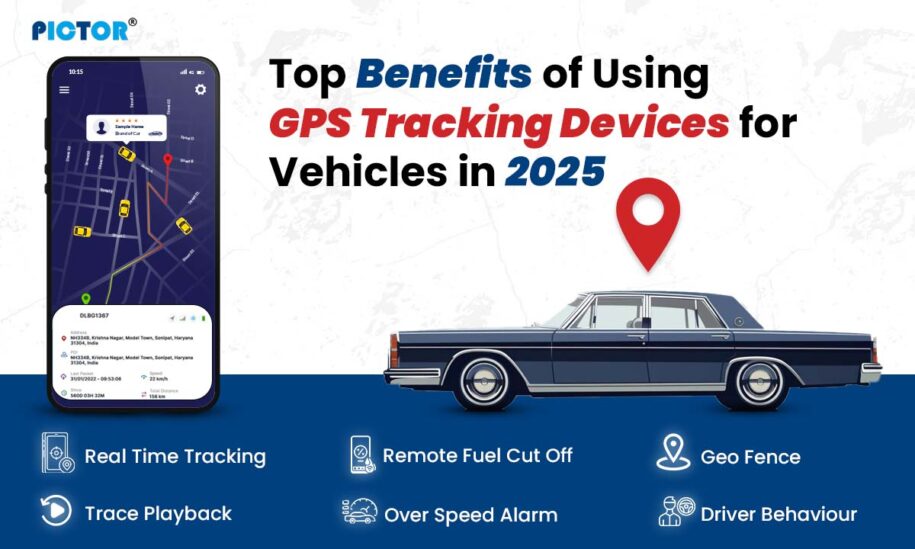
Incredible Benefits of Using GPS Tracking Devices for Vehicles in 2025
GPS tracking devices for vehicles have evolved from simple location tools to comprehensive telematics platforms that deliver measurable business outcomes. In 2025, businesses and vehicle owners leveraging GPS tracking report significant improvements in cost control, safety, customer satisfaction, and operational efficiency. This guide explores the eight most impactful benefits of GPS tracking for vehicles.
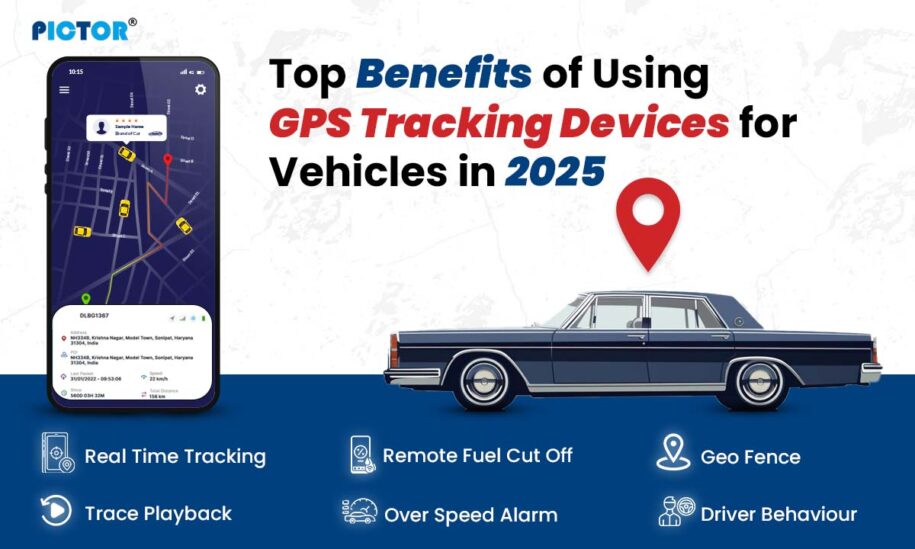
Eight incredible benefits of GPS tracking for vehicles
Real-Time Tracking and Monitoring of Vehicles
Real-time GPS tracking allows fleet managers and owners to see vehicle locations on a live map, monitor progress on routes, and respond quickly to delays or incidents. Dispatchers can optimize assignments; customers receive accurate ETAs. For personal vehicles, real-time tracking provides theft recovery and family safety.
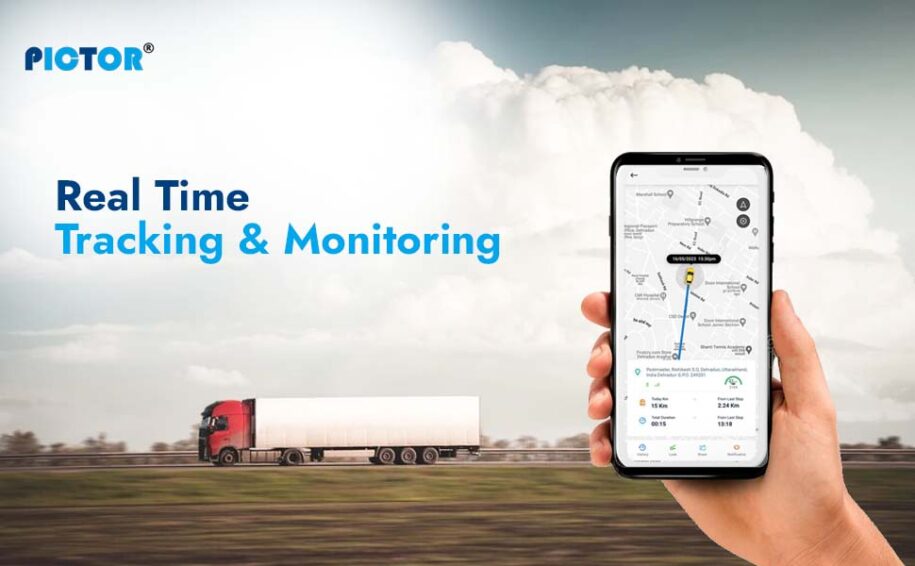
Real-time vehicle tracking improves visibility and response
Improved Vehicle Security and Theft Prevention
GPS devices deter theft through visibility and enable rapid recovery. Geofencing alerts notify when vehicles leave designated areas. Tamper and power-loss alerts indicate possible device removal. Many insurance providers offer discounts for GPS-equipped vehicles due to higher recovery rates and reduced fraud risk.

GPS enhances vehicle security and theft prevention
Enhanced Driver Safety and Behavior Monitoring
Driver behavior monitoring—harsh braking, acceleration, speeding, idling—helps identify risky habits and training needs. Safety scores and alerts reduce accident rates and insurance costs. Fleet managers can reward safe driving and address issues proactively.
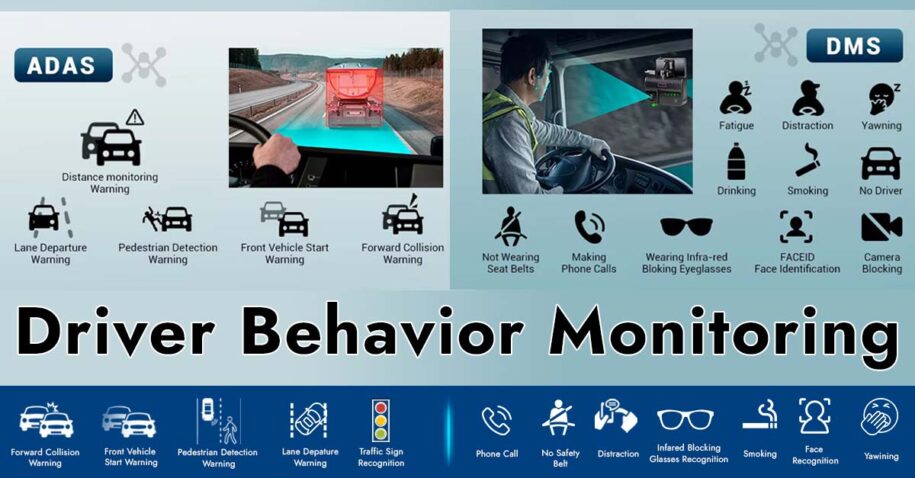
Driver behavior monitoring improves safety outcomes
Cost Savings Through Fuel Efficiency and Maintenance Optimization
GPS data enables route optimization, idling reduction, and identification of inefficient driving. Fuel sensors add consumption and theft visibility. Maintenance alerts based on mileage and engine data help schedule servicing before costly breakdowns. Fleets typically report 15–25% fuel savings and reduced maintenance costs.

GPS drives fuel and maintenance cost savings
Compliance with Regulations and Insurance Requirements
Many jurisdictions require electronic logging, speed limiters, or driver hour tracking. GPS platforms support compliance with automated reports and audit trails. Insurance providers often offer discounts for fleets with telematics, reducing overall cost while improving risk management.
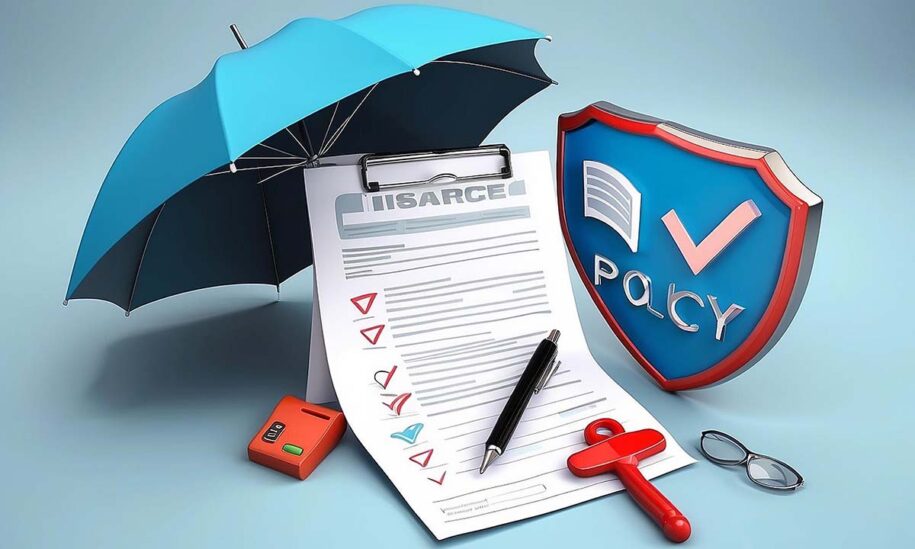
GPS supports regulatory and insurance compliance
Improved Customer Service and Satisfaction
Accurate ETAs and proactive notifications improve customer experience. Delivery and service businesses can share live tracking links, reducing "where is my order?" calls and building trust. Real-time visibility allows客服 to respond to customer inquiries with precise information rather than generic estimates. Proactive alerts—for example, notifying a customer that their delivery is 30 minutes away—create a premium experience and differentiate your service from competitors. Studies show that businesses offering shipment tracking report higher satisfaction scores and repeat business rates.

GPS tracking improves customer satisfaction and service quality
Integration with Other Business Systems and Data Analysis
Modern GPS platforms integrate with ERP, TMS, CRM, and accounting systems. Data flows into dashboards and reports for informed decision-making. Analytics identify trends, optimize routes, and support strategic planning.
Conclusion
The benefits of GPS tracking for vehicles in 2025 extend across security, efficiency, safety, compliance, and customer satisfaction. Whether you operate a fleet or protect a single vehicle, GPS telematics delivers measurable value. Contact Pictor Telematics to explore solutions for your business.
Related Images
Ready to upgrade your fleet?
Get a consultation focused on your current operating model, deployment constraints, and target outcomes.
Request ConsultationRecommended next steps
- Review solution categories linked to this topic.
- Compare deployment options before finalizing specs.
- Validate rollout questions around installation, reporting, and support.
Akit Sagar
Fleet Telematics Content Team
Written for fleet operators evaluating GPS tracking, telematics, and safety technology in India. Reviewed by Mr. Rajesh Kumar (Founder Director & Chief Executive Officer).