The Power Behind Electric Vehicles: Exploring the Role of Battery Management Systems
Electric vehicles (EVs) rely on lithium-ion batteries for energy storage. The Battery Management System (BMS) is the critical electronic system that monitors, controls, and protects these batteries. It ensures safe operation, maximizes performance and range, prolongs battery life, and enables accurate state-of-charge and state-of-health estimation. Without a robust BMS, an EV battery pack would be unsafe, inefficient, and short-lived.
This guide explores the importance of BMS in EVs, its key functions, advantages, challenges, and future trends. We also highlight how telematics integrates with BMS for fleet and commercial EV management.

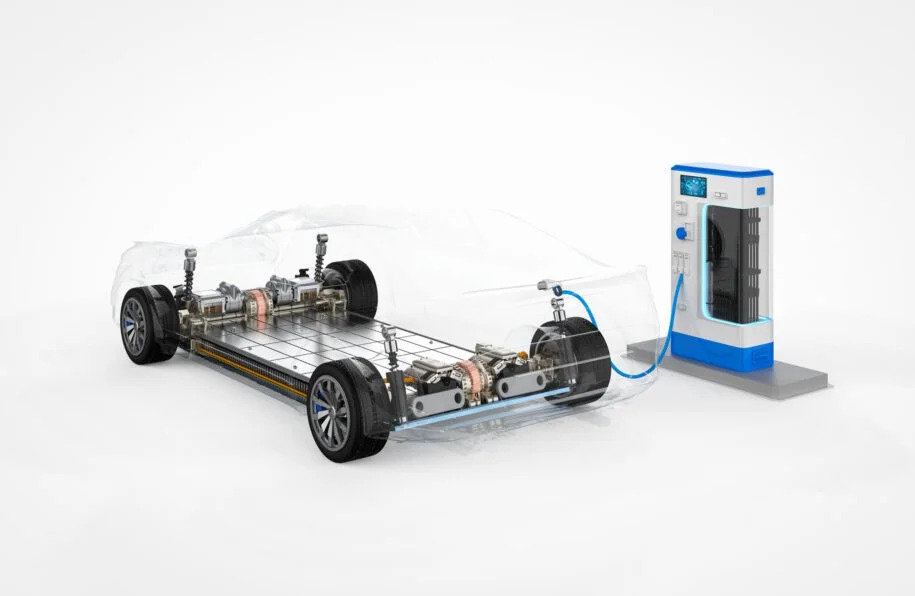
BMS is the brain of the EV battery pack
Importance of BMS in Electric Vehicles (EVs)
The BMS is responsible for safety—preventing thermal runaway, overcharging, and over-discharging. It optimizes performance by managing cell balancing and ensuring cells operate within optimal voltage and temperature ranges. It extends battery life by preventing stress and degradation. It provides accurate range estimation for drivers and fleet managers.
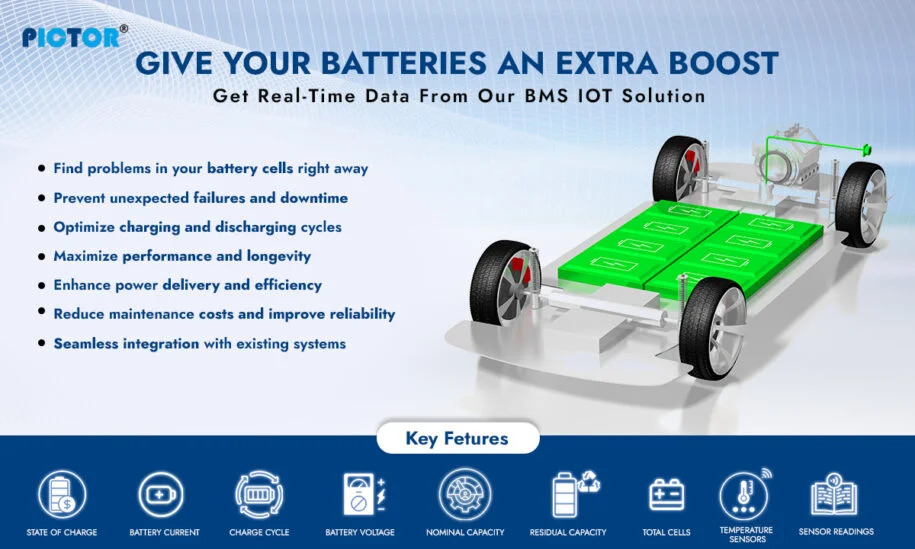
BMS ensures EV safety, performance, and longevity
Advantages of Battery Management Systems
BMS enables longer battery life through careful charge/discharge management. It improves safety by preventing dangerous conditions. It maximizes usable capacity and range. It supports predictive maintenance by tracking SOH. For fleets, BMS data integrated with telematics helps optimize charging schedules, route planning, and battery health across the fleet.
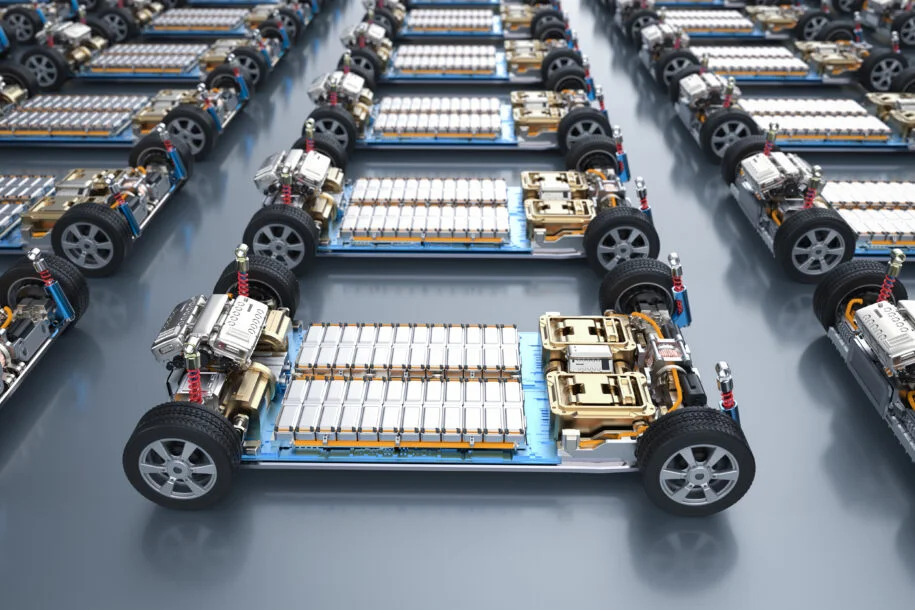
BMS advantages for EV operations
Challenges and Limitations of Battery Management Systems
BMS accuracy depends on sensor quality and calibration. SOC estimation can drift over time. Cell balancing adds cost and complexity. Extreme temperatures still stress batteries despite BMS protection. SOH estimation remains challenging. Despite these limitations, modern BMS technology has advanced significantly, and telematics can supplement BMS data for fleet-level insights.
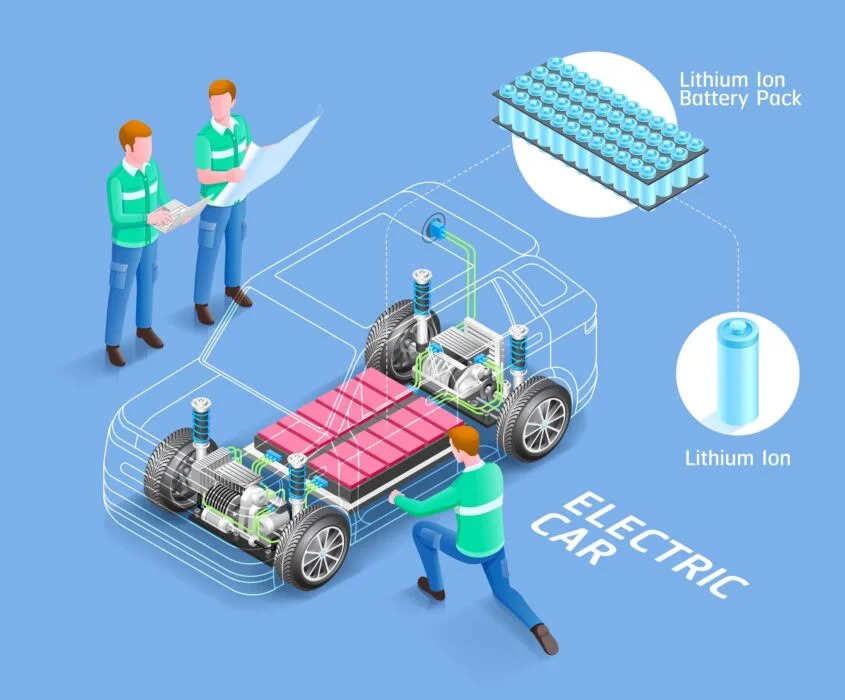
BMS challenges and how to address them
Future Trends in Battery Management Systems
Future BMS developments include AI and machine learning for more accurate SOC/SOH estimation, wireless BMS for reduced wiring and cost, cloud-connected BMS for fleet analytics, and second-life battery management for recycling and energy storage. Pictor Telematics is exploring integration of EV and BMS data into fleet management platforms for comprehensive EV fleet optimization.

Emerging trends in BMS technology
Conclusion
The Battery Management System is the unsung hero of electric vehicles—essential for safety, performance, and longevity. As EVs proliferate, BMS technology will continue to evolve. Fleet operators should consider telematics integration with BMS data for optimal EV fleet management. Contact Pictor Telematics for EV and telematics solutions.
Related Images
Ready to upgrade your fleet?
Get a consultation focused on your current operating model, deployment constraints, and target outcomes.
Request ConsultationRecommended next steps
- Review solution categories linked to this topic.
- Compare deployment options before finalizing specs.
- Validate rollout questions around installation, reporting, and support.
Akit Sagar
Fleet Telematics Content Team
Written for fleet operators evaluating GPS tracking, telematics, and safety technology in India. Reviewed by Mr. Rajesh Kumar (Founder Director & Chief Executive Officer).